Getting enough protein does not have to feel complicated. Many people assume they need fancy meal plans or expensive supplements, but this simple 30 grams of protein cheat sheet shows that everyday foods can help you reach your target without much stress.
That matters because protein supports muscle repair, satiety, blood sugar stability, and healthy aging. It can also make meals feel more satisfying, which helps many people avoid constant snacking.
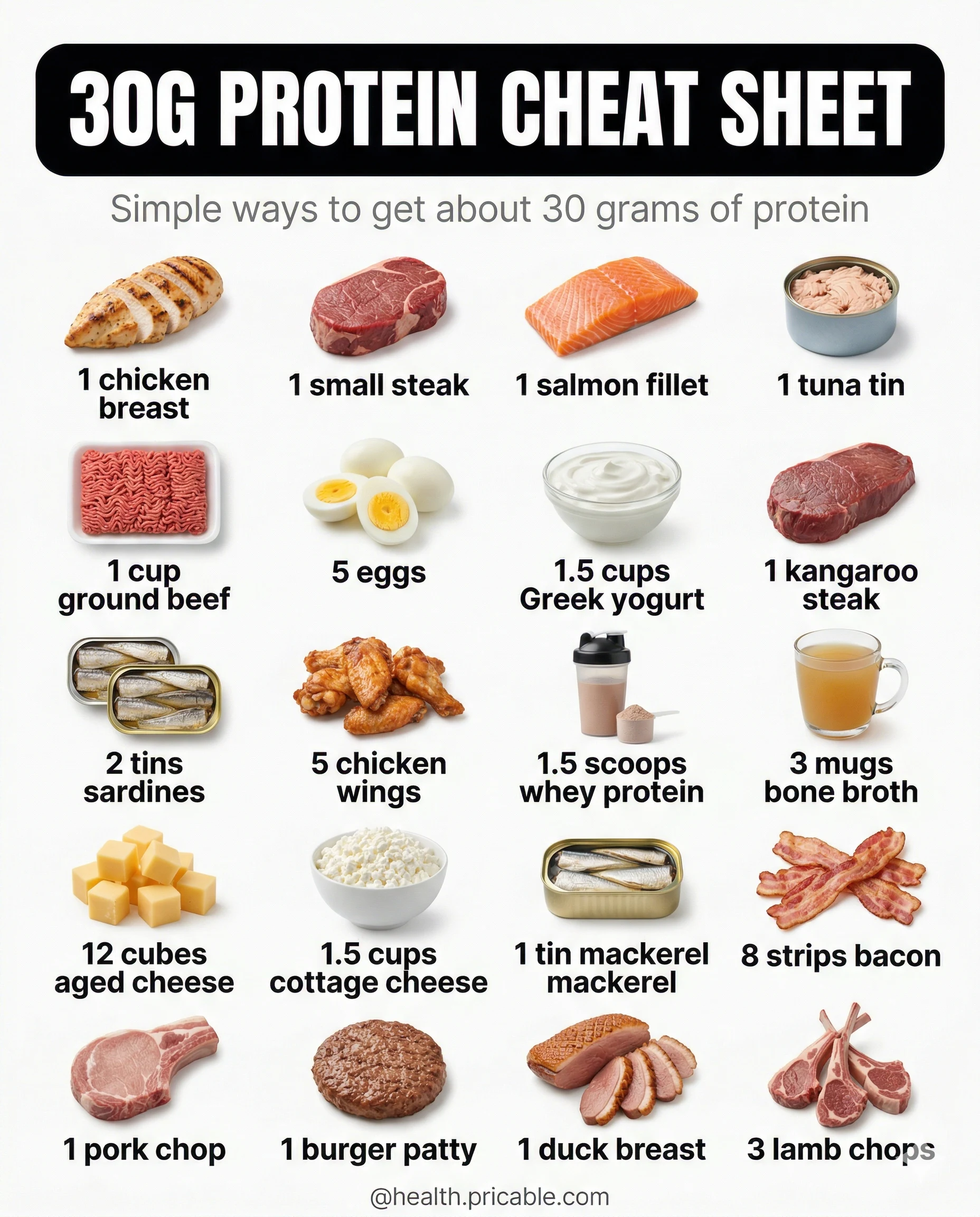
Below is a clear guide to simple ways to get about 30 grams of protein, using every item shown in the image.
High Protein Food List
1 chicken breast
A chicken breast is one of the most practical lean protein choices. It gives you high-quality protein with relatively little carbohydrate. It works well for muscle maintenance, post-workout meals, and filling lunches.
You can add it to salads, grain bowls, wraps, or serve it with vegetables and rice.
1 small steak
A small steak provides protein plus iron, zinc, and vitamin B12. These nutrients help support energy production, oxygen transport, and immune function.
It fits well in a balanced plate with potatoes, roasted vegetables, or a simple side salad.

1 salmon fillet
A salmon fillet gives you protein along with omega-3 fats. That combination makes it especially useful for heart health, inflammation balance, and meal satisfaction.
Try it baked, pan-seared, or flaked into rice bowls and salads.
1 tuna tin
A tuna tin is one of the easiest high-protein pantry staples. It is convenient, portable, and fast to use when you need a quick protein boost.
Mix it into sandwiches, lettuce wraps, pasta, or a simple tuna salad.
1 cup ground beef
Ground beef provides protein along with iron, zinc, and B vitamins. It can be a strong option for people who want a hearty, satisfying meal.
Use it in burgers, meatballs, stuffed peppers, or bowls with beans and vegetables.

5 eggs
Eggs are a complete protein source, meaning they provide all essential amino acids. They are also rich in choline, which supports brain and nerve health.
You can boil them, scramble them, or turn them into an omelet with vegetables.
1.5 cups Greek yogurt
Greek yogurt is a convenient protein-rich dairy food that also provides calcium. It works well for breakfast, snacks, or easy high-protein desserts.
Pair it with berries, chia seeds, oats, or nuts for a more balanced meal.
1 kangaroo steak
Kangaroo steak is a lean protein source that is often lower in fat than many other red meats. It can suit people looking for a dense protein option with a lighter fat profile.
Serve it with roasted vegetables or a fresh salad.

2 tins sardines
Sardines offer protein, omega-3 fats, calcium, and vitamin D. They are small, but nutritionally impressive.
You can eat them on toast, with crackers, or alongside tomato and cucumber salad.
5 chicken wings
Chicken wings can contribute about 30 grams of protein, although the exact amount depends on size and preparation. They are tasty and filling, but fried versions may also be higher in fat and calories.
They work best as an occasional protein option rather than an everyday staple.
1.5 scoops whey protein
Whey protein is one of the fastest and simplest ways to reach a protein goal. It is especially popular after exercise because it is easy to digest and quick to prepare.
Blend it with milk, water, fruit, or oats for a fast shake.
3 mugs bone broth
Bone broth can add some protein while also being warm and soothing. It is often used as a light option when someone wants something easy on the stomach.
Still, it is less balanced than a full meal, so it works better as an add-on than a main protein strategy.

12 cubes aged cheese
Aged cheese provides protein plus calcium, but it can also be high in sodium and saturated fat. That makes portion awareness important.
Use it in snack boxes, salads, or paired with fruit and whole-grain crackers.
1.5 cups cottage cheese
Cottage cheese is a classic high-protein dairy food. It is easy to serve sweet or savory, which makes it flexible for many eating styles.
Try it with fruit, herbs, cucumber, tomatoes, or on toast.
1 tin mackerel
Mackerel gives you protein and omega-3 fats, similar to other oily fish. It is a rich, satisfying option with strong nutritional value.
Add it to salads, rice bowls, or mash it onto toast with lemon and pepper.
8 strips bacon
Bacon can provide protein, but it is also high in sodium and often high in saturated fat. It is best treated as an occasional choice rather than a daily protein foundation.
It can be paired with eggs or added to salads in small amounts.
1 pork chop
A pork chop is a solid protein option that also provides B vitamins and minerals. Leaner cuts can fit well into a balanced eating plan.
Serve it with sweet potatoes, green beans, or a grain-based side.

1 burger patty
A burger patty can be a straightforward way to get protein, especially when made from quality meat. The nutrition profile depends on fat content and cooking method.
Pair it with vegetables, a whole-grain bun, or a salad for a more complete meal.
1 duck breast
Duck breast provides protein with a richer taste than many lean meats. It can be satisfying, though it is usually higher in fat than chicken breast.
Serve it with greens, roasted root vegetables, or citrus-based sides.
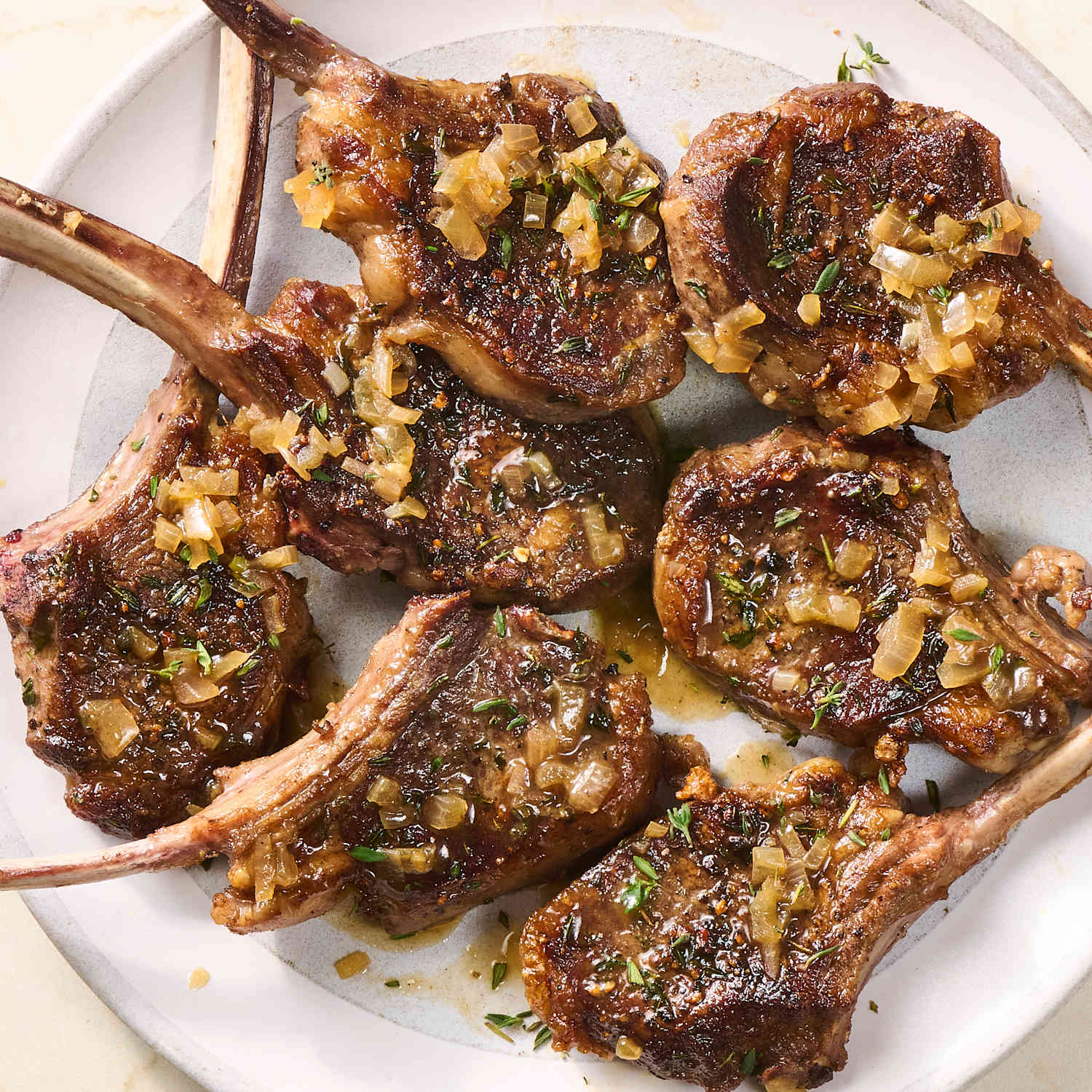
3 lamb chops
Lamb chops provide protein, iron, zinc, and vitamin B12. They are flavorful and nutrient-dense, but often higher in saturated fat.
They fit best in moderation as part of a varied diet.
How to Build a Daily Plate Using These Foods
A simple way to use this cheat sheet is to build one meal around a 30g protein anchor. Then add:
- A fiber source such as vegetables, beans, or fruit
- A smart carbohydrate such as rice, potatoes, oats, or whole grains
- Healthy fats from fish, nuts, seeds, or olive oil
This makes the meal more satisfying and more balanced than protein alone.
When You’ll Notice Changes
Many people notice better fullness and fewer cravings within a few days of eating more protein consistently. Support for muscle recovery and strength usually becomes more noticeable over several weeks, especially when paired with resistance training.
The key is consistency, not perfection.
Tips to Combine These Foods Effectively
Choose leaner proteins more often if you are watching saturated fat or calories. Rotate fish, dairy, eggs, and meats instead of relying on just one source. For convenience, keep staples like Greek yogurt, cottage cheese, tuna, sardines, and whey protein around for busy days.
Also remember that exact protein content can vary by brand, size, and cooking method, so think of this list as a practical guide rather than a strict rule.
Final Takeaway
Reaching 30 grams of protein per meal can be much easier than it looks. This list gives you quick, realistic options so you can build more satisfying meals without overthinking it. Focus on variety, keep an eye on sodium and saturated fat in processed meats, and choose the options that best fit your health goals.
Related source science: High-protein foods help support muscle protein synthesis, fullness, and healthy body composition, especially when protein is distributed across meals rather than eaten mostly at the end of the day.