When people feel heavy, stuffy, or irritated in the chest and throat, they often start looking for something simple before reaching for complicated wellness routines.
That is why mint leaf water stays popular. It is easy to make, naturally refreshing, and often used as a gentle home remedy when you want to feel lighter and breathe a little more comfortably. Most people do not expect much from a handful of mint leaves, but that cool aroma can make a plain cup of warm water feel surprisingly helpful.
At the same time, it is important to stay realistic. Mint leaf water is not a cure for lung disease, infection, asthma, or severe breathing problems. What it can do is support comfort, hydration, and that fresh open feeling many people enjoy when the airways feel irritated or the body feels overheated.
What Mint Leaf Water Is Good For
Mint has long been used in simple herbal drinks for its cooling, aromatic quality.
People often turn to mint leaf water when they want support for:
- A dry or irritated throat
- Mild congestion or stuffiness
- Feeling heavy after meals
- Warm-weather fatigue
- A light herbal drink that does not feel overpowering
The reason it feels so pleasant is not only the temperature of the drink. Mint naturally contains aromatic compounds that create a cooling sensation, which is why it is often linked with freshness and easier breathing.
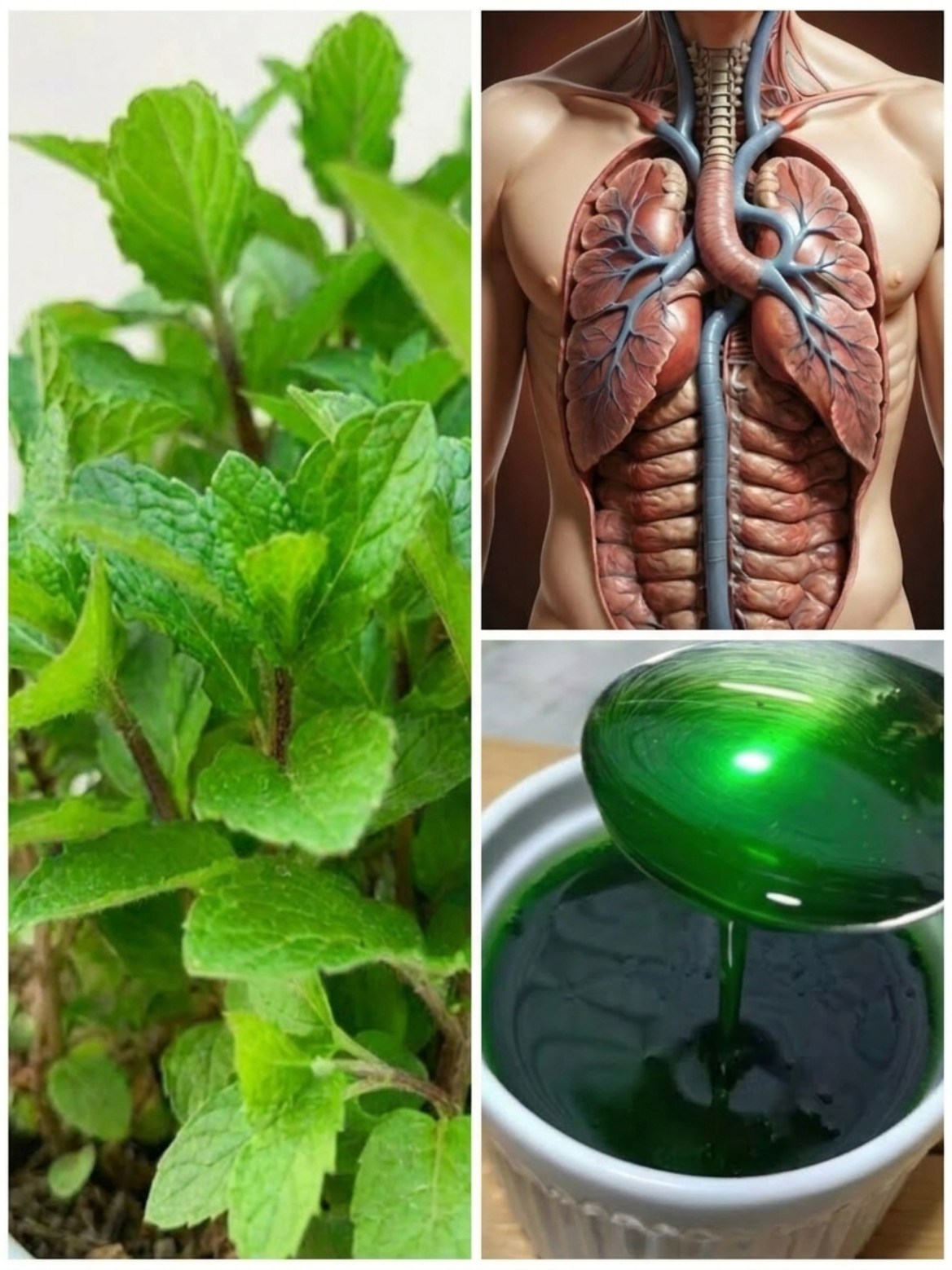
Ingredients
This remedy is beautifully simple.
What you need
- 1 handful fresh mint leaves
- 2 cups water
That is enough for a basic homemade version. Fresh mint is usually best because the aroma is brighter and cleaner.
How to Prepare Mint Leaf Water
This is one of the easiest herbal drinks to make at home.
Step 1: Wash the mint
Rinse the mint leaves well under clean water to remove dirt or residue.
Step 2: Lightly crush the leaves
Gently bruise or crush the leaves with your fingers or the back of a spoon. This helps release the mint’s natural oils and fragrance.
Step 3: Heat the water
Bring 2 cups of water to a gentle boil.
Step 4: Infuse
Turn off the heat and add the mint leaves. Cover and let them steep for about 7 to 10 minutes.
Step 5: Strain and serve
Strain into a cup and drink warm, or let it cool and sip it later as a refreshing herbal water.
Best Time to Drink It
Mint leaf water is flexible, which is one reason people love it.
In the morning
A warm cup in the morning can feel fresh and light, especially if you woke up feeling stuffy or sluggish.
After meals
Mint is often used after eating because it feels clean and settling, especially after heavy meals.
During warm afternoons
Cold or room-temperature mint water can be very refreshing when the weather is hot and the body feels drained.
Before bed
Some people enjoy it in the evening when they want a gentle, caffeine-free herbal drink. Others find mint too stimulating late at night, so it depends on personal comfort.
Why It Works
The appeal of mint leaf water comes from how it makes the body feel.
Cooling freshness
Mint has a naturally cooling effect that many people associate with easier breathing and throat comfort. Even the aroma alone can feel opening and clean.
Gentle hydration
Sometimes the body simply needs more fluids. Warm herbal water can help soothe the throat and keep you hydrated, which is especially useful when you feel dry or irritated.
A calming ritual
There is also something underrated about pausing for a warm herbal drink. The steam, scent, and warmth can help you slow down, relax the body, and feel a little less tense.
Digestive support too
Mint is also popular because it does not only feel refreshing in the chest and throat. Many people also enjoy it for that lighter, less heavy feeling after meals.
Who May Benefit Most
Mint leaf water may be especially appealing for people who:
- Want a simple herbal remedy for throat comfort
- Prefer light, fresh-tasting drinks
- Feel mildly stuffy during weather changes
- Want a basic kitchen remedy without a long ingredient list
- Enjoy soothing herbal drinks after meals
It can be a nice option for anyone who wants something gentle, easy, and practical.
Quick Relief Timeline
This kind of remedy usually works through comfort rather than intensity.
Some people notice the fresh, cooling feeling almost right away, especially from the steam and aroma. A soothing effect on the throat or a lighter feeling may show up within 15 to 30 minutes.
That said, if symptoms are caused by infection, allergy, asthma, or another medical issue, mint water may only offer temporary comfort rather than solving the real cause.
Simple Safety Notes
Mint leaf water is gentle for many people, but a few precautions still matter.
If you tend to get acid reflux, mint may not always feel comfortable because it can worsen symptoms in some people.
Stop using it if it causes throat irritation, stomach discomfort, or any unusual reaction.
And most importantly, do not rely on mint water alone if you have:
- Wheezing
- Shortness of breath
- Chest pain
- High fever
- Ongoing cough that does not improve
Those symptoms need proper medical attention.
Easy Ways to Use It More Often
Mint leaf water fits easily into daily life.
You can drink it warm when your throat feels rough, sip it chilled on hot days, or use it as a lighter alternative to sugary drinks. Some people also keep a small jar of infused mint water in the fridge so it is ready whenever they want something fresh and simple.
Final Takeaway
Mint leaf water is one of those basic remedies that stays useful because it feels clean, gentle, and comforting. It may help soothe the throat, support hydration, and give that fresh cooling sensation people often want when they feel stuffy or overheated.
It is not a magic fix, but it is a lovely everyday herbal drink that can make you feel a little lighter, calmer, and more refreshed.
Related Source Science
Mint is widely appreciated for its aromatic cooling compounds, which help explain why it is commonly used in soothing teas, fresh herbal waters, and comfort remedies for the throat and digestion. The biggest benefits are usually simple ones: hydration, freshness, and a calming ritual that supports overall comfort.