At first glance, corn silk looks like the part most people throw away.
But in many traditional home remedies, corn silk tea has been brewed for generations as a gentle herbal drink for urinary comfort, fluid balance, and soothing support. That soft, thread-like part of corn may not look impressive, yet it has stayed popular because it is simple, affordable, and easy to prepare.
Most people never pay attention to it because it seems like kitchen waste. That is exactly why this remedy keeps surprising people.
What Corn Silk Does Inside the Body
Corn silk is the fine fiber that grows under the husk of fresh corn. In traditional herbal use, it is often associated with:
- Mild urinary comfort
- Gentle diuretic support
- A soothing tea for moments of heaviness or puffiness
- Everyday hydration support
The reason people like it is not because it is harsh or dramatic. It is the opposite. Corn silk tea is usually seen as a light, calming herbal drink, which is why it has remained popular in many households.
Some people use it when they feel bloated or heavy. Others drink it as part of a simple herbal wellness routine when they want something milder than strong herbal formulas.
Simple Preparation Method
This remedy is one of the easiest herbal teas to make at home.
Ingredients
- Silk from 1 to 2 fresh ears of corn, cleaned well
- Or 1 to 2 tablespoons dried corn silk
- 2 to 3 cups water
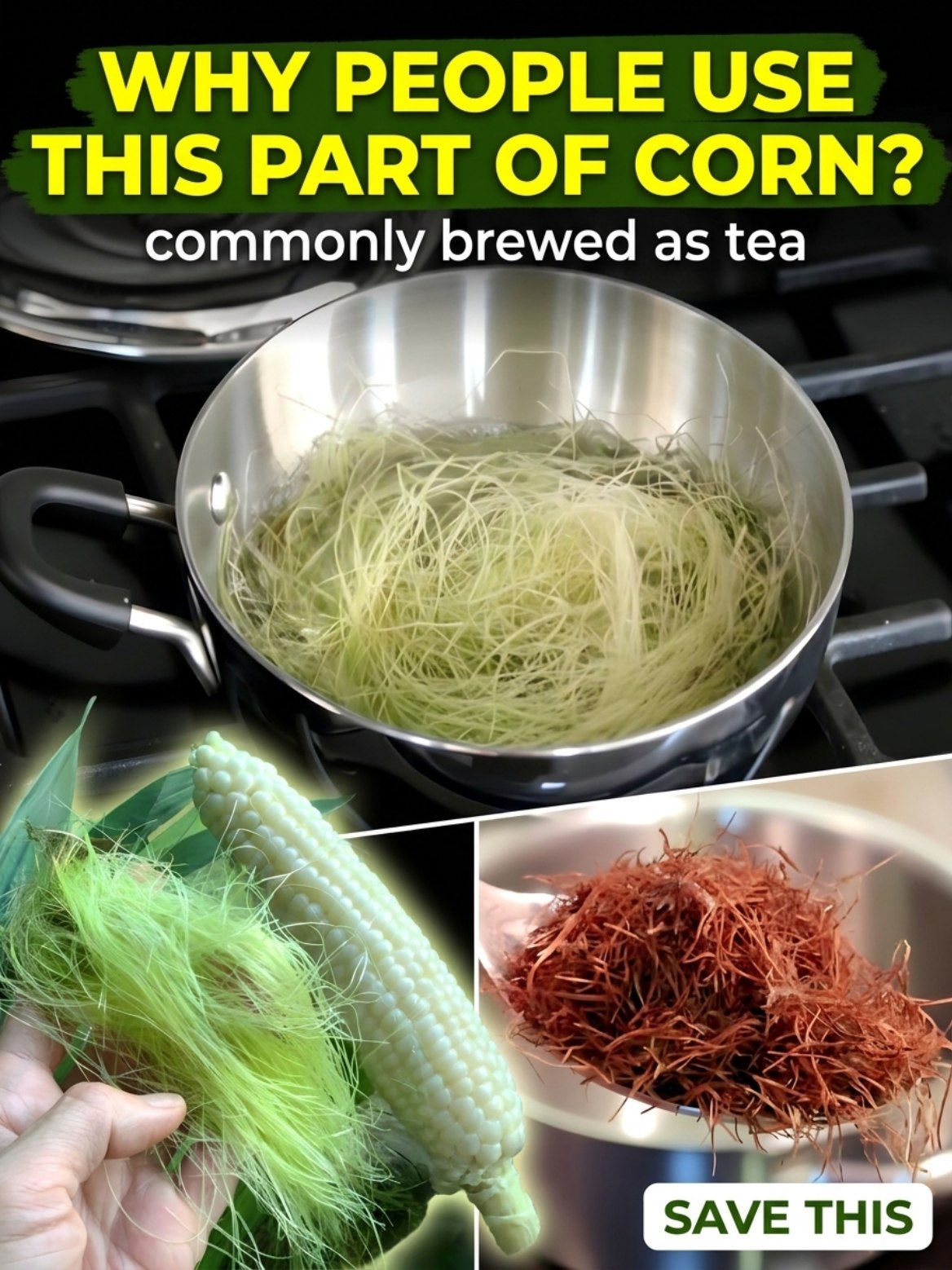
Fresh corn silk is usually pale green or yellow. Dried corn silk becomes darker and more golden-brown.
How to Prepare
Start by rinsing the corn silk well to remove dust or debris.
Place the fresh or dried corn silk into a small pot with 2 to 3 cups of water.
Bring it to a gentle boil, then reduce the heat and let it simmer for about 10 to 15 minutes.
Turn off the heat and let it steep for another 5 to 10 minutes.
Strain and drink warm.
The flavor is usually mild, soft, and slightly sweet-grassy. If you want a lighter tea, use less corn silk or a shorter simmering time.
When to Drink It
Corn silk tea is usually taken in small, moderate amounts.
Best times to use it
Many people prefer to drink it:
In the morning
A warm cup in the morning can feel light and refreshing, especially if you want a caffeine-free herbal tea.
During the day
It is often used when the body feels puffy, heavy, or in need of a gentler hydration routine.
After salty meals
Some people enjoy it after meals that leave them feeling swollen or overly full.
Because this tea is traditionally linked with urinary support, it is usually better earlier in the day than late at night.
Why People Use This Part of Corn
The curiosity around corn silk tea comes from how such a simple plant part gained such a strong traditional reputation.
It is traditionally used for urinary comfort
Corn silk tea is commonly brewed when people want a soothing herbal drink connected with the bladder and urinary tract.
It is seen as a gentle water-balance tea
Many people choose it when they feel puffy or slightly bloated, especially after hot weather, salty foods, or long days of sitting.
It feels mild and approachable
Unlike very bitter or spicy remedies, corn silk tea is usually light and easy to drink. That makes it appealing for people who want something simple and not overwhelming.
It reduces waste
Another reason this remedy stayed popular is practical. Instead of discarding corn silk, people turned it into tea.
Why It Works
Corn silk has long been valued in traditional herbal practice because it is associated with soothing, cooling, and flushing support.
In practical terms, that means people often use it when they want:
- A mild herbal tea for urinary ease
- Support for everyday fluid balance
- A simple drink that feels less heavy than richer remedies
Its popularity likely comes from this gentle profile. It does not try to feel intense. It fits the kind of remedy people return to because it is easy to prepare and easy to include in everyday life.
That said, it is important to keep expectations realistic. Corn silk tea is not a cure for urinary tract infection, kidney disease, or severe swelling. It is best seen as a traditional supportive tea, not a replacement for medical treatment.
Who May Benefit Most
Corn silk tea may appeal most to people who:
- Enjoy simple herbal remedies
- Want a gentle urinary comfort tea
- Feel puffy after salty foods
- Prefer light, plant-based wellness drinks
- Want a practical way to use more of the whole corn plant
It may also be a good fit for people who do not enjoy strong bitter herbs.
Safety and Who Should Avoid It
This part matters.
Even gentle herbal teas are not for everyone.
Use caution if you:
- Take diuretics or blood pressure medication
- Have kidney disease or heart disease
- Are pregnant or breastfeeding
- Have ongoing urinary pain, burning, fever, or blood in the urine
Those symptoms should not be treated with home tea alone.
Also, make sure the corn silk is clean and from safe, food-quality corn. If it has been exposed to pesticides or is not suitable for consumption, it should not be used for tea.
When You May Notice a Difference
Corn silk tea is not a dramatic remedy.
Some people may notice a lighter, more comfortable feeling within the same day, especially if the issue is mild puffiness or a sense of heaviness.
For others, the benefit is more about the routine itself. A warm, gentle herbal tea can simply feel supportive over time. The most realistic expectation is subtle comfort, not a major overnight transformation.
Final Takeaway
Corn silk tea is a traditional remedy made from one of the most overlooked parts of corn. People often brew it as a gentle tea for urinary comfort, water balance, and everyday herbal support.
Its appeal is simple: it is mild, practical, and easy to make.
Sometimes the most useful remedies are not the flashy ones. They are the quiet kitchen traditions that turn an overlooked ingredient into something soothing and surprisingly helpful.
Related Source Science
Corn silk contains plant compounds that have made it a long-standing subject of traditional herbal use, especially in remedies connected with urinary comfort and fluid balance. While modern interest continues, the most sensible approach is still moderate use, clean preparation, and realistic expectations.