Dark-colored foods often stand out for a reason. Their deep purple, black, or near-black pigments usually signal a rich mix of phytonutrients, especially antioxidant compounds such as anthocyanins, polyphenols, and other plant chemicals that help protect the plant itself and add nutritional value to your plate.
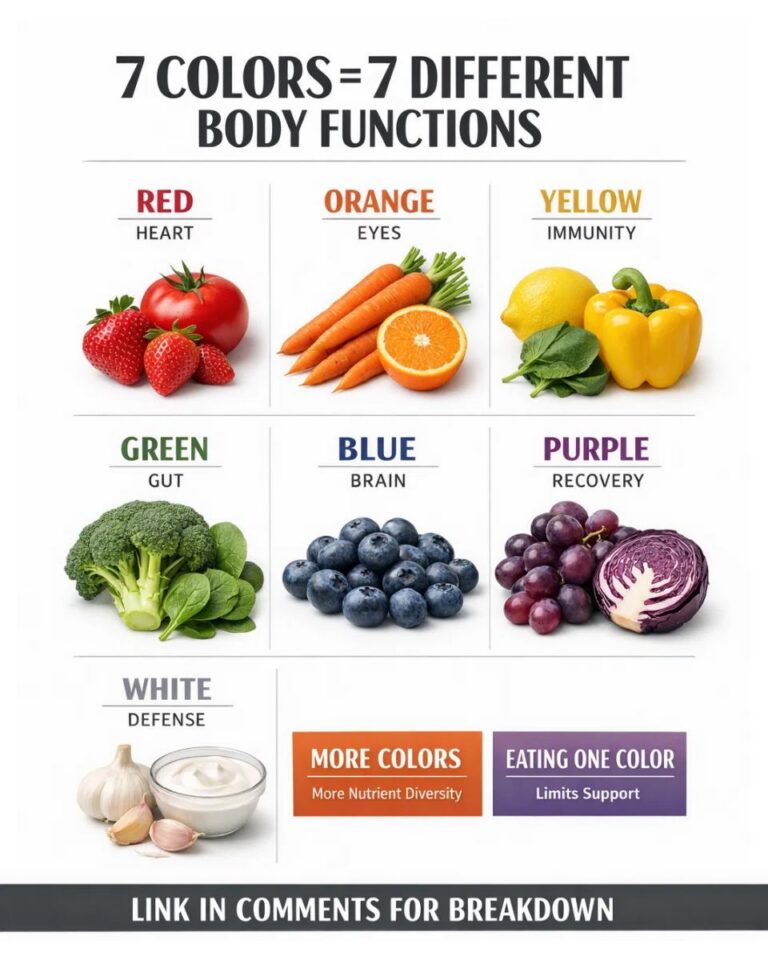
That does not mean black foods are magic, and it does not mean you need to chase only one color. But adding more naturally dark plant foods can be a smart way to build a more colorful, antioxidant-rich eating pattern.
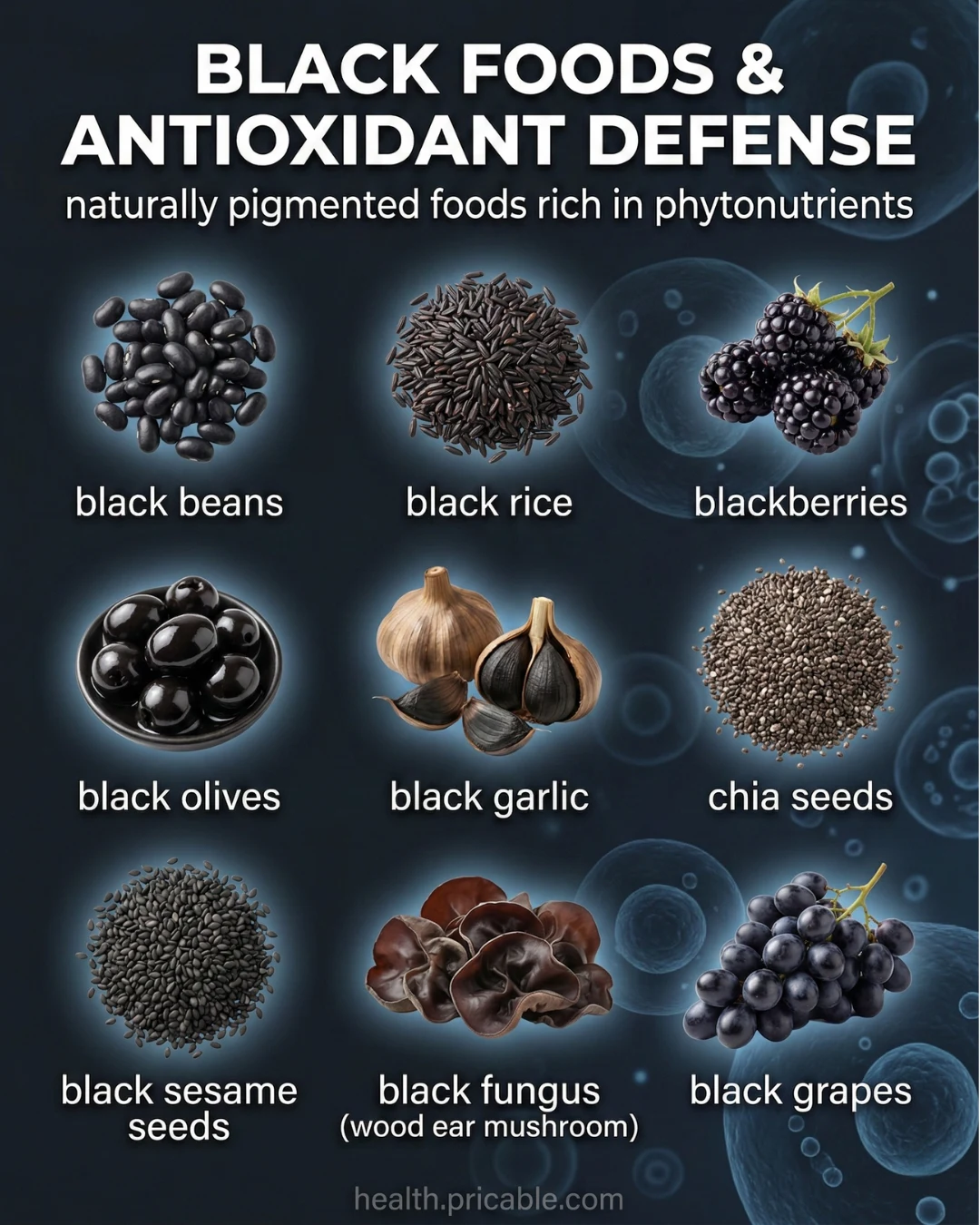
1. Black Beans
Black beans are one of the easiest dark foods to use regularly. They provide fiber, plant protein, iron, and a rich dark pigment that fits well into a more antioxidant-friendly meal pattern.
How to eat them:
Use them in burrito bowls, soups, chili, taco salads, or mixed with rice and avocado.
2. Black Rice
Black rice is often called forbidden rice, and it is one of the most interesting dark grains because of its deep pigment. It gives a meal more texture, color, and nutritional character than plain white rice.
How to eat it:
Serve it with salmon, tofu, mushrooms, roasted vegetables, or sesame-based dressings.
3. Blackberries
Blackberries are one of the strongest fruit choices when you want dark plant color plus fiber. They are juicy, slightly tart, and easy to add to breakfast or snacks.
How to eat them:
Add to yogurt, oats, cottage cheese, chia pudding, or a simple fruit bowl.
4. Black Olives
Black olives bring dark plant compounds along with healthy fats and a savory flavor. They may not be the highest-antioxidant food on the list, but they are a practical dark food that adds variety.
How to eat them:
Use in salads, Mediterranean bowls, pasta dishes, wraps, or with tomatoes and cucumber.
5. Black Garlic
Black garlic is fermented garlic with a softer texture and a sweeter, deeper flavor than regular garlic. It is popular in savory cooking because it adds richness without the sharpness of raw garlic.
How to eat it:
Blend into dressings, sauces, soups, noodles, grain bowls, or spread lightly on toast.
6. Chia Seeds
Chia seeds are tiny, but they add a lot: fiber, healthy fats, and a naturally dark color. They are one of the easiest dark foods to use daily.
How to eat them:
Stir into oats, smoothies, yogurt, overnight oats, or make chia pudding.
7. Black Sesame Seeds
Black sesame seeds are especially common in Asian desserts and savory dishes. They bring minerals, healthy fats, and a rich roasted flavor.
How to eat them:
Sprinkle over rice bowls, noodles, yogurt, salads, roasted vegetables, or blend into sauces and pastes.
8. Black Fungus (Wood Ear Mushroom)
Black fungus is known more for texture than flavor, but it still deserves a place here. It adds variety, chewiness, and dark color to soups and stir-fries.
How to eat it:
Use in stir-fries, noodle dishes, hot-and-sour soups, or mixed vegetable dishes.
9. Black Grapes
Black grapes are juicy, sweet, and rich in dark pigments. They are one of the easiest antioxidant-rich fruits to eat whole and fresh.
How to eat them:
Enjoy as a snack, frozen for a refreshing treat, or paired with yogurt, nuts, or cheese.
10. Blueberries
Even though they are called blue, blueberries belong on this list because their deep blue-purple skin is rich in antioxidant pigments. They are one of the most popular dark fruits for a reason.
How to eat them:
Add to oats, smoothies, yogurt, cottage cheese, or eat them plain with nuts.
11. Purple Cabbage
Purple cabbage is an affordable and very practical dark-colored vegetable. It adds crunch, fiber, and deep purple pigment to meals.
How to eat it:
Shred into salads, slaws, grain bowls, wraps, tacos, or lightly sauté it as a side dish.
12. Purple Sweet Potato
Purple sweet potatoes are naturally rich in dark purple pigments and make a beautiful, nutrient-dense carb source. They bring both color and a more interesting nutrition profile than plain refined starches.
How to eat them:
Roast, steam, mash, or cube them into bowls with beans, fish, tofu, or greens.
13. Eggplant
Eggplant has a dark purple skin that adds to the antioxidant value of the food, especially when the skin is eaten. It is soft, satisfying, and works well in many cuisines.
How to eat it:
Roast, grill, bake, or cook it into curries, tomato dishes, pasta sauces, or Mediterranean-style plates.
14. Black Plums
Black or very dark purple plums are another helpful fruit to include in a list like this. They are sweet-tart, juicy, and bring dark fruit pigments along with fiber.
How to eat them:
Eat fresh, slice into yogurt bowls, or pair with cottage cheese, nuts, or oats.
15. Black Currants
Black currants are less common in some countries, but they are one of the standout dark berries for strong color and concentrated flavor. They are sharp, rich, and very useful when available fresh or frozen.
How to eat them:
Use in smoothies, yogurt bowls, fruit compotes, or mixed with oats and chia.
How to Build a Smarter Dark-Antioxidant Plate
The real goal is not to eat only black foods. It is to use them as part of a more colorful and plant-rich pattern.
A simple way to do that:
- Add dark berries to breakfast
- Use black beans or black rice in lunch bowls
- Add black olives, black sesame, or purple cabbage to savory meals
- Rotate in eggplant, purple sweet potato, or black grapes through the week
This works better than chasing one “superfood” because it gives you variety.
Best Ways to Combine These Foods
Dark antioxidant foods work especially well when paired with other whole foods:
- Blackberries + Greek yogurt + chia seeds
- Black beans + black rice + avocado
- Purple cabbage + tofu + sesame
- Blueberries + oats + walnuts
- Eggplant + tomatoes + olive oil
- Black grapes + cottage cheese or nuts
These combinations help turn antioxidant foods into real meals and snacks, not just pretty ingredients.
Final Takeaway
If you want more antioxidant-rich variety, these 15 dark antioxidant foods are a great place to start: black beans, black rice, blackberries, black olives, black garlic, chia seeds, black sesame seeds, black fungus, black grapes, blueberries, purple cabbage, purple sweet potato, eggplant, black plums, and black currants.
The biggest benefit comes from eating them regularly as part of a diverse diet, not from expecting one food to do everything. Dark foods are best thought of as one powerful color family inside a balanced, plant-rich way of eating.