Many people don’t realize the incredible power residing right in their kitchen pantry. We often think of food as fuel or comfort, but certain ingredients, especially common spices, offer much more. They can play a supportive role in optimizing your body’s vital functions, particularly blood circulation.
Good blood circulation is fundamental to overall health. It ensures that oxygen and essential nutrients reach every cell while efficiently removing waste products. When your circulation is optimized, you might experience more energy, better focus, and improved organ function.
This article dives into several everyday spices known for their potential to help support healthy blood flow. We’ll explore their unique compounds, benefits, and practical ways to incorporate them into your daily meals. It’s about making small, flavorful changes that contribute to your well-being.
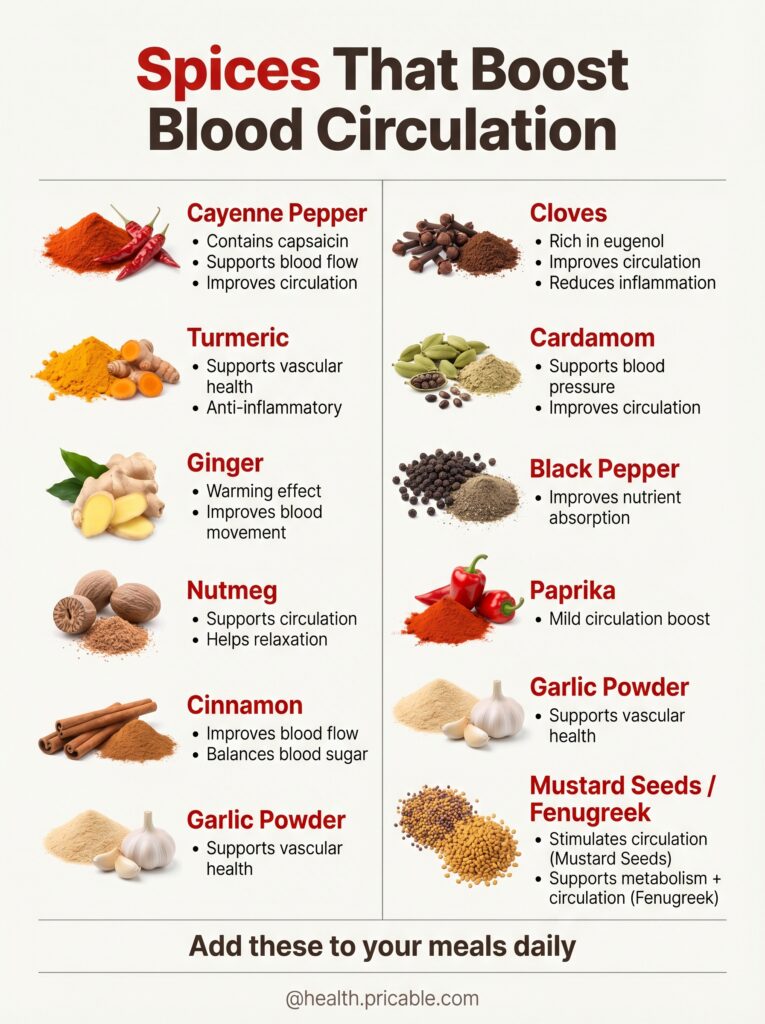 Unpacking the potent benefits of common kitchen spices for your circulatory health.
The Powerhouse Pantry: Spices for Enhanced Blood Flow
What makes these common kitchen staples so special? Many spices contain bioactive compounds that have been studied for their anti-inflammatory, antioxidant, and vasodilating properties. These actions can help support the flexibility of blood vessels and promote smoother blood flow.
Incorporating a variety of these spices into your cooking is a simple yet effective strategy to complement a balanced diet and an active lifestyle. Let’s explore some of the top contenders.
Cayenne Pepper: The Fiery Flow Booster
Cayenne pepper gets its kick from a compound called capsaicin. This natural component is well-regarded for its potential to support healthy circulation. It’s thought to help strengthen blood vessels and may contribute to maintaining healthy blood pressure levels already within a normal range.
- Nutritional Highlight: Capsaicin.
- Benefits: Supports blood vessel health, contributes to improved blood flow.
- How to Use: A pinch in chili, soups, stews, or even a morning lemon water for a metabolism boost.
Turmeric: Golden Spice for Heart Health
This vibrant yellow spice is a staple in many cuisines and for good reason. Turmeric contains curcumin, a powerful compound known for its significant anti-inflammatory and antioxidant properties. These qualities are valuable for overall heart health and can help support proper blood flow.
- Nutritional Highlight: Curcumin.
- Benefits: Anti-inflammatory support, antioxidant action, helps contribute to healthy blood flow.
- How to Use: Add to curries, smoothies, scrambled eggs, or make a soothing ‘golden milk’ latte.
Ginger: Warming Up Your Circulation
Known for its distinctive spicy-sweet flavor, ginger is another excellent spice for circulatory support. It contains gingerol, which has anti-inflammatory properties and may help relax blood vessels, thus contributing to improved circulation. Ginger may also play a role in helping to prevent certain blood clots.
- Nutritional Highlight: Gingerol.
- Benefits: Supports blood vessel relaxation, anti-inflammatory, helps contribute to healthy blood flow.
- How to Use: Freshly grated in teas, stir-fries, marinades, or baked goods.
Cinnamon: Sweet Support for Blood Sugar & Flow
Beyond its comforting aroma, cinnamon is recognized for its potential role in blood sugar management and circulation. It’s thought to help improve blood flow by supporting blood vessel function and may offer additional anti-inflammatory benefits.
- Nutritional Highlight: Cinnamaldehyde.
- Benefits: Supports healthy blood sugar levels, may contribute to improved circulation.
- How to Use: Sprinkle on oatmeal, coffee, yogurt, or use in baking.
Garlic: Nature’s Vascular Widener
Garlic is more than just a flavor enhancer; it’s a potent health ally. It contains allicin, a sulfur compound that has been linked to several cardiovascular benefits. Allicin may help widen blood vessels, which in turn can contribute to maintaining healthy blood pressure levels.
- Nutritional Highlight: Allicin.
- Benefits: Supports blood vessel dilation, contributes to healthy blood pressure.
- How to Use: Fresh or powdered in almost any savory dish, dressings, or roasted vegetables.
Black Pepper: The Absorption Enhancer
Often paired with turmeric, black pepper contains piperine, a compound that not only gives it its pungent flavor but also helps enhance the absorption of other nutrients. Its antioxidant and anti-inflammatory properties further support overall health, indirectly benefiting circulation by promoting a healthier internal environment.
- Nutritional Highlight: Piperine.
- Benefits: Enhances nutrient absorption, antioxidant, anti-inflammatory.
- How to Use: A dash on nearly any dish, often paired with turmeric for synergy.
Cloves & Paprika: Subtle Yet Potent Allies
Don’t overlook these aromatic additions. Cloves are packed with antioxidants and may help improve blood flow. Paprika, especially the hot variety, contains capsaicin, similar to cayenne, offering comparable circulatory benefits.
- Cloves: Add to mulled drinks, stews, or baked apples.
- Paprika: Use in rubs, goulash, roasted chicken, or as a colorful garnish.
Taking the Next Step: Understanding Your Body’s Needs
While incorporating these spices into your diet is a flavorful step toward supporting your well-being, understanding your body’s unique responses is crucial. Regular monitoring of key health markers, sometimes through routine blood tests like HbA1c or fasting glucose, can provide valuable insights into your circulatory health and overall metabolic function. These lab markers offer a snapshot of what’s happening internally.
For those keen on deeper tracking of their body’s reactions to food and lifestyle, exploring options like CGM sensors (Continuous Glucose Monitors) can offer real-time data, though these often require a prescription. If you have specific health concerns, a doctor referral or a specialized dietitian consultation for personalized medical nutrition therapy can be highly beneficial. It’s always worth checking if your current employer health plans or private coverage include such services, as well as understanding country-specific rules regarding insurance and access to care.
Smart Ways to Incorporate These Spices
Making these spices a regular part of your diet doesn’t have to be complicated. Here are a few practical ideas:
- Morning Boost: Add a pinch of cinnamon to your coffee or oatmeal.
- Smoothie Power-Up: A dash of turmeric and ginger in your fruit smoothies.
- Savory Staples: Use garlic, black pepper, and paprika in nearly all your savory cooking – roasted vegetables, grilled meats, soups, and stews.
- Homemade Dressings: Infuse olive oil with crushed garlic and a pinch of cayenne.
- Wellness Teas: Brew fresh ginger tea or a ‘golden milk’ with turmeric and cinnamon.
Adding a range of these spices to your meals can be a simple, enjoyable way to support your body’s natural functions. Start experimenting with flavors and discover how these everyday ingredients can contribute to your vitality.
[Read next: Healthy Eating Habits]
[Source: Harvard T.H. Chan School of Public Health]
This is general information, not medical advice.