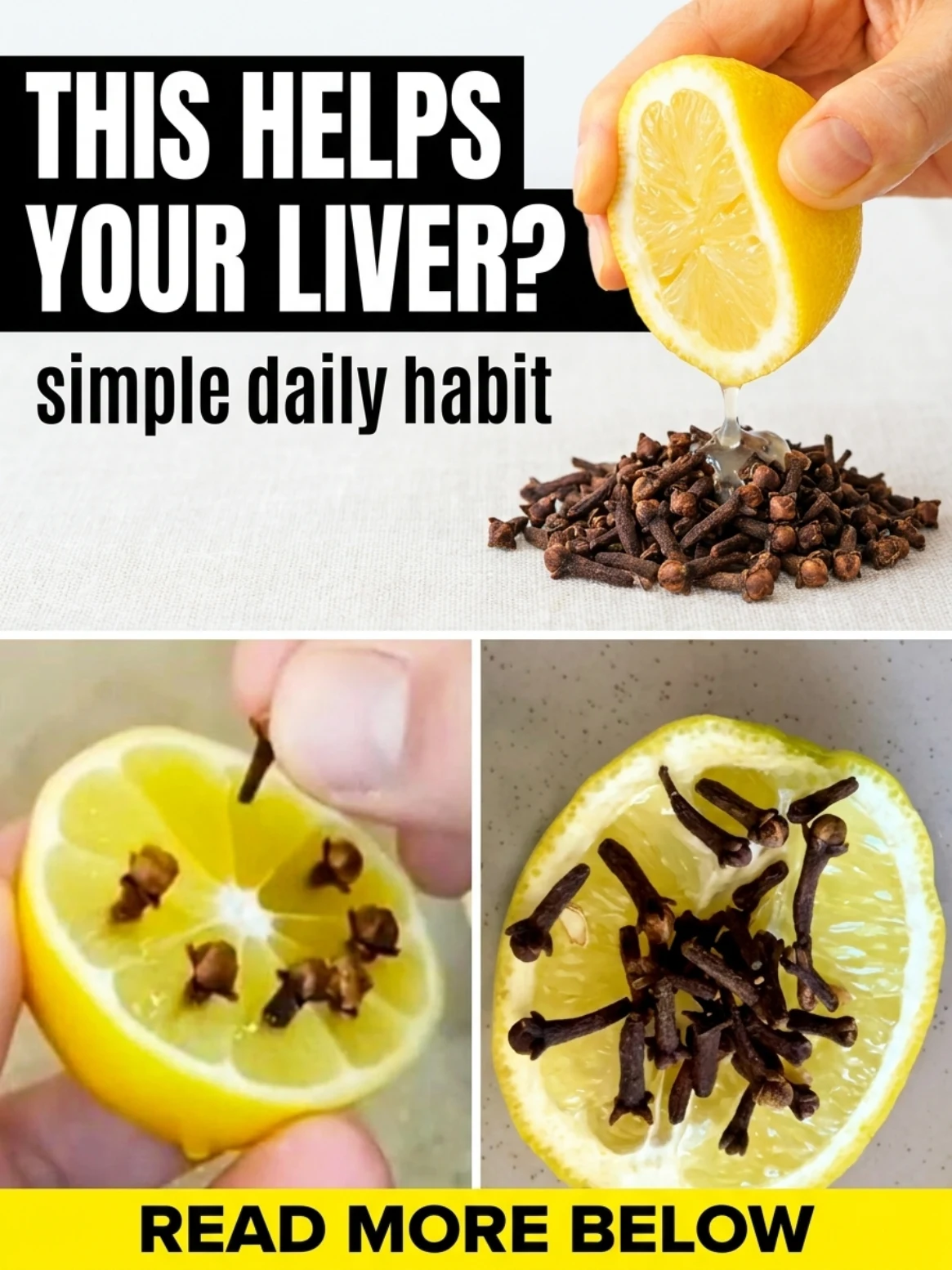
A lemon pressed with whole cloves looks like one of those remedies that must have a secret.
It is simple, inexpensive, and easy to make, which is exactly why it keeps showing up in traditional wellness conversations. People often say this lemon and clove remedy for liver support helps “cleanse” the body or “detox” the liver. But the more honest answer is a little more grounded: this kind of drink may fit into a healthy routine, yet there is no strong evidence that lemon and cloves can detox the liver or reverse liver disease on their own. For real liver health, major guidance still points to a healthy diet, weight management, and limiting alcohol, especially for fatty liver disease.
That does not mean the remedy is useless. Lemon contains vitamin C and citrus flavonoids, while cloves contain aromatic compounds such as eugenol that researchers study for antioxidant activity. The realistic way to view this habit is as a supportive wellness drink, not a miracle fix.
Ingredients
This traditional-style remedy is very simple.
- 1 fresh lemon
- 6 to 10 whole cloves
That is all you need for the basic version.
How to Prepare
This remedy is usually made with a lemon half pressed with cloves.
Step 1: Prepare the lemon
Cut one lemon in half.
Step 2: Add the cloves
Insert 6 to 10 whole cloves into the cut side of one lemon half.
Step 3: Let it infuse briefly
Leave it for a few minutes so the lemon juice and clove aroma combine.
Step 4: Use it in warm water
Squeeze the lemon-clove half into a cup of warm water, or steep the clove-studded lemon in warm water for several minutes before drinking.
Some people prefer to use only half a lemon at a time because the flavor can be sharp.
How to Use It and Best Time to Take It
This kind of remedy is usually taken as a small daily wellness drink, not in large amounts.
Many people prefer it:
In the morning
A warm cup in the morning feels light and refreshing, especially if you want a simple ritual before breakfast.
After heavy meals
Some people use it after rich or greasy meals because the lemon feels bright and the cloves add warmth.
A few times per week
Daily use is common in folk routines, but moderate use often makes more sense than overdoing acidic drinks every day.
Quick relief timeline
If this drink helps at all, the effects are usually simple and immediate: warmth, hydration, and a fresher feeling within the same day. It is not realistic to expect visible changes in liver fat, liver enzymes, or liver disease from a few days of lemon and clove water. Liver improvement, when possible, generally comes from longer-term diet and lifestyle changes.
Why People Think Lemon and Clove Help
The appeal of this remedy comes from the ingredients themselves.
Lemon
Lemon and other citrus fruits contain flavonoids and antioxidant compounds that researchers continue to study for broader health effects. That is one reason citrus gets linked with “cleansing” and metabolic support. But most of that science does not prove that lemon water treats liver disease in people.
Cloves
Cloves contain eugenol and other aromatic compounds with antioxidant and anti-inflammatory interest in laboratory and animal research. Some published work discusses clove oil as having hepatoprotective potential in experimental settings, but that is very different from proving that a clove-studded lemon is a liver treatment for humans. (PubMed)
Why the blend feels convincing
Lemon makes the drink feel clean and sharp. Cloves add warmth and a medicinal aroma. Together, they create the kind of remedy that feels powerful even when the true effect may be much gentler than people assume.
What Actually Supports Liver Health
This is the part that matters most.
According to NIDDK, preventing or managing fatty liver disease is more closely linked to a healthy diet, portion control, maintaining a healthy weight, and reducing alcohol when needed. Liver disease can also come from viruses, medications, and other causes, which means home drinks are not a substitute for medical care.
So the smartest way to see this remedy is as one small habit inside a bigger picture that includes:
- better food quality
- less alcohol
- stable weight
- regular checkups if symptoms or abnormal labs are present
Who May Like This Remedy Most
This lemon and clove drink may appeal to people who:
- enjoy simple traditional liver support remedies
- want a light morning wellness habit
- prefer food-based home routines over supplements
- like warm, aromatic drinks after meals
It is best suited for general wellness, not for people expecting it to “clean” the liver quickly.
Safety Notes
This part should not be skipped.
Lemon is acidic, so frequent use may irritate sensitive teeth, reflux, or an unsettled stomach. Cloves are a strong spice, and concentrated clove products can cause side effects. NCCIH also notes more broadly that supplements and natural products can cause side effects or interact with medications, and safety data for many products is limited. (NCCIH)
Use caution if you:
- have acid reflux or a sensitive stomach
- have enamel sensitivity
- take multiple medications
- already have diagnosed liver disease and are delaying proper care
If you have jaundice, swelling, ongoing nausea, dark urine, unusual fatigue, or persistent pain, those symptoms need medical evaluation rather than a home remedy.
Final Takeaway
The lemon and clove remedy for liver support is easy to understand. It is simple, warm, aromatic, and feels healthy. But the real truth is more modest: it may be a pleasant daily wellness habit, yet it is not a proven liver detox or a cure for liver disease. (Viện Quốc gia về Bệnh Tiểu đường và Tiêu hóa)
Used sensibly, it can still be a nice part of a routine. Just keep expectations realistic. The liver usually benefits far more from consistent habits than from any one dramatic kitchen remedy.
Related Source Science
Citrus fruits contain flavonoids that are being studied for antioxidant and metabolic effects, while cloves contain eugenol and other compounds of interest in experimental hepatoprotective research. At the same time, major liver-health guidance still centers on diet quality, weight management, and limiting alcohol rather than on lemon-and-clove drinks. (PubMed)