A good night’s sleep is the cornerstone of overall well-being, yet for many, it remains an elusive dream. While factors like stress, screen time, and daily routines play significant roles, the food we consume – especially in the hours leading up to bedtime – can also profoundly influence the quality of our rest. At Nature’s Wellness Table, we believe in empowering you with practical, positive steps towards a healthier life, and that includes understanding how nutrition can pave the way for more peaceful slumber.
Many of us are aware that a heavy, spicy meal or too much caffeine before bed can disrupt sleep. But did you know that certain foods can actually promote relaxation and help you drift off more easily? Our aim isn’t about strict rules, but about making mindful choices that support your body’s natural rhythms.
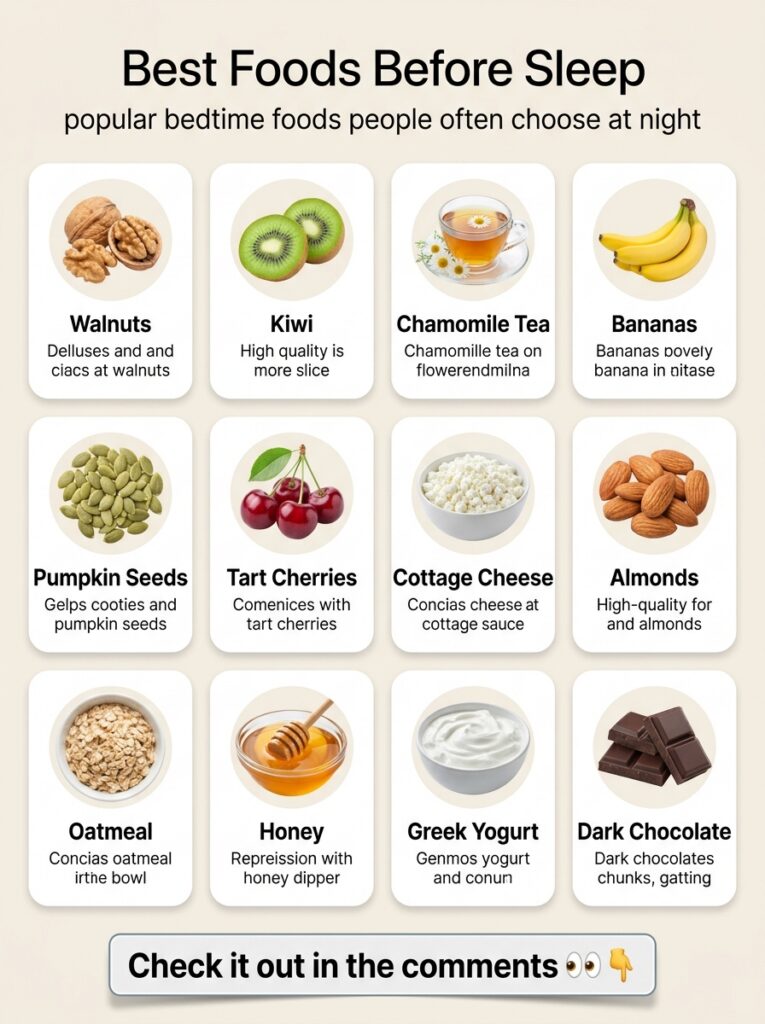 Discover key sleep-supporting foods that can help you unwind and rest.
The Science of Sleep-Supporting Foods: More Than Just a Myth
It’s not magic; it’s biochemistry! Many foods contain natural compounds that interact with our bodies to promote sleep. Key players include:
- Tryptophan: An amino acid that converts into serotonin, a neurotransmitter that promotes relaxation, and then into melatonin, the hormone that regulates our sleep-wake cycle.
- Melatonin: The body’s natural sleep hormone. Some foods contain it directly.
- Magnesium: A mineral that acts as a natural muscle relaxant and helps calm the nervous system.
- Calcium: Helps the brain use tryptophan to make melatonin.
- Complex Carbohydrates: Can help make tryptophan more available to the brain.
Foods to Embrace for Better Sleep
Inspired by common bedtime favorites and delving deeper into nature’s pantry, here are some wonderful foods that can help you prepare for a restful night:
1. Fruits That Favor Slumber
- Kiwi: These small, mighty fruits are packed with antioxidants and serotonin, which contributes to melatonin production. Studies suggest kiwis may help people fall asleep faster and sleep more soundly.
- Bananas: A fantastic source of potassium and magnesium, both known for their muscle-relaxing properties. They also contain tryptophan, giving your body a natural nudge towards relaxation.
- Tart Cherries: Unlike sweet cherries, tart cherries (and their juice) are one of the few natural food sources of melatonin, making them a superb choice for a nighttime snack.
2. Dairy & Proteins for Peaceful Nights
- Milk & Yogurt: A classic bedtime remedy, warm milk can be incredibly soothing. Both milk and yogurt are excellent sources of tryptophan and calcium, supporting the body’s melatonin production. Opt for plain varieties to avoid added sugars.
- Cottage Cheese: A lean protein source rich in tryptophan. Its slow-digesting protein can also help stabilize blood sugar overnight, preventing midnight awakenings due to hunger.
- Almonds: These nuts are a powerhouse of magnesium, which helps relax muscles and nerves. They also contribute a healthy dose of tryptophan.
- Walnuts: Another excellent nut choice, walnuts are one of the best plant-based sources of melatonin, along with omega-3 fatty acids that support brain health.
- Turkey: While often associated with post-Thanksgiving naps, turkey is genuinely high in tryptophan, which can help promote a calm and relaxed feeling.
- Fatty Fish (Salmon, Tuna): Rich in Vitamin D and omega-3 fatty acids, which are believed to boost serotonin regulation in the body, contributing to better sleep quality.
3. Grains & Other Soothing Options
- Oats: A bowl of warm oatmeal can be incredibly comforting. Oats are a good source of complex carbohydrates, which can help increase the availability of tryptophan in the brain. They also contain magnesium.
- White Rice: While often scrutinized for its glycemic index, studies suggest that consuming white rice a few hours before bed might help improve sleep due to its ability to quickly raise blood sugar, potentially aiding tryptophan entry into the brain. Moderation and timing are key here.
- Honey: A small amount of honey can cause a slight insulin spike, which can help tryptophan enter the brain more easily. Try a teaspoon in warm milk or herbal tea.
- Dark Chocolate (in moderation): Contains serotonin and magnesium, both beneficial for relaxation. However, it also contains caffeine, so if you’re sensitive, opt for very small portions with high cocoa content and consume it earlier in the evening.
- Chamomile Tea: This beloved herbal tea is known for its calming effects. It contains an antioxidant called apigenin, which can bind to specific receptors in your brain that decrease anxiety and initiate sleep.
- Lettuce: Believe it or not, some varieties of lettuce (like Romaine) contain lactucarium, which has mild sedative properties. A light salad for an early dinner could contribute to relaxation.
- Sweet Potatoes: These provide complex carbohydrates that encourage serotonin production and are also a good source of potassium, which acts as a muscle relaxant.
Practical Tips for Incorporating Sleep-Friendly Foods
Understanding which foods help is only half the battle. Here’s how to integrate them effectively:
- Timing is Everything: Aim to finish your last substantial meal at least 2-3 hours before bedtime. This gives your body ample time to digest. Light snacks, if needed, can be consumed closer to bedtime.
- Portion Control: Even healthy foods should be consumed in moderation, especially before sleep. A small handful of almonds or a single banana is usually sufficient.
- Listen to Your Body: Everyone is different. Pay attention to how various foods affect your sleep and adjust accordingly.
- Create a Bedtime Ritual: Pair your sleep-supporting snack with a calming routine – perhaps a warm bath, gentle stretching, or reading.
Foods to Approach with Caution Before Bed
Just as some foods help, others can hinder. Try to limit or avoid these before bedtime:
- Heavy, Fatty, or Spicy Foods: Can cause indigestion, heartburn, and discomfort, making it hard to settle down.
- Caffeine: Found in coffee, some teas, chocolate, and energy drinks, caffeine is a stimulant that can stay in your system for many hours.
- Alcohol: While it might initially make you feel drowsy, alcohol disrupts the quality and restorative stages of sleep later in the night.
- Excessive Sugar: Can lead to blood sugar spikes and crashes, disturbing your sleep cycle.
Embracing a lifestyle that supports restful sleep is a journey, not a destination. By making mindful choices about what you eat, you’re not just nourishing your body, but also paving the way for deeper, more restorative sleep. Experiment with these natural helpers, and discover how truly empowering it is to wake up feeling refreshed and ready to embrace the day.