Known as the ‘Golden Spice,’ turmeric (Curcuma longa) has graced kitchens and medicine cabinets for millennia. From its vibrant yellow hue that adds warmth to countless dishes to its profound impact on health, this humble rhizome holds a fascinating story of tradition, science, and wellness. Let’s delve into the world of turmeric, exploring its traditional uses, modern relevance, and how you can harness its power.
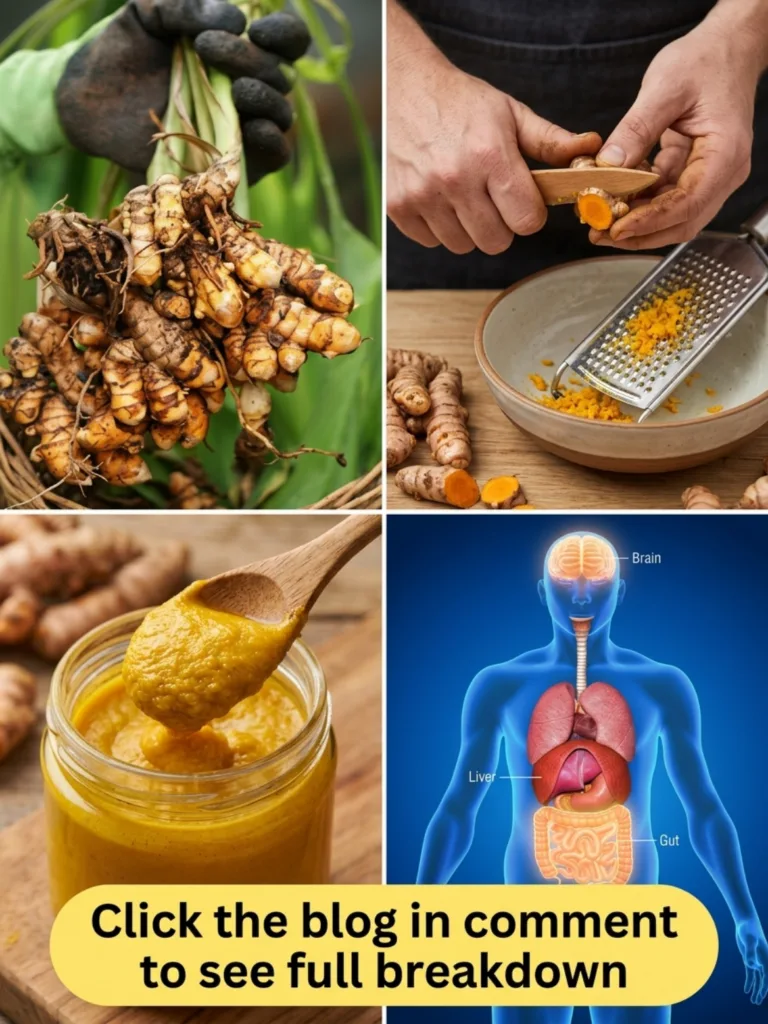 The journey of turmeric from soil to health benefits.
What “Plant” Is Traditionally Used For
Turmeric’s roots run deep in ancient cultures, particularly in South Asia. For over 4,000 years, it has been a cornerstone in Ayurvedic medicine, a traditional Indian system of healing. Here, it was revered for its ability to balance the body’s doshas and treat a vast array of ailments. Similarly, Traditional Chinese Medicine (TCM) utilized turmeric for its properties in moving qi (life energy) and blood, alleviating pain, and supporting digestive health.
Beyond medicine, turmeric is indispensable in Indian and Middle Eastern cuisine, lending its distinctive color and earthy flavor to curries, stews, and rice dishes. It’s also used in spiritual ceremonies, dyes, and cosmetics, demonstrating its multifaceted importance in daily life.
Why People Still Care About This Plant
In an age where natural remedies are gaining renewed appreciation, turmeric stands out for its well-documented health benefits. Modern science has begun to validate what traditional healers have known for centuries. The active compounds in turmeric, primarily curcuminoids (with curcumin being the most prominent), are powerful antioxidants and possess significant anti-inflammatory properties.
This explains why people continue to turn to turmeric for:
- Anti-inflammatory support: Crucial for managing conditions like arthritis and general aches.
- Antioxidant defense: Helping to combat oxidative stress and protect cells from damage.
- Digestive health: Supporting a healthy gut and easing discomfort.
- Brain health: Preliminary research suggests benefits for cognitive function and mood.
- Skin health: Its anti-inflammatory properties make it popular in natural skincare.
The interest in turmeric isn’t just about ancient wisdom; it’s about a growing body of scientific evidence that supports its role in holistic wellness.
Traditional Preparation Style
Preparing turmeric traditionally involves transforming the raw rhizome into a usable form, whether for culinary or medicinal purposes. The process emphasizes freshness and retaining its potent compounds.
Ingredients
- Fresh turmeric rhizomes
- Water (for cleaning and potentially making a paste)
- Optional: Black pepper (to enhance curcumin absorption)
Instructions
- Harvesting/Selection: Begin with fresh, firm turmeric rhizomes, similar to ginger.
- Cleaning: Thoroughly wash the rhizomes under running water to remove any soil.
- Peeling: Using a spoon or a vegetable peeler, carefully scrape or peel off the thin skin. This step is optional for some culinary uses but often preferred for pastes and medicinal preparations.
- Grating or Grinding: For immediate use, the peeled turmeric can be finely grated. For long-term storage or concentrated preparations, it’s traditionally ground into a fine paste using a mortar and pestle, or a stone grinder, often with a little water.
- Drying and Powdering: For dried turmeric powder, the peeled and sliced rhizomes are sun-dried for several days until brittle, then ground into a fine powder. This is how the common spice found in stores is made.
How It Is Usually Use
Turmeric’s versatility shines in its diverse applications:
- Culinary Spice: The most common use. It’s a staple in curries, stews, lentil dishes, and rice preparations, providing both color and flavor.
- Golden Milk (Turmeric Latte): A popular wellness drink, made by heating milk (dairy or plant-based) with turmeric, black pepper, ginger, and other spices.
- Herbal Teas: Sliced fresh turmeric or powder can be brewed into a warm, soothing tea.
- Topical Applications: In traditional beauty routines, turmeric paste is used as a face mask or applied to minor skin irritations due to its antiseptic and anti-inflammatory properties.
- Supplements: Turmeric and curcumin supplements are widely available, often combined with piperine (from black pepper) to significantly enhance absorption.
Safety Notes
While generally safe for most people, it’s important to be mindful of certain considerations when using turmeric, especially in concentrated forms:
- Gastrointestinal Upset: High doses can sometimes cause mild digestive issues like stomach upset, nausea, or diarrhea.
- Blood Thinning: Turmeric can have mild blood-thinning effects. Individuals on anticoagulant medications or those scheduled for surgery should consult a doctor.
- Gallbladder Issues: Turmeric may stimulate bile production, which could be problematic for those with gallstones or bile duct obstructions.
- Allergies: Though rare, allergic reactions to turmeric can occur.
- Pregnancy and Breastfeeding: While generally safe in culinary amounts, high medicinal doses of turmeric are not recommended during pregnancy or breastfeeding without medical advice.
- Absorption: Curcumin has poor bioavailability. Combining it with black pepper (which contains piperine) can dramatically improve its absorption.
Always consult with a healthcare professional before starting any new supplement regimen, especially if you have underlying health conditions or are taking other medications.
Final Thoughts
Turmeric truly is a golden gift from nature. Its journey from ancient healing practices and culinary traditions to modern scientific investigation highlights its enduring value. Whether you’re adding a pinch to your dinner, sipping a warm golden latte, or exploring its health benefits through supplements, turmeric offers a vibrant path to holistic well-being. Embrace this powerful spice and discover the richness it can bring to your life.
Related Source Science
The bulk of scientific research on turmeric focuses on its primary active compound, curcumin. Studies have explored curcumin’s roles in modulating inflammatory pathways, scavenging free radicals, and influencing various cellular processes. Research continues into its potential therapeutic applications for a wide range of conditions, including metabolic syndrome, arthritis, anxiety, and hyperlipidemia. The challenges in curcumin research often revolve around its low bioavailability, leading to the development of enhanced formulations for better absorption and efficacy.