Mangoes are a beloved tropical fruit, cherished for their sweet, juicy pulp. However, once the delicious fruit is consumed, the large seed inside is typically discarded. What many don’t realize is that these humble seeds, often overlooked, have a rich history of traditional use in various cultures, particularly for their potential health benefits and versatile applications. From ancient remedies to modern-day wellness discussions, the mango seed holds a fascinating place.
What “Plant” Is Traditionally Used For
When we talk about the “plant” in this context, we are specifically referring to the seed, or kernel, of the mango fruit (Mangifera indica). This sturdy, fibrous pit contains a valuable kernel that has been a component of traditional medicine systems, especially in Ayurvedic practices and indigenous folk medicine across Asia and Africa. Historically, every part of the mango tree, from its leaves and bark to its fruit and seeds, has found a purpose, reflecting a deep understanding of its properties by ancient communities.
Why People Still Care About This Plant
The continued interest in mango seeds stems from their unique nutritional profile and the belief in their medicinal properties. These seeds are surprisingly rich in beneficial compounds, including fats, proteins, dietary fiber, and a potent array of antioxidants such as phenolic compounds, flavonoids, and carotenoids. People traditionally used and continue to explore mango seeds for a variety of reasons:
- Digestive Health: Believed to aid digestion and help manage issues like diarrhea.
- Skin and Hair Care: Often incorporated into topical applications for promoting healthy skin and hair, sometimes due to their emollient properties.
- Blood Sugar Management: Some traditional practices suggest a role in supporting healthy blood sugar levels, though scientific evidence is preliminary.
- Anti-inflammatory Properties: The high antioxidant content is thought to contribute to anti-inflammatory effects in the body.
- Nutrient Source: A natural source of various vitamins and minerals.
Traditional Preparation Style
Preparing mango seeds for traditional use is a multi-step process that often involves cleaning, drying, and processing to make their beneficial compounds accessible. The goal is typically to create a powder or an infusion that can be consumed or applied topically.
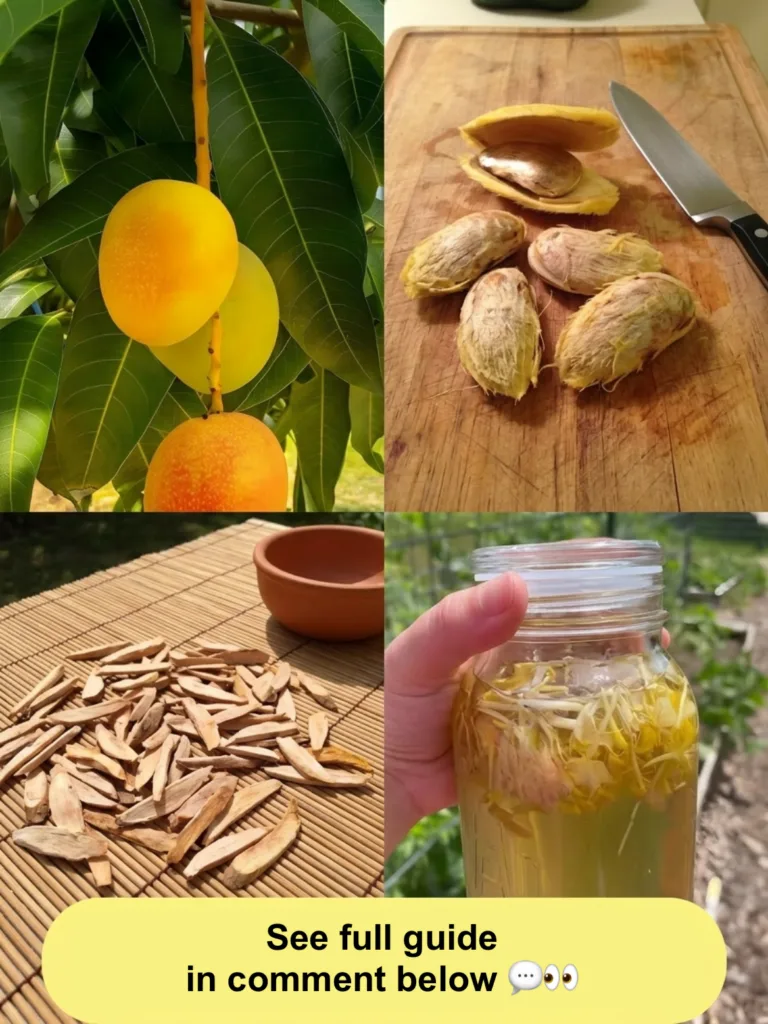 The journey of mango seeds from fruit to traditional remedy, often involving drying and infusion.
Ingredients
- Fresh, ripe mango seeds
- Water (for infusion or paste)
Instructions
- Extract and Clean: Carefully extract the seed from the ripe mango fruit. Scrape off any remaining pulp and wash the seed thoroughly to ensure it’s clean.
- Dry the Seed: Allow the cleaned seeds to air dry for several days, or even weeks, until the outer husk is brittle. This prevents mold and makes further processing easier.
- Crack Open: Once dried, carefully crack open the hard outer shell to reveal the kernel inside. This requires some force, often using a hammer or a heavy object.
- Slice and Dry Kernel: The kernel itself is often still moist. It’s common practice to slice the kernel into thinner pieces to facilitate more thorough drying. These pieces are then laid out in the sun or in a dehydrator until completely dry and hard.
- Grind into Powder: Once the kernel pieces are fully dried, they can be ground into a fine powder using a mortar and pestle or a spice grinder. This powder is the most common form for traditional use.
- Infusion (Optional): For an infusion, the dried and often powdered kernel can be steeped in hot water, similar to making tea, allowing the beneficial compounds to dissolve into the liquid.
How It Is Usually Use
The prepared mango seed powder or infusion can be used in several ways:
- Internal Consumption: The most common method is mixing the powder with water, honey, or adding it to smoothies and other foods. It’s often taken as a daily tonic for general well-being, particularly for digestive complaints.
- Topical Application: A paste made from mango seed powder and water can be applied directly to the skin for various skin issues, or to the hair and scalp as a conditioning treatment.
- Oral Health: In some traditions, the powder is used as a tooth powder or mouth rinse.
Safety Notes
While mango seeds have a long history of traditional use, it’s crucial to approach their consumption with caution and awareness:
- Allergies: Individuals allergic to mango fruit may also be sensitive to the seeds.
- Moderation is Key: As with many natural remedies, moderation is advised. Excessive consumption could potentially lead to adverse effects, though research is limited.
- Consult a Professional: Always consult with a healthcare professional or a qualified herbalist before incorporating mango seeds into your health regimen, especially if you have underlying health conditions, are pregnant, breastfeeding, or taking medications.
- Proper Preparation: Ensure seeds are thoroughly dried and processed to prevent mold or other contaminants. Raw mango seeds may contain antinutrients or compounds that require processing to be safely consumed.
- Lack of Regulation: Herbal remedies are not always regulated, so sourcing quality products or seeds for DIY preparation is important.
Final Thoughts
The mango seed, far from being mere waste, embodies a fascinating aspect of traditional wisdom regarding natural resources. Its historical use highlights an ingenuity in harnessing every part of a plant for wellness. While modern science is beginning to explore and validate some of these traditional claims, the rich cultural heritage of the mango seed continues to inspire and offers a reminder of the potential hidden within nature’s bounty. Always remember to approach natural remedies with respect, knowledge, and a commitment to your safety and well-being.
Related Source Science
Preliminary scientific studies have begun to investigate the properties of mango seed kernels and extracts. Research has indicated that mango seeds possess significant antioxidant, anti-inflammatory, and antimicrobial properties, largely attributed to their high concentration of phenolic compounds, tannins, and flavonoids. Some in-vitro and animal studies have explored their potential role in managing oxidative stress, supporting cardiovascular health, and even exhibiting antidiabetic effects. However, it is important to note that much of this research is still in its early stages, and more extensive human clinical trials are needed to fully understand the efficacy, optimal dosages, and long-term safety of mango seed consumption for therapeutic purposes.