Protein shakes can be a convenient way to boost your protein intake, especially after a workout or when you’re on the go. But sometimes, you crave something more substantial, something with texture, flavor, and all the added benefits that come from whole foods. If you’re looking to swap out your shaker bottle for a satisfying meal or snack, you’ve come to the right place! We’re diving into 10 fantastic, real-food protein sources that not only pack a punch in the nutrition department but are also incredibly delicious and easy to incorporate into your daily routine.
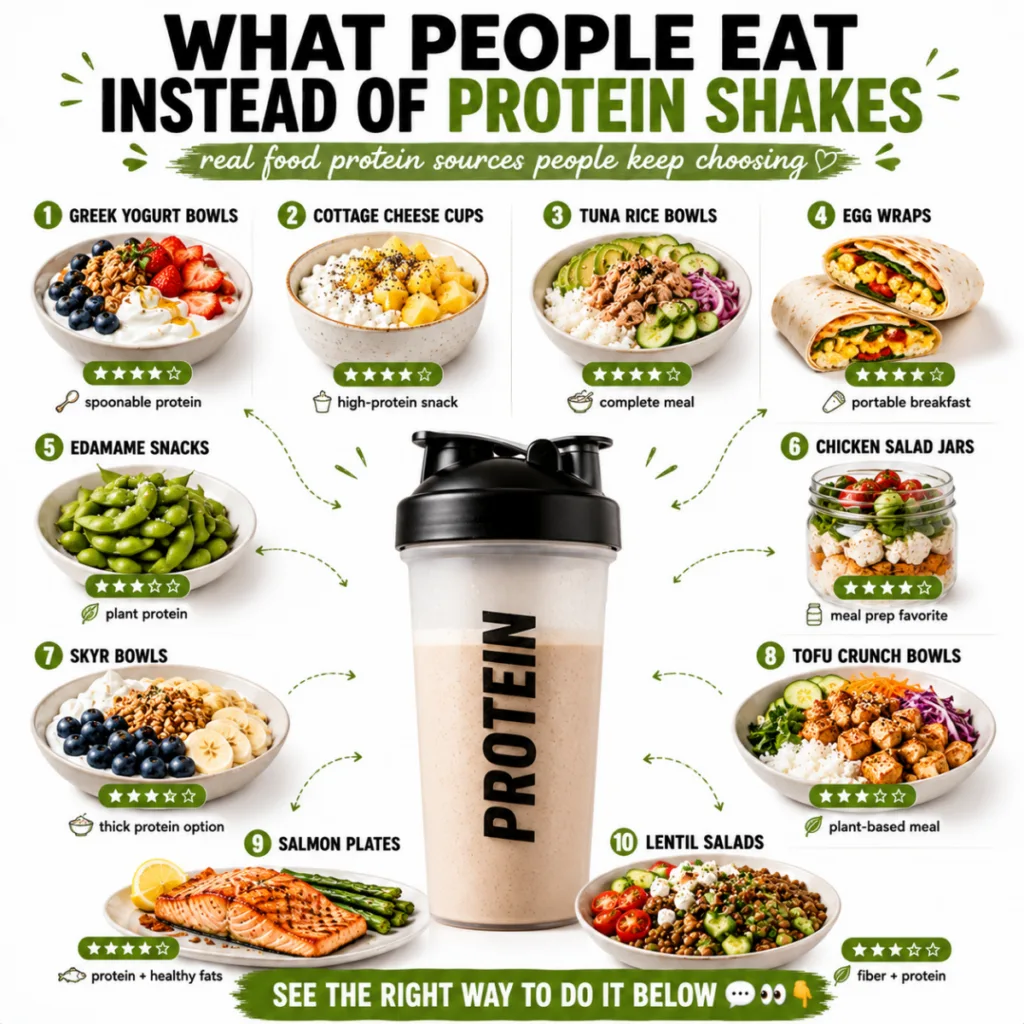 Discover delicious and nutritious whole food alternatives to protein shakes!
Why Choose Whole Foods Over Shakes?
While protein powders have their place, relying solely on them can mean missing out on a bounty of other essential nutrients found in whole foods. Think about it: fiber, vitamins, minerals, healthy fats, and antioxidants – these all contribute to overall health, satiety, and energy levels. Whole food protein sources often provide a more sustained release of energy and can keep you feeling fuller for longer, thanks to their complex nutritional profiles.
Your Guide to 10 Delicious Protein-Packed Alternatives
Let’s explore some incredible options that will keep your body fueled and your taste buds happy!
1. Greek Yogurt Bowls (Spoonable Protein Power)
Greek yogurt is a fantastic source of protein and probiotics, making it a gut-friendly and muscle-building choice. Its thick, creamy texture is incredibly satisfying.
- Ingredients: 1 cup plain Greek yogurt (full-fat or 2%), 1/2 cup mixed berries, 2 tbsp granola, 1 tbsp chopped nuts (almonds, walnuts), drizzle of honey or maple syrup.
- Quick Prep Guide: Combine all ingredients in a bowl. Enjoy immediately.
- Smart Substitutions: Swap berries for sliced banana or peaches. Use seeds (chia, flax) instead of nuts for extra omega-3s. Add a sprinkle of cinnamon or cocoa powder for flavor.
- Storage Savvy: Store plain Greek yogurt in the fridge for up to 1-2 weeks. Prep toppings separately and combine just before eating to prevent sogginess.
- Serving Suggestions: Perfect for breakfast, a quick snack, or a light dessert.
2. Salmon Plates (Protein + Healthy Fats)
Salmon is a nutritional superstar, offering high-quality protein and essential omega-3 fatty acids, crucial for brain and heart health.
- Ingredients: 4-6 oz salmon fillet, 1 tbsp olive oil, salt, pepper, lemon wedges, 1 cup roasted asparagus or broccoli, 1/2 cup quinoa or brown rice.
- Quick Prep Guide: Preheat oven to 400°F (200°C). Season salmon with salt, pepper, and a squeeze of lemon. Roast for 12-15 minutes, or until cooked through. Serve with roasted vegetables and quinoa.
- Smart Substitutions: Try other fatty fish like mackerel or trout. Swap quinoa for wild rice or farro. Use any seasonal green vegetable for roasting.
- Storage Savvy: Cooked salmon and sides can be stored in an airtight container in the fridge for 3-4 days. Reheat gently to prevent drying out.
- Serving Suggestions: A complete and balanced meal for lunch or dinner.
3. Cottage Cheese & Fruit (Creamy Protein Source)
Cottage cheese is an often-overlooked protein powerhouse, known for its slow-digesting casein protein, making it excellent for sustained energy and muscle recovery.
- Ingredients: 1 cup cottage cheese, 1/2 cup pineapple chunks (fresh or canned), 1/4 cup mixed berries, 1 tsp sunflower seeds.
- Quick Prep Guide: Spoon cottage cheese into a bowl, top with fruit and seeds.
- Smart Substitutions: Any fruit works well – peaches, melon, or sliced apples. A dash of black pepper (yes, with fruit!) can elevate the flavor.
- Storage Savvy: Keep cottage cheese refrigerated according to package instructions (usually 1-2 weeks once opened).
- Serving Suggestions: A refreshing breakfast, snack, or post-workout treat.
4. Hard-Boiled Eggs (Quick Protein Boost)
Eggs are a complete protein source, meaning they contain all nine essential amino acids. They’re incredibly versatile and portable.
- Ingredients: 2-3 large eggs, salt, pepper, a dash of paprika.
- Quick Prep Guide: Place eggs in a saucepan and cover with cold water. Bring to a rolling boil, then remove from heat, cover, and let stand for 8-10 minutes. Drain, rinse with cold water, peel, and season.
- Smart Substitutions: Use them in egg salad, chop them into green salads, or mash with avocado for a creamy spread.
- Storage Savvy: Hard-boiled eggs (unpeeled) can be stored in the fridge for up to 7 days. Peeled eggs are best eaten within 2-3 days.
- Serving Suggestions: A quick grab-and-go snack, or sliced over toast or salads.
5. Chicken Breast (Lean Muscle Builder)
Chicken breast is a classic for a reason: it’s lean, high in protein, and incredibly versatile for various meals.
- Ingredients: 4 oz boneless, skinless chicken breast, 1 tsp olive oil, salt, pepper, garlic powder, 1 cup mixed greens, 1/4 cup cherry tomatoes, light vinaigrette.
- Quick Prep Guide: Season chicken with salt, pepper, and garlic powder. Heat olive oil in a pan over medium-high heat. Cook chicken for 5-7 minutes per side, or until cooked through. Slice and serve on a bed of mixed greens with tomatoes and dressing.
- Smart Substitutions: Grill, bake, or shred chicken for tacos, wraps, or stir-fries. Use other lean meats like turkey breast.
- Storage Savvy: Cooked chicken breast can be stored in an airtight container in the fridge for 3-4 days. Great for meal prepping!
- Serving Suggestions: Excellent in salads, sandwiches, wraps, pasta dishes, or with roasted vegetables.
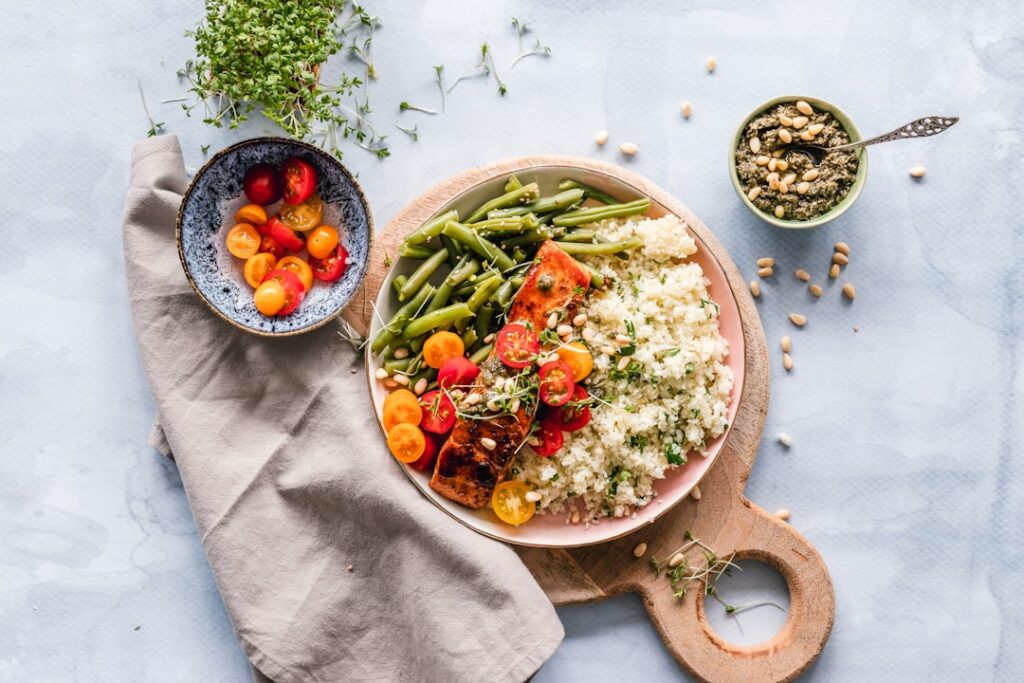 Wholesome and vibrant Buddha bowls are a fantastic way to enjoy diverse protein sources.
6. Lentil Soup (Plant-Based Protein Powerhouse)
Lentils are an amazing plant-based protein source, also rich in fiber, iron, and folate. A hearty lentil soup is comforting and incredibly nutritious.
- Ingredients: 1 cup brown or green lentils, 4 cups vegetable broth, 1 carrot (diced), 1 celery stalk (diced), 1 onion (diced), 2 cloves garlic (minced), 1 can diced tomatoes, 1 tsp cumin, 1 tsp coriander, salt, pepper.
- Quick Prep Guide: Sauté onion, carrot, celery, and garlic in a pot until softened. Add lentils, broth, diced tomatoes, cumin, and coriander. Bring to a boil, then reduce heat and simmer for 25-30 minutes, or until lentils are tender. Season to taste.
- Smart Substitutions: Add spinach, kale, or sweet potato for extra veggies. Use red lentils for a creamier texture.
- Storage Savvy: Lentil soup stores wonderfully in the fridge for up to 4-5 days and freezes well for several months.
- Serving Suggestions: A warming meal on its own, or served with crusty bread.
7. Edamame Snacks (Easy Protein Pods)
Edamame, or young soybeans, are a complete plant-based protein, easy to snack on and packed with fiber and vitamins.
- Ingredients: 1 cup frozen edamame (in pods or shelled), pinch of sea salt.
- Quick Prep Guide: Boil or steam edamame according to package directions (usually 3-5 minutes). Drain and sprinkle with sea salt.
- Smart Substitutions: Add a sprinkle of chili flakes, garlic powder, or a dash of soy sauce for extra flavor.
- Storage Savvy: Cooked edamame can be stored in the fridge for 2-3 days. Frozen edamame lasts for months in the freezer.
- Serving Suggestions: A perfect snack, appetizer, or addition to salads and stir-fries.
8. Quinoa Salad (Complete Protein Grain)
Quinoa is unique among grains because it’s a complete protein, offering a fantastic base for a nutritious and filling salad.
- Ingredients: 1 cup cooked quinoa, 1/2 cup chopped cucumber, 1/2 cup chopped bell pepper, 1/4 cup crumbled feta cheese (or chickpeas for vegan), 2 tbsp chopped fresh parsley, lemon-tahini dressing.
- Quick Prep Guide: Combine cooked quinoa with chopped vegetables, feta/chickpeas, and parsley. Dress with lemon-tahini dressing.
- Smart Substitutions: Add other veggies like cherry tomatoes, corn, or black beans. Try different herbs like mint or cilantro.
- Storage Savvy: Cooked quinoa salad can be stored in the fridge for 3-4 days. Store dressing separately and add just before serving for best results.
- Serving Suggestions: A light lunch, a side dish, or an excellent meal prep option.
9. Nut Butter Toast (Satisfying Protein + Carbs)
A classic for a reason! Nut butter provides protein and healthy fats, while whole-grain toast offers complex carbohydrates for sustained energy.
- Ingredients: 1-2 slices whole-grain toast, 2 tbsp almond butter (or peanut, cashew butter), 1/2 sliced banana, sprinkle of chia seeds.
- Quick Prep Guide: Toast bread. Spread nut butter evenly. Top with sliced banana and chia seeds.
- Smart Substitutions: Use apple slices or berries instead of banana. Drizzle with a tiny bit of honey or sprinkle with cinnamon.
- Storage Savvy: Store nut butter at room temperature (check label for refrigeration needs).
- Serving Suggestions: A quick breakfast, pre-workout snack, or satisfying afternoon pick-me-up.
10. Tofu Scramble (Versatile Plant Protein)
Tofu is an incredibly versatile plant-based protein that can mimic scrambled eggs. It’s fantastic for vegans and anyone looking to incorporate more plant foods.
- Ingredients: 1 block (14 oz) firm or extra-firm tofu (pressed), 1 tbsp olive oil, 1/4 cup diced onion, 1/4 cup diced bell pepper, 1 tsp nutritional yeast (for cheesy flavor), 1/2 tsp turmeric (for color), pinch of black salt (kala namak for egg flavor, optional), salt, pepper.
- Quick Prep Guide: Crumble pressed tofu into a bowl. Sauté onion and bell pepper in olive oil until soft. Add crumbled tofu, nutritional yeast, turmeric, black salt (if using), salt, and pepper. Cook, stirring occasionally, for 5-7 minutes until heated through and slightly browned.
- Smart Substitutions: Add spinach, mushrooms, or other favorite vegetables. Serve with a side of avocado or hot sauce.
- Storage Savvy: Cooked tofu scramble can be stored in the fridge for 3-4 days.
- Serving Suggestions: A delicious and protein-packed breakfast, brunch, or even a light dinner.
Making the Switch Seamlessly
Transitioning to more whole-food protein sources doesn’t have to be overwhelming. Here are a few tips:
- Start Small: Replace one protein shake a day or a few times a week with a whole food option.
- Meal Prep: Dedicate some time on the weekend to prepare components like cooked quinoa, hard-boiled eggs, or roasted chicken. This makes assembling quick meals during the week a breeze.
- Keep it Simple: You don’t need fancy recipes. A piece of fruit with cottage cheese or a handful of edamame are perfectly good options.
- Listen to Your Body: Pay attention to how different foods make you feel. Whole foods often provide sustained energy and greater satisfaction.
Frequently Asked Questions (FAQ)
How much protein do I need?
Protein needs vary based on age, activity level, and goals. A general guideline for most adults is 0.8 grams of protein per kilogram of body weight. Active individuals or those looking to build muscle may need more, around 1.2-2.0 grams per kilogram.
Are protein shakes bad for me?
No, protein shakes are not inherently bad. They can be a convenient and effective way to meet protein targets, especially for busy individuals or athletes. The key is balance and choosing high-quality powders with minimal additives. This article simply offers alternatives for those who prefer whole foods.
Can I still use protein powder sometimes?
Absolutely! The goal isn’t to demonize protein powder, but to offer a broader range of delicious and nutritious options. Feel free to use protein shakes when they fit your lifestyle, and incorporate these whole food alternatives when you have more time or simply crave something different.
Embrace the Delicious World of Whole Food Protein!
Moving beyond protein shakes opens up a world of culinary possibilities, full of rich flavors, varied textures, and a spectrum of nutrients that only whole foods can provide. We hope this guide empowers you to explore these delicious alternatives and enjoy the journey to a more balanced and satisfying diet. Happy eating!
Ready for more healthy meal ideas and practical wellness tips? Check out our other articles like “Quick & Easy Weeknight Meals” or “Boosting Your Energy Naturally”!