Bread is one of the most common foods around the world, yet not all breads offer the same nutritional value. Walk into any grocery store and you’ll likely find dozens of options, from classic white bread to whole wheat, multigrain, and rye varieties.
So which one is actually the best choice for your health?
The answer depends on your goals, but understanding the nutritional differences can help you make smarter decisions that support energy, digestion, and overall wellness.
Why Bread Choice Matters
Bread is primarily a source of carbohydrates, which provide the body’s preferred fuel source. However, the quality of those carbohydrates can vary significantly.
A healthier bread typically provides:
- More fiber
- More vitamins and minerals
- Better blood sugar control
- Greater fullness after meals
- Additional protein
Choosing the right bread can make a meaningful difference in your daily nutrition.
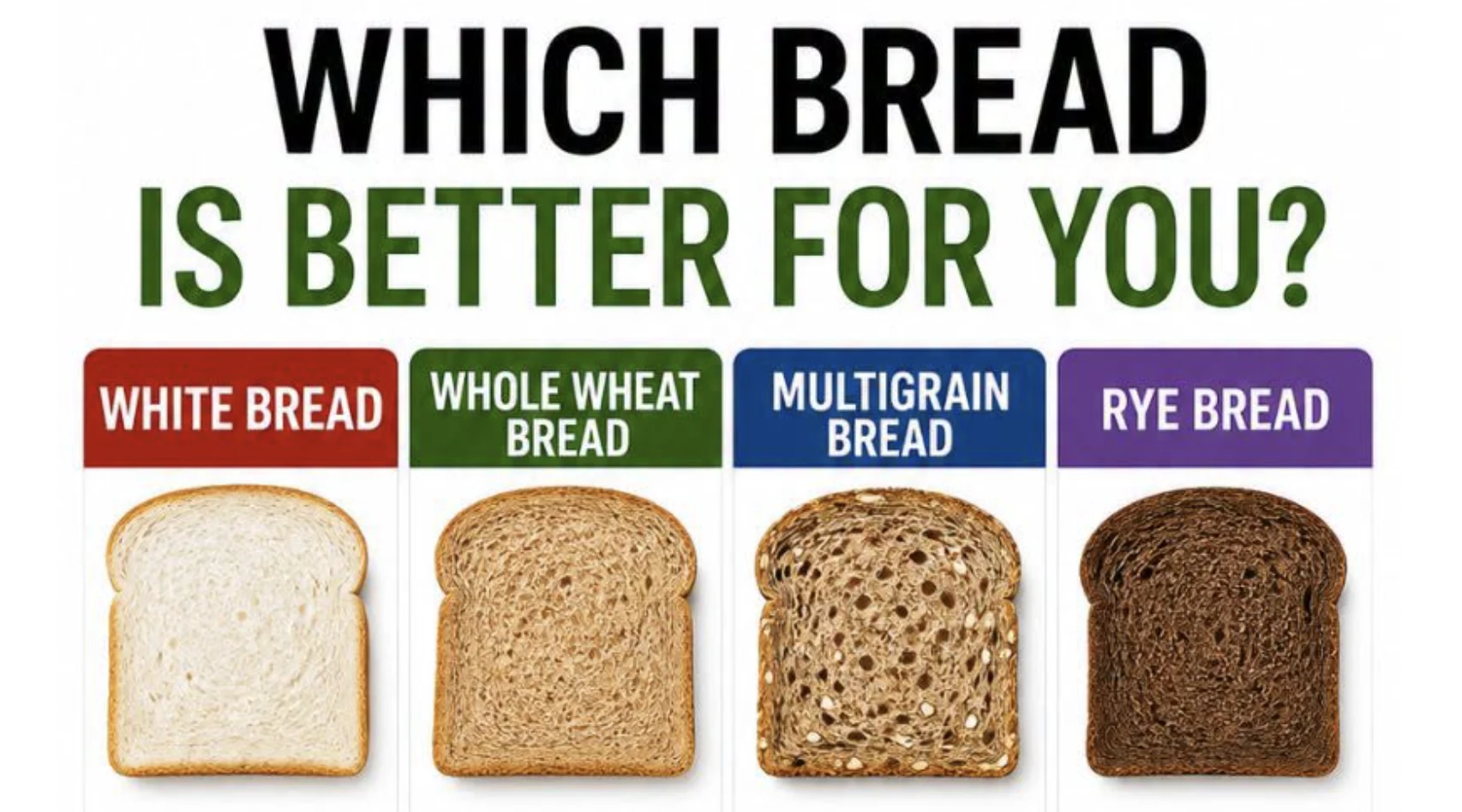
White Bread: The Most Popular but Least Nutritious Option
White bread is made from refined flour, meaning much of the bran and germ have been removed during processing.
Typical characteristics:
- Soft texture
- Mild flavor
- Lower fiber content
- Faster digestion
- Greater impact on blood sugar
While white bread isn’t inherently unhealthy, it generally contains fewer nutrients than whole-grain alternatives.
Best For:
- Quick energy before intense physical activity
- People who need lower-fiber diets temporarily
Not Ideal For:
- Blood sugar management
- Long-lasting fullness
- Increasing fiber intake
Whole Wheat Bread: A Reliable Everyday Choice
Whole wheat bread uses the entire wheat kernel, including the bran and germ.
Benefits include:
- Higher fiber content
- More protein
- Additional vitamins and minerals
- Better satiety
Because it contains more fiber than white bread, whole wheat bread typically digests more slowly and provides steadier energy.
Best For:
- Daily sandwiches
- Balanced breakfasts
- General healthy eating
Multigrain Bread: Often the Most Nutrient-Dense
Multigrain bread contains multiple grains and seeds, which may include:
- Oats
- Barley
- Millet
- Flaxseeds
- Sunflower seeds
These ingredients can increase:
- Fiber
- Protein
- Healthy fats
- Micronutrients
However, not all multigrain breads are equal. Some still use mostly refined flour.
What to Look For
Check the ingredient list and choose products where whole grains appear first.
Best For:
- Increasing fiber intake
- Longer-lasting fullness
- Nutrient-rich meals
Rye Bread: Excellent for Digestion and Satiety
Rye bread is traditionally made with rye flour and has a darker, denser texture.
Potential advantages include:
- High fiber content
- Slower digestion
- Better satiety
- Distinctive flavor
Many people find rye bread keeps them full longer than white bread.
Best For:
- Breakfast
- Open-faced sandwiches
- Heart-conscious eating patterns
Which Bread Has the Most Fiber?
In general:
- Multigrain bread
- Whole wheat bread
- Rye bread
- White bread
Fiber is important because it helps:
- Support digestive health
- Promote fullness
- Maintain healthy cholesterol levels
- Support blood sugar control
Most adults could benefit from increasing daily fiber intake.
Which Bread Is Best for Weight Management?
No bread automatically causes weight gain.
The most helpful options are usually those that increase fullness and reduce overeating later.
Good choices include:
- Whole wheat bread
- Rye bread
- High-fiber multigrain bread
These varieties may help you feel satisfied with smaller portions.
Which Bread Is Best for Protein?
Although bread is not a major protein source, some varieties provide more than others.
Generally:
- Whole wheat bread contains more protein than white bread
- Multigrain bread often contains the most protein due to seeds and grains
- Rye bread offers moderate protein
For a balanced meal, pair bread with protein-rich foods such as:
- Eggs
- Greek yogurt
- Cottage cheese
- Tuna
- Chicken
- Nut butter
How to Read Bread Labels Like a Nutrition Expert
When shopping, don’t rely solely on the front package.
Instead, check:
Ingredient List
Look for:
- Whole wheat flour
- Whole rye flour
- Whole oats
- Whole grains
Avoid products where refined flour is the first ingredient if you’re seeking a higher-fiber option.
Fiber Content
Aim for at least:
- 3 grams of fiber per serving
- More if available
Added Sugar
Some breads contain surprisingly high amounts of added sugar.
Choose options with lower sugar whenever possible.
Healthy Ways to Eat Bread
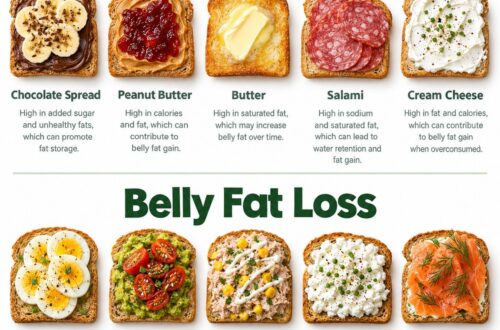
The toppings often matter just as much as the bread itself.
Better Choices
- Avocado and eggs
- Cottage cheese and tomatoes
- Nut butter and banana
- Tuna salad
- Hummus and vegetables
Less Ideal Choices
- Large amounts of sugary spreads
- Highly processed deli meats
- Excess butter and sweet toppings
A nutritious topping can transform bread into a balanced meal.
So, Which Bread Wins?
If you’re looking for the healthiest overall choice:
Multigrain Bread
Best for fiber, nutrients, and satiety when made from whole grains.
Whole Wheat Bread
Excellent everyday option that balances nutrition, taste, and affordability.
Rye Bread
Great choice for digestive health and lasting fullness.
White Bread
Fine occasionally, but generally lower in fiber and nutrients compared with whole-grain alternatives.
Final Thoughts
There isn’t one perfect bread for everyone, but whole wheat, multigrain, and rye breads generally offer more nutritional value than white bread. The best choice is the one that fits your preferences while helping you meet your goals for fiber, protein, digestion, and long-lasting energy.
Instead of focusing only on calories, pay attention to fiber, whole-grain ingredients, and how satisfied you feel after eating. Small upgrades in your bread choice can lead to better nutrition over time.