Fruits are an undeniably delicious and vital component of a well-rounded diet, brimming with essential vitamins, minerals, and dietary fiber. However, the natural sugar content in fruits varies significantly, a distinction that holds importance for those keen on managing blood sugar levels, sustaining energy, and supporting overall metabolic wellness. The goal isn’t to demonize or avoid any fruit, but rather to cultivate mindful consumption habits and achieve a balanced intake tailored to your personal health objectives.
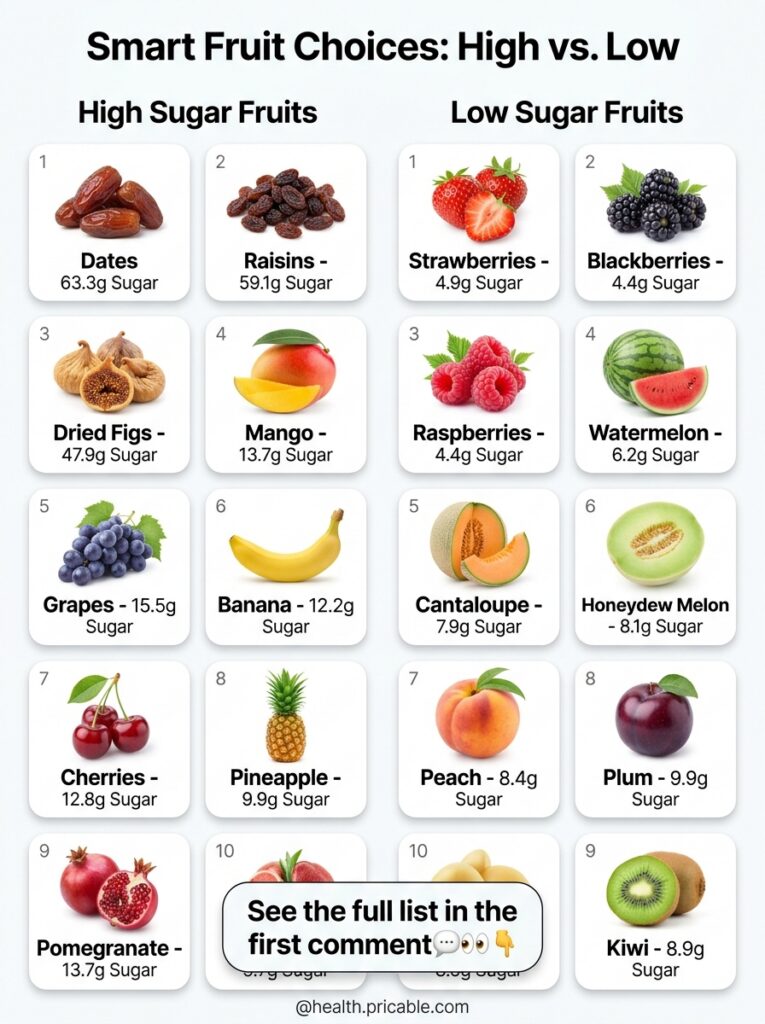 Understanding the sugar content in fruits can help you make balanced choices for your dietary needs.
Why Does Fruit Sugar Content Matter for Your Metabolism?
The primary sugar found in fruit is fructose, a natural carbohydrate. While whole fruits are packaged with fiber, which plays a crucial role in slowing down the absorption of sugars into the bloodstream, the quantity and type of sugar still have metabolic implications. Consuming very high amounts of fructose, especially from sources lacking fiber (like fruit juices), can impact various metabolic pathways. While the liver is equipped to process fructose, excessive intake can, over time, influence triglyceride levels and may affect insulin sensitivity in some individuals. The fiber, antioxidants, and diverse array of phytonutrients in whole fruits remain incredibly beneficial, but an awareness of their sweetness levels allows for more precise and personalized dietary planning.
The Role of Fiber and the Glycemic Index
Fiber is a game-changer when it comes to fruit. It creates a physical barrier that slows down the digestive process, leading to a more gradual release of sugars into the bloodstream. This helps prevent rapid spikes in blood glucose, which is particularly beneficial for blood sugar management.
Beyond simple sugar content, understanding the Glycemic Index (GI) and Glycemic Load (GL) can offer deeper insights. The GI ranks carbohydrate-containing foods based on how quickly they raise blood sugar levels after consumption. Foods with a high GI cause a rapid rise, while low GI foods lead to a slower, steadier increase. The GL takes this a step further by considering both the GI and the actual carbohydrate content of a typical serving, providing a more realistic picture of a food’s impact on blood sugar.
High Sugar Fruits: Enjoy Mindfully
These fruits, rich in natural sugars, offer a quick and accessible source of energy. They are packed with essential nutrients, but mindful portion control and strategic pairing can optimize their health benefits, especially for those monitoring blood sugar or energy levels. Pairing them with protein and healthy fats helps to slow down gastric emptying and sugar absorption, promoting greater satiety and a more stable blood glucose response.
- Mangoes: A tropical delight, mangoes are celebrated for their vibrant flavor and high vitamin C content. A 100-gram serving typically contains around 14 grams of sugar. Their GI can be moderate, especially when ripe.
- Grapes: Small, juicy, and easy to consume in larger quantities, grapes provide a good source of antioxidants like resveratrol. Approximately 16 grams of sugar per 100-gram serving. Due to their lack of significant fiber relative to their sugar content, they can have a moderate to high GI.
- Bananas: A widely loved fruit, a medium banana (around 100g) offers about 12 grams of sugar, alongside potassium and B vitamins. Ripeness significantly influences sugar content and GI, with riper bananas having a higher GI.
- Cherries: Sweet and flavorful, 100 grams of cherries contain roughly 13 grams of sugar and are rich in anthocyanins, powerful antioxidants. Their GI is typically moderate.
- Pineapple: This tangy tropical fruit offers about 10 grams of sugar per 100-gram serving, along with enzymes like bromelain, which aids digestion. Its GI is generally moderate to high.
- Figs (Fresh): Often overlooked, fresh figs are incredibly sweet, packing around 16 grams of sugar per 100 grams, along with good amounts of fiber and minerals. They typically have a moderate GI.
Strategies for Enjoying High Sugar Fruits:
- Portion Control: Adhere to recommended serving sizes, especially if you have specific metabolic goals. For instance, a small handful of grapes or half a mango.
- Smart Pairing: Combine these fruits with sources of protein and healthy fats like a small handful of almonds, a dollop of Greek yogurt, or a sprinkle of chia seeds. This combination helps to mitigate rapid blood sugar spikes.
- Optimal Timing: Consider enjoying them post-workout for efficient glycogen replenishment, or as part of a balanced breakfast to fuel your day.
Low Sugar Fruits: Your Everyday Nutritional Powerhouses
These fruits are exceptional choices for more frequent consumption, particularly if you are actively managing your sugar intake or focusing on a lower glycemic diet. They generally boast higher fiber content, a rich array of antioxidants, and a lower glycemic impact, offering substantial health benefits.
- Berries (Raspberries, Strawberries, Blackberries): These vibrant powerhouses are consistently among the lowest in sugar while being incredibly rich in antioxidants (anthocyanins, ellagic acid) and vitamin C. Raspberries and blackberries have around 4-5 grams of sugar per 100 grams, while strawberries contain about 5 grams. All boast a very low GI and GL.
- Avocado: Botanically a fruit, avocado is a nutritional superstar with only about 0.7 grams of sugar per 100 grams. It’s an outstanding source of healthy monounsaturated fats, fiber, and potassium, making it excellent for satiety and heart health. Its GI is extremely low.
- Lemons & Limes: Primarily used for flavoring, these citrus fruits contain minimal sugar, approximately 2.5 grams per 100 grams. They are exceptional sources of Vitamin C and various phytochemicals. Their GI is very low.
- Grapefruit: A refreshing citrus option, grapefruit typically contains around 7 grams of sugar per 100-gram serving. It’s high in vitamin C and provides beneficial plant compounds, with a low GI.
- Cantaloupe: A hydrating melon with about 8 grams of sugar per 100 grams, cantaloupe is also a good source of Vitamins C and A (beta-carotene). It has a moderate GI, but its high water content makes the GL relatively low per serving.
- Peaches: Sweet yet moderate in sugar, a peach contains about 8-9 grams of sugar per 100 grams, along with vitamins A and C. Peaches typically have a low to moderate GI.
Practical Tips for Incorporating Low Sugar Fruits:
- Versatile Snacking: They make excellent standalone snacks due to their high fiber and nutrient density, helping to keep you full and energized.
- Meal Enhancement: Elevate your meals by adding them to salads, blending into smoothies, or using them as flavorful toppings for oatmeal, chia puddings, or cottage cheese.
- Hydration Boost: Fruits like cantaloupe and berries contribute significantly to your daily fluid intake, supporting overall hydration.
Beyond Sugar: The Complete Nutritional Profile of Fruits
While sugar content is a useful metric, it’s crucial to remember that fruits offer far more than just carbohydrates. They are powerhouse sources of:
- Vitamins: Such as Vitamin C for immune support, Vitamin A for vision, and various B vitamins for energy metabolism.
- Minerals: Including potassium for blood pressure regulation, and magnesium for muscle and nerve function.
- Antioxidants: Compounds like flavonoids, polyphenols, and carotenoids that help combat oxidative stress and inflammation, protecting your cells from damage.
- Phytonutrients: Unique plant compounds that contribute to various health benefits, many of which are still being researched.
These components work synergistically to promote health, demonstrating why whole fruits are superior to isolated sugars.
Making Informed Choices for Your Personalized Wellness Journey
The overarching principle for fruit consumption is balance and individual context. All whole fruits provide invaluable nutrients and contribute to a healthy eating pattern. By understanding their sugar content, glycemic impact, and overall nutritional profile, you can intelligently tailor your fruit choices to better align with your specific health goals, whether it’s blood sugar management, weight wellness, or simply optimizing energy levels.
Prioritize a diverse range of fruits to harness the widest spectrum of nutrients. Always opt for whole fruits over processed forms like juices (which strip away fiber and concentrate sugars) or heavily sweetened dried fruits. Empower yourself with this knowledge and continue to relish the natural goodness and profound health benefits that fruits bring to your plate!