Hey there, fellow animal lovers! Just like we cherish our plants in the garden, we pour our hearts into caring for our furry friends. It’s so tempting to share a bite of our meal when those puppy-dog eyes look up at us, isn’t it? We all want to give our dogs the best, and sometimes that means sharing a little piece of our world with them – including our food.
But before you do, let’s chat about what’s truly safe for our canine companions and what’s best kept just for us. Sharing food can be a wonderful way to bond, but knowing the dos and don’ts is key to keeping them healthy and happy. Think of this as me sharing a little ‘kitchen wisdom’ for your pups, just like we share garden tips!
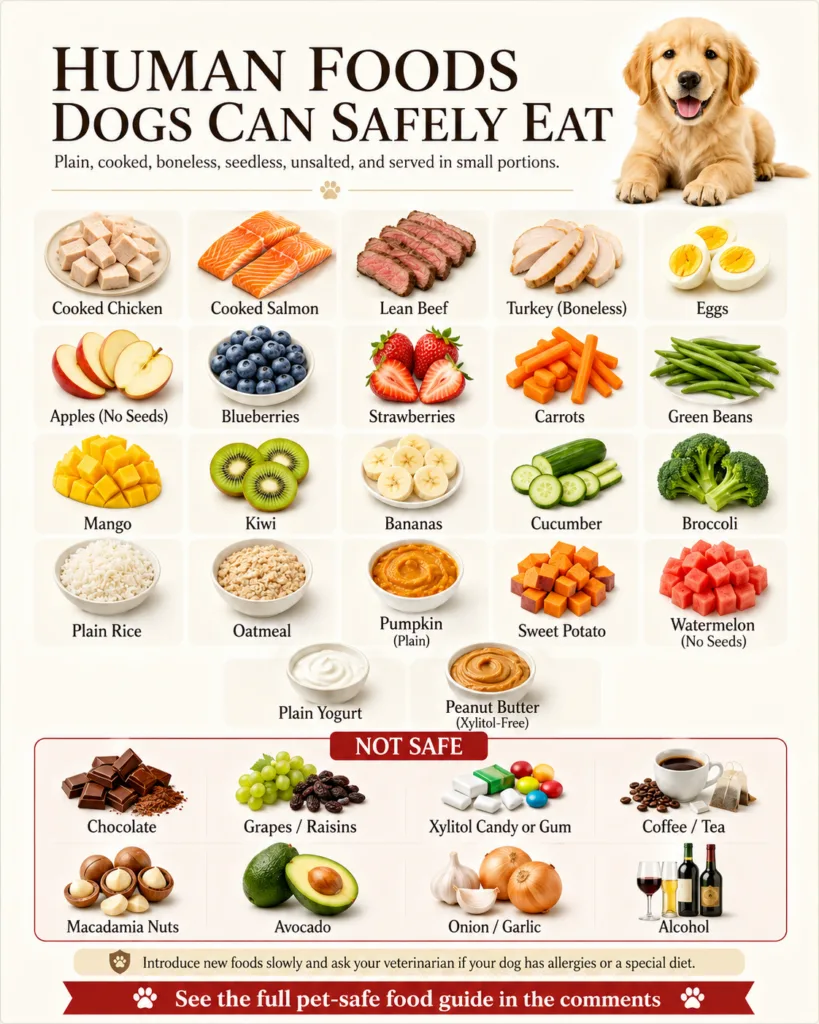 This handy guide can help you quickly identify safe and unsafe foods for your furry friend.
The Good Stuff: Human Foods Your Dog Can Enjoy Safely
When prepared correctly and served in moderation, many common human foods can be safe and even beneficial additions to your dog’s diet. Remember, these should always be treats, not replacements for their balanced dog food. Always offer foods plain, without any added seasonings, spices, salt, sugar, butter, or oils.
Lean Proteins
- Cooked Chicken: Plain, boneless, skinless, and cooked thoroughly. A fantastic source of lean protein.
- Cooked Salmon: Plain, boneless, and cooked. Rich in Omega-3 fatty acids, which are great for skin and coat health.
- Lean Beef: Cooked and unseasoned. Always trim off any excess fat before serving to avoid digestive upset.
Fruits (in moderation, always remove seeds/pits)
Fruits are packed with vitamins and fiber, but their natural sugar content means small portions are best. Always remove seeds, pits, and tough rinds, as these can be choking hazards or contain toxic compounds.
- Apples: Core and seeds removed. A crunchy treat that’s good for dental health.
- Blueberries & Strawberries: Small, antioxidant-rich berries that make a sweet, healthy snack.
- Bananas: High in potassium, but also sugar, so give in small slices as an occasional treat.
- Watermelon: Seedless and rind-free. This hydrating fruit is perfect for a hot day.
- Mango & Kiwi: Peel and remove the pit/seeds. These offer a good boost of vitamins.
Healthy Vegetables
Many veggies offer excellent nutrients and are low in calories, making them great snack options for your pup.
- Carrots: Great for dental health (the crunch helps clean teeth!) and a good source of Vitamin A.
- Green Beans & Cucumber: Low-calorie, crunchy snacks that are mostly water, great for hydration.
- Broccoli: Small amounts, cooked, as too much can cause gas or mild digestive upset due to certain compounds.
- Sweet Potato: Plain, cooked, and mashed or diced. Packed with vitamins and fiber, it’s excellent for digestive health.
- Pumpkin: Plain, canned pumpkin (not pie filling!) is a fantastic source of fiber and can help with both diarrhea and constipation.
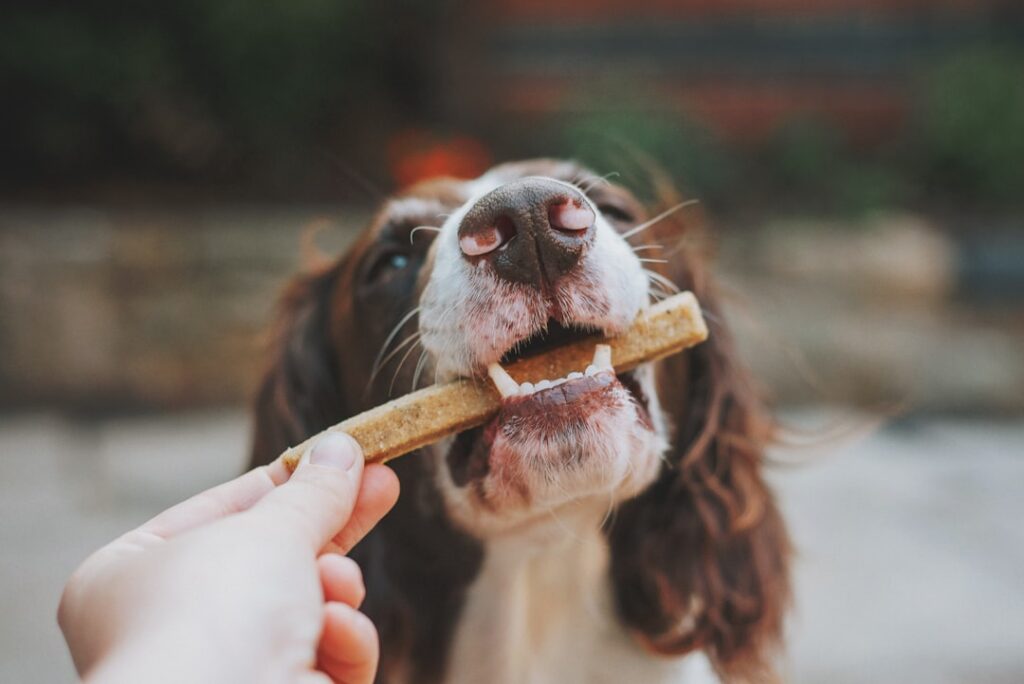 A simple carrot stick can be a delightful and healthy snack for your pup.
Grains & Dairy
- Plain Cooked Rice: Especially good for upset stomachs and easily digestible.
- Oatmeal: Plain, cooked with water (not milk), and unsweetened. It’s a good source of fiber.
- Plain Yogurt: Small amounts of plain, unsweetened yogurt can offer probiotic benefits for gut health. Always double-check that it contains no xylitol, an artificial sweetener that is highly toxic to dogs!
Hands Off! Foods That Are Dangerous for Dogs
Just as important as knowing what’s safe is knowing what to absolutely avoid. These foods can range from causing mild upset to severe, life-threatening conditions. When in doubt, it’s always best to err on the side of caution and keep these away from your dog.
Highly Toxic Foods – Avoid at All Costs!
- Chocolate: Contains theobromine, a stimulant that dogs can’t metabolize efficiently. Even small amounts can cause vomiting, diarrhea, tremors, and in severe cases, seizures or death. Dark chocolate is especially dangerous.
- Grapes & Raisins: Can cause acute kidney failure in dogs, even in small amounts. The exact toxin is still unknown, so complete avoidance is crucial.
- Xylitol: This artificial sweetener (found in sugar-free gum, candy, peanut butter, and some baked goods) is extremely toxic. It causes a rapid release of insulin, leading to a dangerous drop in blood sugar (hypoglycemia) and can cause liver failure. Always check labels carefully!
- Onion & Garlic: Members of the Allium family (which also includes chives, leeks, and shallots), they contain compounds that can damage a dog’s red blood cells, leading to anemia. This can happen with both raw and cooked forms.
- Macadamia Nuts: Can cause weakness, tremors, vomiting, hyperthermia, and depression. The exact mechanism of toxicity isn’t fully understood.
- Avocado: Contains ‘persin,’ which can be toxic to some animals. While dogs are more tolerant than birds, it’s generally best to avoid due to the high fat content, which can lead to digestive upset or pancreatitis, and the choking hazard of the large pit.
Other Foods to Avoid or Limit
- Alcohol & Caffeine: Obvious toxins for dogs, leading to severe health issues affecting their central nervous system and heart.
- Cooked Bones: They can splinter easily, causing internal injuries, choking, or dangerous blockages in the digestive tract. Raw bones carry risks of bacterial contamination and can still cause dental damage.
- Excessive Salt & Sugar: Too much salt can lead to sodium ion poisoning, causing vomiting, diarrhea, tremors, and seizures. Too much sugar can lead to obesity, dental issues, and diabetes over time.
- Fatty Foods & Greasy Scraps: Rich, fatty foods like bacon grease, fried items, or excessive fat trimmings can cause pancreatitis, a serious and painful inflammation of the pancreas.
- Yeast Dough: Raw yeast dough can rise in your dog’s warm stomach, causing painful gas and potentially a life-threatening bloat. The yeast can also produce alcohol as it ferments, leading to alcohol poisoning.
Important Tips for Sharing Food Safely
Even with safe foods, a little caution goes a long way to ensure your dog’s well-being:
- Introduce New Foods Slowly: Offer only a very small amount of a new food at a time to see how your dog reacts. Watch for any signs of digestive upset like vomiting or diarrhea.
- Portion Control is Key: Treats, even healthy ones, should make up no more than 10% of your dog’s daily calorie intake. Their main diet should come from a high-quality, balanced dog food.
- Always Consult Your Vet: If your dog has any underlying health conditions, known allergies, or if you’re ever unsure about a specific food, always check with your veterinarian first. They know your dog best!
- Plain is Always Best: As mentioned before, never add seasonings, spices, salt, sugar, butter, or oils to any food you share with your dog. What tastes good to us often isn’t good for them.
Bringing It All Together for Your Best Friend
Our dogs are cherished members of our families, and their health and happiness are top priorities. By keeping these guidelines in mind, you can safely share some wholesome human foods with your beloved canine companion, adding a little extra joy and variety to their diet without risking their health.
Your dog counts on you for their well-being, and being informed is one of the best ways to show them your love. So, next time you’re prepping a meal, remember these tips and treat your furry friend wisely. Happy treating!