In today’s world, a radiant smile is often seen as a reflection of confidence and well-being. While many commercial teeth whitening products promise dramatic results, an increasing number of people are turning to natural, DIY solutions. Among the most popular and intriguing is the combination of activated charcoal and lemon. This powerful duo offers a unique approach to tackling surface stains and brightening your smile, right from the comfort of your home.
But how do these seemingly simple ingredients work their magic? And more importantly, how can you use them safely and effectively to achieve the best results? Let’s delve into the science and steps behind this popular natural remedy.
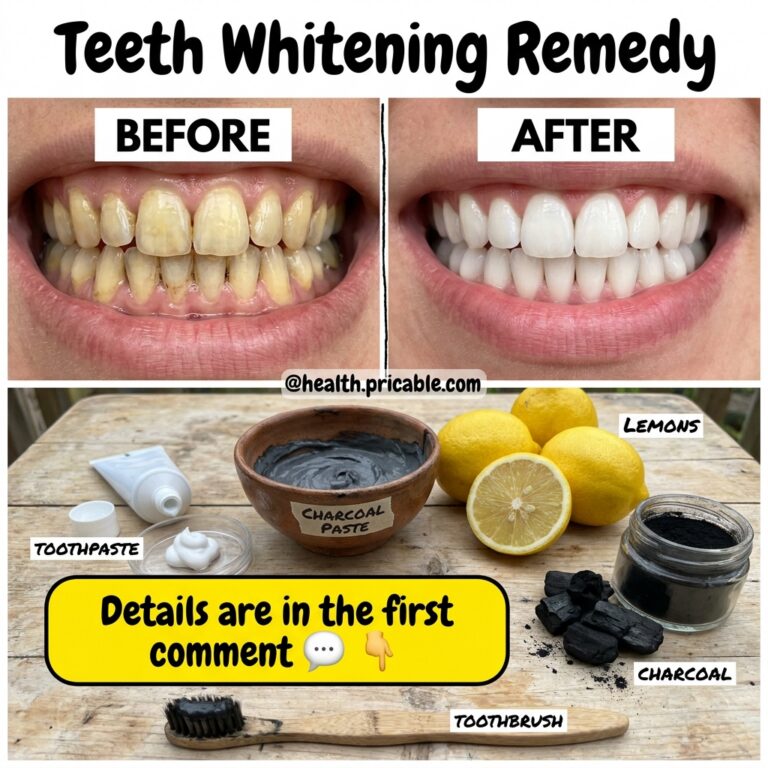 Witness the transformation and discover the natural ingredients behind this effective DIY teeth whitening solution.
The Power Duo: Activated Charcoal and Lemon
Activated Charcoal: The Natural Detoxifier
Activated charcoal is not your everyday barbecue charcoal. It’s a fine black powder made from bone char, coconut shells, peat, petroleum coke, coal, olive pits, or sawdust. It becomes ‘activated’ when it’s heated to high temperatures in the presence of a gas, creating a porous surface that can trap toxins and chemicals. This property makes it an excellent ingredient for absorbing surface stains on teeth, such as those caused by coffee, tea, wine, and certain foods.
- How it Works: Activated charcoal works through a process called adsorption, where it binds to rough parts of the teeth (which often harbor stains) and then lifts them away when rinsed. It acts like a magnet for impurities, gently scrubbing away discoloration without chemically bleaching the teeth.
Lemon: The Brightening Boost (with Caution)
Lemon juice is well-known for its natural bleaching properties, thanks to its citric acid content. It can help dissolve and break down certain surface stains, contributing to a brighter appearance. However, its acidity also comes with a caveat: overuse or improper application can erode tooth enamel, leading to sensitivity and potential long-term damage. This is why it’s crucial to use lemon judiciously and in combination with other ingredients that can mitigate its harshness.
- How it Works: The mild acidity of lemon juice can help lighten surface stains, while its refreshing scent leaves your mouth feeling clean. When combined with charcoal, it can enhance the stain-removing effect, but always remember to use it sparingly and ensure proper rinsing.
Your DIY Activated Charcoal and Lemon Teeth Whitening Recipe
Ready to try this natural approach to a brighter smile? Here’s how to create and use your own charcoal and lemon teeth whitening paste.
Ingredients You’ll Need:
- 1/2 teaspoon activated charcoal powder (ensure it’s food-grade or specifically for oral use)
- 1/4 teaspoon fresh lemon juice (preferably organic)
- A few drops of water (optional, to adjust consistency)
- A soft-bristled toothbrush (ideally, a separate one for charcoal to avoid staining your regular brush)
- Small non-metallic bowl and spoon for mixing
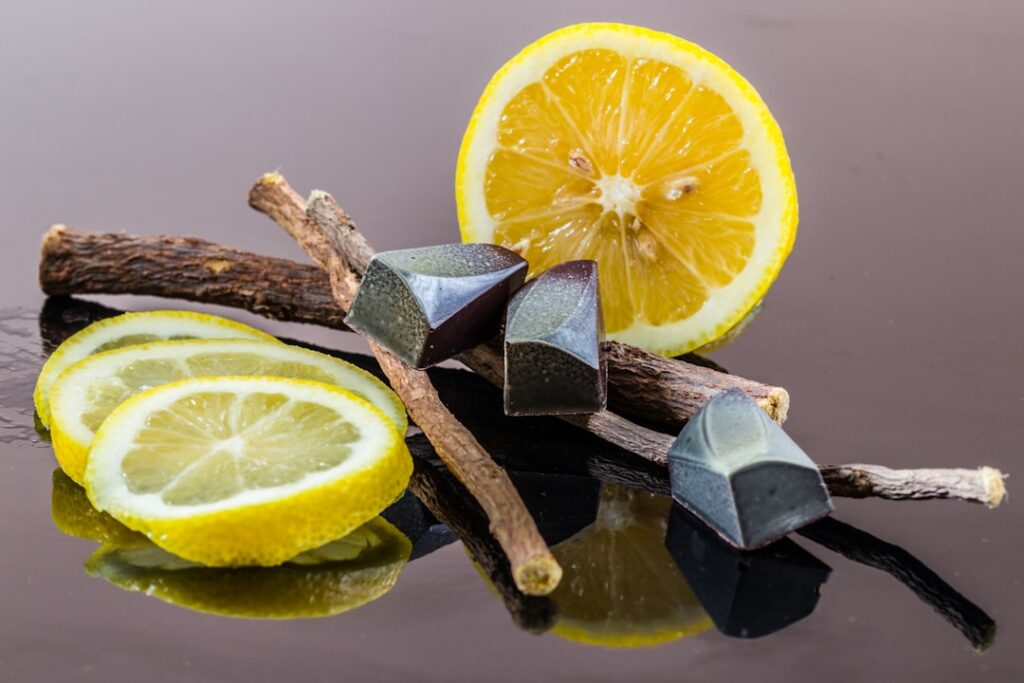 Gather your simple ingredients to create this natural teeth whitening paste.
Step-by-Step Instructions:
- Prepare Your Space: Activated charcoal can be messy and stain fabrics easily. Lay down a towel or paper towels around your sink area to protect surfaces.
- Mix the Paste: In your small non-metallic bowl, combine the 1/2 teaspoon of activated charcoal powder with 1/4 teaspoon of fresh lemon juice.
- Adjust Consistency (if needed): Stir well to form a paste. If it’s too thick, add a few drops of water until it reaches a consistency similar to regular toothpaste. It should be thick enough to stay on your toothbrush without dripping.
- Apply to Your Teeth: Dip your wet, soft-bristled toothbrush into the charcoal-lemon paste, ensuring it’s coated evenly.
- Brush Gently: Gently brush your teeth in small, circular motions for about 2 minutes. Focus on areas with noticeable stains. Avoid aggressive scrubbing, as this can be abrasive to your enamel.
- Let it Sit (Optional): For an enhanced effect, you can let the paste sit on your teeth for an additional 1-2 minutes, but do not exceed this time.
- Rinse Thoroughly: Spit out the paste into the sink (be careful, it’s black!). Rinse your mouth thoroughly with water until all charcoal residue is gone. You might need to rinse several times.
- Follow Up: Brush your teeth with your regular fluoride toothpaste to remove any remaining charcoal particles and to re-mineralize your enamel.
Important Precautions and Tips
- Frequency: Do not use this remedy daily. Activated charcoal can be abrasive, and lemon is acidic. Limit use to once or twice a week at most, and discontinue if you experience any sensitivity.
- Enamel Health: If you have sensitive teeth, receding gums, or compromised enamel, consult your dentist before trying this or any DIY whitening method.
- Crowns and Veneers: Activated charcoal primarily works on surface stains and may not affect the color of dental restorations like crowns, veneers, or fillings.
- Hydration: Drink plenty of water afterward to help rinse away any residual particles and keep your mouth hydrated.
- Separate Toothbrush: Using a dedicated toothbrush for charcoal will prevent your regular toothbrush from turning black.
- Listen to Your Body: If you notice any increased sensitivity, discomfort, or gum irritation, stop using the remedy immediately.
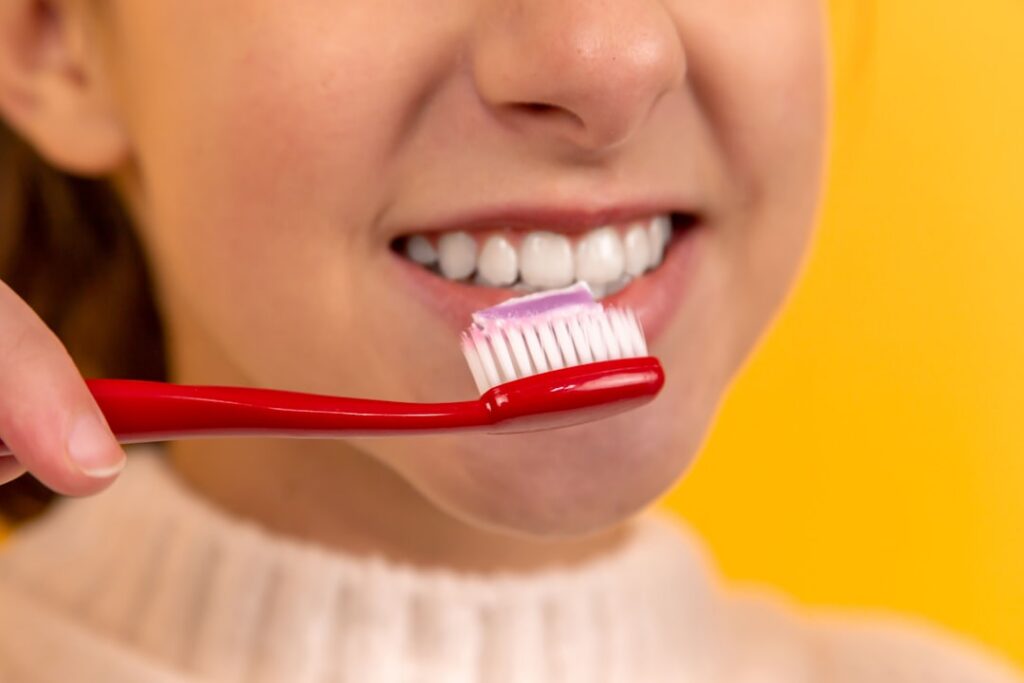 Remember to brush gently and follow up with thorough rinsing to protect your enamel.
Maintaining Your Brighter Smile
While this DIY recipe can help remove existing stains, maintaining your bright smile requires ongoing effort. Consider these tips:
- Oral Hygiene: Brush twice a day and floss daily.
- Diet: Limit consumption of stain-causing foods and beverages like coffee, tea, red wine, and berries. If you do consume them, rinse your mouth with water afterward.
- Regular Dental Check-ups: Professional cleanings can remove plaque and tartar buildup that contributes to discoloration.
Conclusion
The activated charcoal and lemon teeth whitening recipe offers a compelling natural alternative for those seeking a brighter smile. By understanding how each ingredient works and following the steps and precautions carefully, you can harness the power of nature to enhance your pearly whites. Remember, consistency and caution are key to achieving safe and satisfying results on your journey to a more radiant, confident smile.