Saffron, often dubbed the ‘Red Gold,’ holds the title of the world’s most expensive spice. Its distinctive flavor, aroma, and vibrant color have made it a coveted ingredient in cuisines and traditional remedies for centuries. While its price tag might seem daunting, the good news is that growing this luxurious spice at home is not only achievable but also incredibly rewarding. Imagine harvesting your own delicate threads, knowing exactly where they came from and the care that went into them.
This comprehensive guide will take you through every step of cultivating your own saffron, from understanding the plant’s needs to the joyful moment of harvest. Let’s unlock the secret to growing saffron at home!
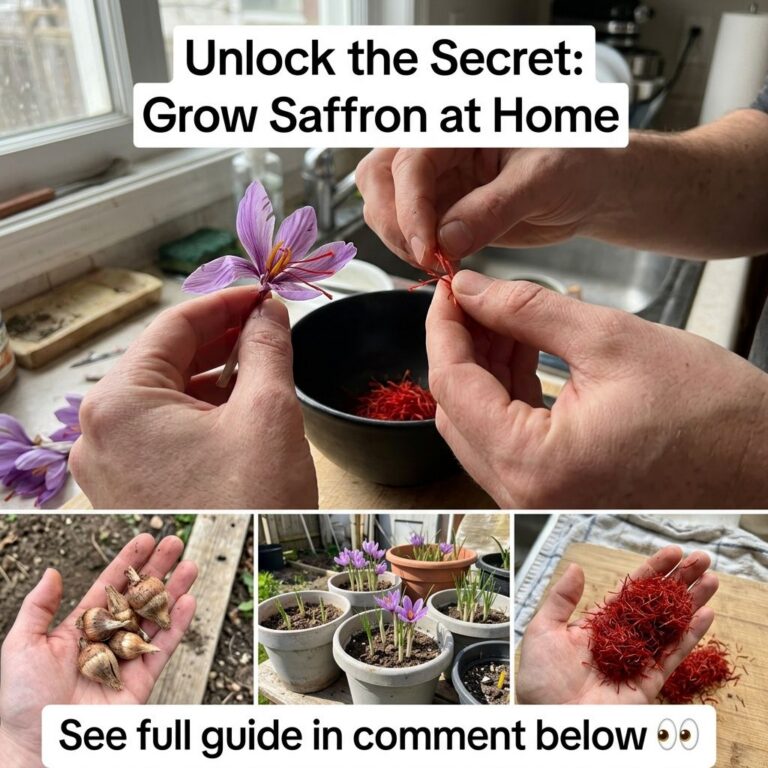
Why Grow Saffron at Home?
Cultivating saffron in your own garden or containers offers a host of benefits:
-
Cost Savings
Saffron’s high price is due to the labor-intensive harvesting of its delicate stigmas. Growing your own significantly cuts down on this expense, allowing you to enjoy more of this golden spice.
-
Unparalleled Freshness and Quality
Store-bought saffron can be old or, unfortunately, sometimes adulterated. Homegrown saffron guarantees you the freshest, purest, and most potent threads, free from additives.
-
The Joy of Gardening
There’s immense satisfaction in nurturing a plant from its humble beginnings to producing such a valuable product. It’s a unique addition to any garden, offering beautiful purple blooms.
-
Educational and Rewarding
It’s a fantastic project for gardeners of all levels, providing a deeper connection to your food and a greater appreciation for ancient agricultural practices.
Understanding Saffron: The Crocus Sativus Plant
Saffron comes from the Crocus sativus, a fascinating perennial plant belonging to the iris family. Unlike most plants that grow from seeds, saffron grows from corms – small, bulb-like underground stems. Each corm produces several flowers, and each flower typically yields three vibrant red stigmas, which are the saffron threads we cherish.
Ideal Growing Conditions
-
Climate: Saffron thrives in areas with hot, dry summers and cold winters (USDA Hardiness Zones 6-9). It needs a distinct dormant period during summer and cool temperatures for flowering in autumn.
-
Sunlight: Full sun is essential. Choose a spot that receives at least 6 hours of direct sunlight daily.
-
Soil: Well-draining soil is crucial to prevent corm rot. Saffron prefers a neutral to slightly acidic pH (6.0-8.0). Sandy loam is ideal. If you have heavy clay soil, amend it generously with organic matter like compost and sand.
Getting Started: What You’ll Need
Before you begin, gather your supplies:
-
Saffron Corms: Purchase high-quality, disease-free Crocus sativus corms from a reputable supplier. Ensure they are specifically for saffron, as many other crocuses exist.
-
Pots or Garden Bed: If planting in containers, choose pots at least 6-8 inches deep with good drainage holes. For garden beds, ensure the area is well-prepared.
-
Well-Draining Soil Mix: A mix of potting soil, sand, and compost works well for containers. For garden beds, amend native soil as described above.
-
Gardening Trowel or Spade
-
Gloves (optional)
Step-by-Step Guide to Growing Saffron
1. Choosing and Preparing Your Site
Select a location that receives full sun and has excellent drainage. If growing in a garden bed, loosen the soil to a depth of 8-10 inches and incorporate compost to improve fertility and drainage. For containers, fill them with your prepared well-draining soil mix.
2. Planting Saffron Corms
-
When to Plant: The best time to plant saffron corms is in late summer or early autumn (August to September in the Northern Hemisphere). This allows them to establish before flowering.
-
Depth and Spacing: Plant corms about 3-4 inches deep and 4-6 inches apart, with the pointed side facing upwards. If planting in rows, space rows about 6 inches apart. For containers, you can plant them a bit closer, ensuring they still have room to multiply.
-
Watering: After planting, water the corms thoroughly. They don’t need much water during their dormant summer period, but once growth begins in fall, they will need consistent moisture.
3. Watering and Care
-
Autumn-Winter: Keep the soil consistently moist but never waterlogged during the autumn and winter growing season. Reduce watering once the leaves start to yellow and die back in spring.
-
Spring-Summer: As the leaves die back, the plants enter dormancy. During this period, keep the soil mostly dry to prevent corm rot. Protect container-grown corms from excessive rain.
-
Fertilizing: Saffron generally doesn’t require heavy feeding. A balanced, slow-release fertilizer or a layer of compost applied in early autumn can be beneficial.
-
Winter Protection: In areas with very harsh winters, a layer of mulch (straw, leaves) can help protect outdoor corms. Container plants can be moved to a sheltered spot or garage if temperatures drop severely.
4. Pests and Diseases
Saffron crocuses are generally robust, but watch out for:
-
Rodents: Mice, squirrels, and voles might be attracted to corms. Consider planting in wire cages or using deterrents.
-
Fungal Diseases: Poor drainage can lead to corm rot. Ensure your soil is well-draining to prevent this.
The Grand Harvest: Collecting Your Saffron
This is the moment you’ve been waiting for! Saffron crocuses typically flower in mid to late autumn, usually 6-8 weeks after planting, or in subsequent years, around October to November.
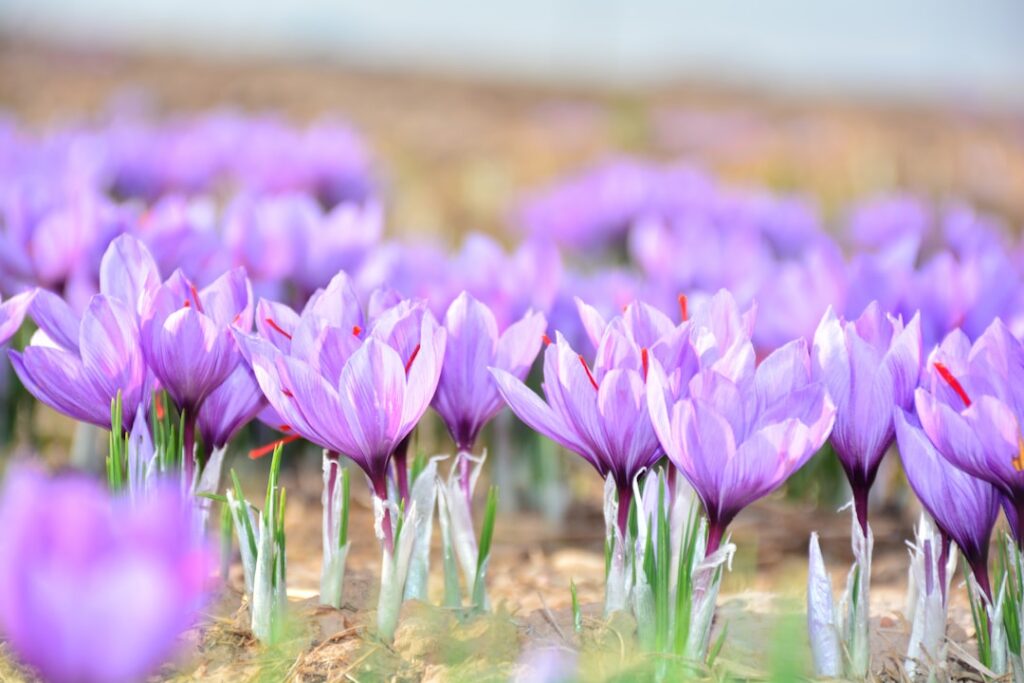
When and How to Harvest
-
Timing: Flowers emerge for only a few weeks. Harvest the stigmas early in the morning on the day the flowers open, as the sun can diminish their potency.
-
Method: Gently pluck or snip the three vibrant red stigmas from the center of each purple flower. As shown in many visuals, this is a delicate, hands-on process, highlighting why saffron is so valuable.
Drying and Storing Your Saffron
After harvesting, the fresh stigmas must be dried to preserve their flavor and aroma.
-
Drying: Spread the threads thinly on a paper towel or a fine mesh screen in a warm, dry room, away from direct sunlight. You can also use a food dehydrator on a very low setting (around 100-120°F / 38-49°C) for 20-30 minutes, or a warm oven with the door slightly ajar. The goal is for the threads to become brittle but not scorched.
-
Storage: Once completely dry, store your saffron in an airtight container in a cool, dark place. Properly dried and stored saffron can last for several years, though it’s best used within 1-2 years for optimal flavor.
Enjoying Your Homegrown Saffron
Now that you’ve harvested your precious spice, it’s time to enjoy it! Saffron is incredibly versatile:
-
Culinary Uses: Infuse stews, risottos, paellas, and desserts with its unique flavor and golden hue. A few threads go a long way!
-
Traditional Remedies: Saffron has a long history in traditional medicine for its potential mood-lifting and antioxidant properties. Always consult with a healthcare professional before using it for medicinal purposes.
Important Safety and Care Tips
-
Authenticity: Ensure you purchase genuine Crocus sativus corms from a trusted source. Many other crocus varieties exist, but only Crocus sativus produces culinary saffron.
-
Moderation: While delicious, saffron is potent. Ingesting very large quantities (several grams) can be harmful, though this is highly unlikely with culinary use.
-
Patience: Growing saffron requires a bit of patience, especially in the first year, but the reward is truly worth the wait.
Conclusion
Growing saffron at home is a wonderfully enriching experience that connects you with one of the world’s most ancient and revered spices. From the satisfaction of seeing the delicate purple blooms to the joy of harvesting your own ‘Red Gold,’ it’s a journey that offers beauty, flavor, and a deeper appreciation for nature’s bounty. So, roll up your sleeves, get your corms, and embark on your own saffron cultivation adventure!