Most people walk past it, or might not even recognize it in its various forms, but one plant, often overlooked in the modern world, has been a cornerstone of traditional folk medicine for generations. We’re talking about Moringa, a resilient tree whose leaves, pods, and seeds have been cherished in various cultures for their supportive qualities. While not a ‘new’ discovery, its practical applications in home remedies continue to be a subject of curiosity and interest.

What is Moringa?
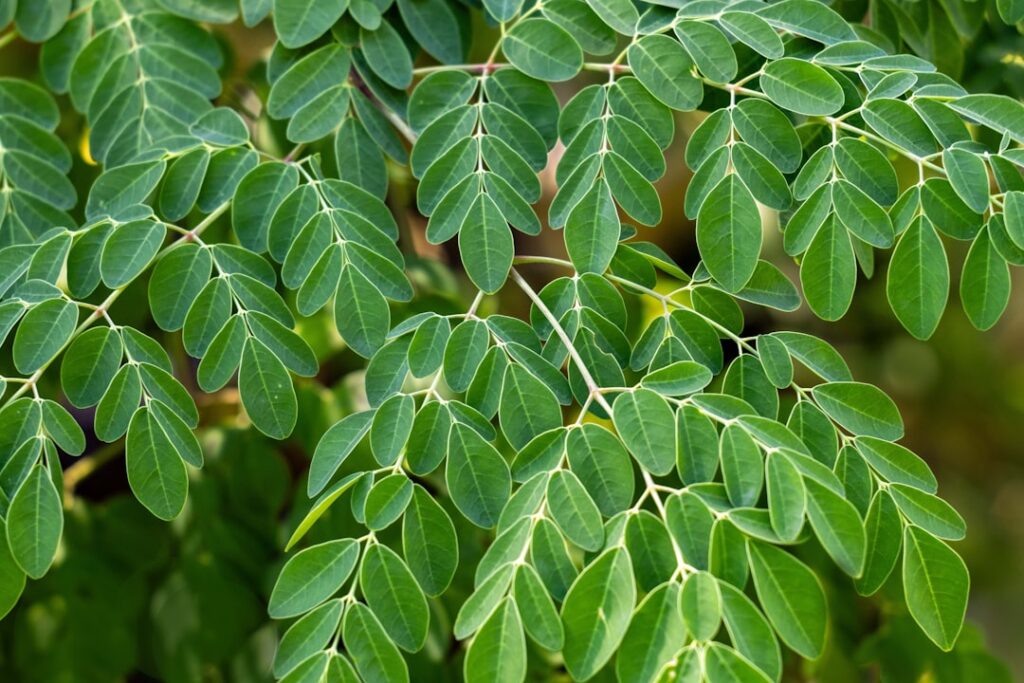
Known scientifically as Moringa oleifera, this fast-growing, drought-resistant tree is native to India but is now cultivated in tropical and subtropical regions worldwide. Often called the ‘drumstick tree’ (referring to its long, slender pods) or ‘miracle tree’ in popular lore, it is in traditional practices that its value truly shines. Folk traditions have long incorporated its leaves into various preparations, recognizing its properties as a supportive herb rather than a cure.
The Traditional Moringa Leaf Tea: A Simple Folk Remedy
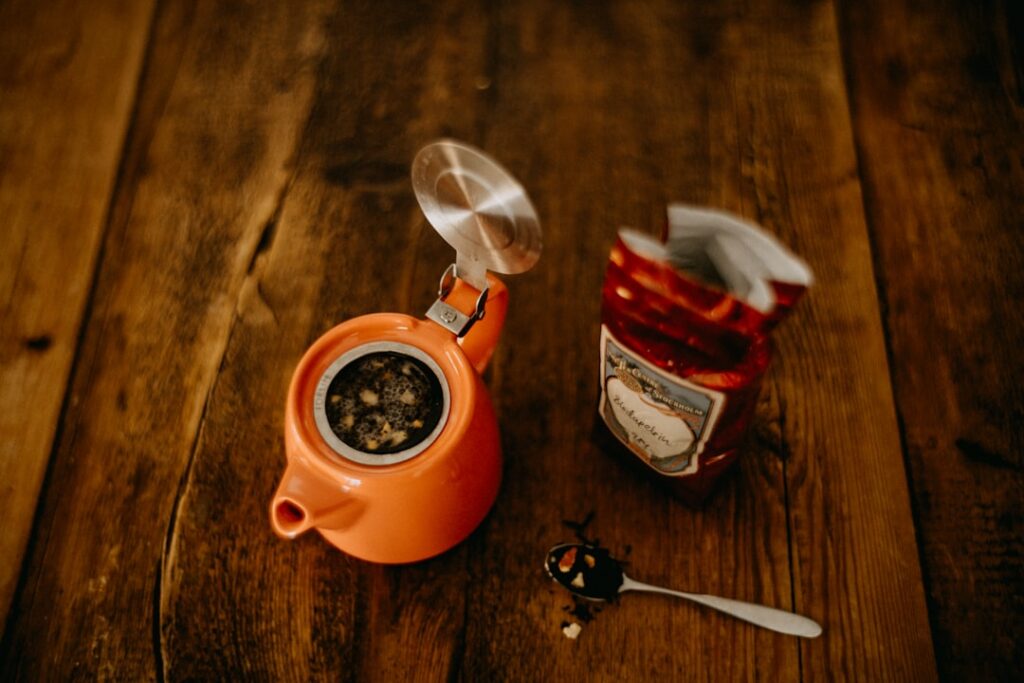
One of the most common and accessible ways to integrate Moringa into your home remedy routine is through a simple leaf tea. This preparation is a gentle way to experience the plant, rooted in generations of use.
Ingredients:
- Fresh Moringa leaves (about 1/4 cup, loosely packed) OR
- Dried Moringa leaf powder (1 teaspoon)
- Water (1 cup)
- Optional: Honey or a slice of lemon for taste
Approximate Measurements:
The measurements above are a good starting point for a single serving. For a stronger brew, you might increase the leaves slightly, but it’s often best to start mild and adjust to your preference. Consistency in preparation helps you gauge its effects better.
Formula/Method:
Purpose:
To create a simple, warm infusion for general well-being, as practiced in folk traditions.
- Gather Your Leaves: If using fresh leaves, gently pluck them from the stem. Wash them thoroughly under cool, running water to remove any dust or impurities. If using dried powder, simply measure it out.
- Heat the Water: Bring one cup of fresh water to a boil in a small pot or kettle.
- Infuse: Once the water boils, remove it from the heat. Add the fresh Moringa leaves or dried powder directly into the hot water.
- Steep: Cover the pot or mug to trap the beneficial compounds. Allow the tea to steep for 5-7 minutes. For a stronger infusion, you can steep for up to 10 minutes.
- Strain: Strain the liquid into a cup, discarding the used leaves or allowing the powder to settle at the bottom if you prefer not to strain.
- Serve: Enjoy warm. Add honey or lemon if desired for flavor.
How to Use
Moringa leaf tea is typically consumed as a warm beverage. It can be a part of your daily routine. Beyond tea, dried Moringa powder can also be added to smoothies, sprinkled over salads, or mixed into soups, acting as a green superfood supplement in modern diets, reflecting its traditional use as a general health tonic.
How Often to Use
For most individuals, one cup of Moringa tea per day is a common practice in folk traditions. Some may choose to have it two times a day. It’s always best to observe how your body responds and adjust accordingly. As with any traditional remedy, consistency is key, but moderation is also important.
How to Buy / How to Choose Ingredients
Choosing quality Moringa is crucial. Look for:
- Fresh Leaves: If you have access, choose vibrant green leaves that show no signs of wilting or discoloration. Ideally, source from organic, unsprayed plants.
- Dried Powder: Opt for organic, reputable brands. The powder should be a bright, rich green color, indicating freshness and proper drying. Avoid powders that appear dull, brown, or have an off-smell.
- Ethical Sourcing: Whenever possible, choose products that are sustainably and ethically sourced.
Quick Tip: Fresh vs. Dried
While fresh leaves offer the most direct experience, dried powder is a convenient and concentrated form. Both are valid in traditional use, but the powder allows for easier storage and consistent dosing year-round.
Comparison: Fresh Moringa Leaves vs. Dried Moringa Powder
| Feature | Fresh Moringa Leaves | Dried Moringa Powder |
|---|---|---|
| Preparation | Brewed as tea, added to cooking | Mixed into drinks, food; brewed as tea |
| Storage | Refrigerate for a few days, or freeze | Cool, dark, dry place; lasts months |
| Potency (Traditional) | Thought to be more ‘vibrant’ | Concentrated, easier to dose |
| Availability | Seasonal, regional | Year-round, widely available |
Storage
- Fresh Leaves: Store fresh Moringa leaves in a breathable bag in the refrigerator for up to 3-5 days. For longer storage, you can blanch and freeze them, or dry them yourself.
- Dried Powder: Keep dried Moringa powder in an airtight container away from direct sunlight, heat, and moisture. A cool, dark pantry is ideal. It can maintain its quality for 6-12 months.
- Prepared Tea: Best consumed fresh. If you have leftovers, refrigerate in a sealed container for no more than 24 hours.
Practical Tips
- Start Small: Especially if you’re new to Moringa, begin with smaller amounts and gradually increase to see how your body responds.
- Combine with Flavor: If the earthy taste of Moringa is not to your liking, combine it with mint, ginger, or lemon in your tea, or blend it into fruit smoothies.
- Consistency: For any perceived supportive effects from traditional use, regular and consistent intake is often emphasized over sporadic large doses.
Common Mistakes
- Overheating Dried Powder: Boiling dried Moringa powder directly can degrade some of its compounds. Always add it to water that has just come off the boil, or to cool foods.
- Using Stems in Tea: While the stems aren’t harmful, they can make the tea bitter and don’t offer the same concentration of desirable compounds as the leaves. Stick to the leaf material.
- Expecting Instant Results: As with many traditional remedies, the perceived benefits of Moringa are often seen with consistent, long-term use, not as an immediate ‘fix’.
- Incorrect Storage: Exposing dried powder to light and air can reduce its potency and shorten its shelf life.
Cautions / Who Should Avoid It
While generally considered safe for most people in moderation within traditional folk practices, there are a few considerations:
- Pregnancy and Breastfeeding: There is insufficient scientific evidence regarding Moringa’s safety during pregnancy and breastfeeding. It’s best to avoid it or consult a healthcare professional.
- Medication Interactions: Moringa may interact with certain medications, particularly those for blood sugar control, blood thinners, and thyroid hormones.
Consult your doctor before adding Moringa to your routine, especially if you are on medication.
- Lowering Blood Sugar/Blood Pressure: Individuals already on medication for these conditions should use Moringa with caution and monitor their levels, as it may have additive effects according to some traditional accounts.
Moringa is not a cure for any disease and should not replace professional medical advice or prescribed treatments.
Quick Summary
Moringa, a traditionally valued plant, is often used as a supportive herb. The easiest preparation is a simple leaf tea or by adding dried powder to food. Store fresh leaves briefly in the fridge or freeze; keep dried powder in an airtight, cool, dark place. Use consistently, but in moderation. Avoid if pregnant/breastfeeding or if on certain medications, and always consult a healthcare professional for health concerns. Read more about other traditional remedies on our site: Understanding Herbal Infusions
FAQ
- Can I use fresh or dried Moringa leaves for tea?
Yes, both are suitable. Fresh leaves provide a vibrant flavor, while dried powder is convenient and concentrated. - How long does fresh Moringa last?
Fresh leaves will last 3-5 days in the refrigerator. - Can I refrigerate Moringa tea?
It’s best consumed fresh, but you can refrigerate it for up to 24 hours in a sealed container. - How often should I use Moringa tea?
Many folk traditions suggest one cup daily, adjusting based on personal response. - What part of the Moringa plant is best for remedies?
The leaves are most commonly used for teas and powders in traditional remedies. - Can I reuse the Moringa leaves for a second brew?
While possible, the second brew will likely be much weaker in flavor and perceived supportive compounds. - When should I avoid Moringa?
Avoid if pregnant or breastfeeding, and consult a doctor if you are on medication for blood sugar, blood pressure, or thyroid issues. - Does Moringa have a strong taste?
Moringa has an earthy, slightly grassy flavor. It can be quite mild, but some find it strong, especially in higher concentrations.
Conclusion
Moringa’s journey from an ‘ignored plant’ to a recognized supportive herb in traditional practices highlights the enduring wisdom found in folk remedies. By understanding how to prepare, use, and store it correctly, you can responsibly explore this plant’s potential as a simple addition to your wellness routine, always remembering to prioritize safety and professional medical advice when needed. Continue learning more about powerful plants: The Benefits of Nettle Leaf