Most people ignore or outright discard avocados once they’ve gone past that perfect, creamy state. You know the ones – a little too soft, a few brown spots, not quite appealing for your toast or guacamole. But what if we told you those ‘past their prime’ avocados are a hidden treasure, ripe for a simple DIY remedy that can save you money and give you a powerful natural oil?
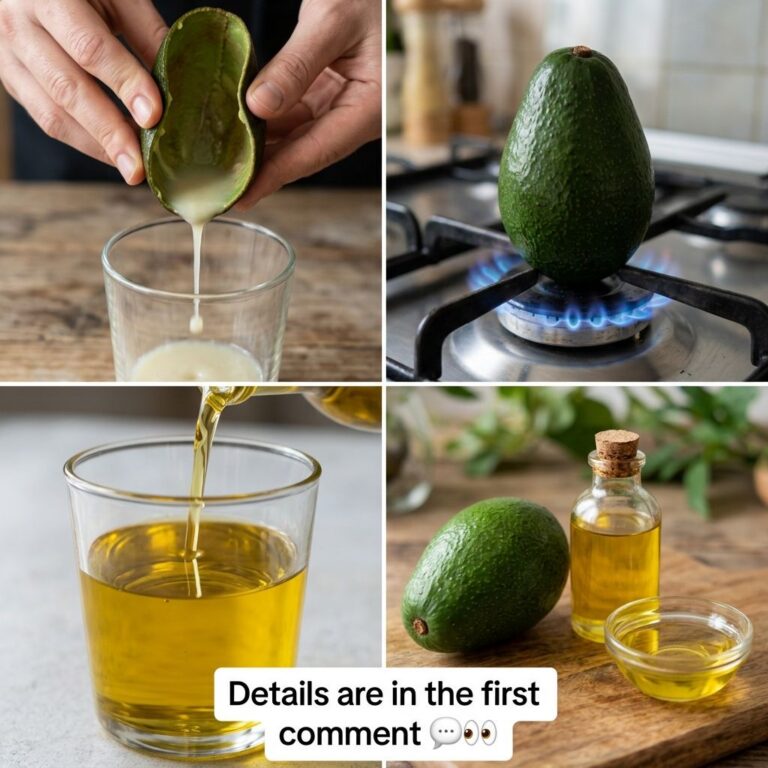
Instead of tossing them, you can transform these overlooked fruits into your own supply of rich, nourishing avocado oil. It’s a surprisingly straightforward process that unlocks the valuable lipids and nutrients, turning waste into a versatile, all-natural ingredient for your kitchen, skin, and hair. Forget expensive store-bought versions; your next batch of potent avocado oil could come from the very avocados you were about to throw away.
What is DIY Avocado Oil?
DIY avocado oil is exactly what it sounds like: extracting oil from avocado fruit at home. While commercial methods often involve complex machinery, the home version is a scaled-down, accessible process that primarily uses heat and separation. The beauty of this remedy is its focus on utilizing avocados that are often discarded due to ripeness, making it a sustainable and cost-effective approach to obtaining a nutrient-dense oil.
The oil is known for its high content of monounsaturated fats, particularly oleic acid, as well as vitamins E, A, D, and various antioxidants. These components make it a powerhouse for culinary uses, offering a high smoke point for cooking, and for topical applications, deeply moisturizing and nourishing the skin and hair.
Ingredients You’ll Need
Making your own avocado oil requires minimal ingredients, primarily focusing on the fruit itself.
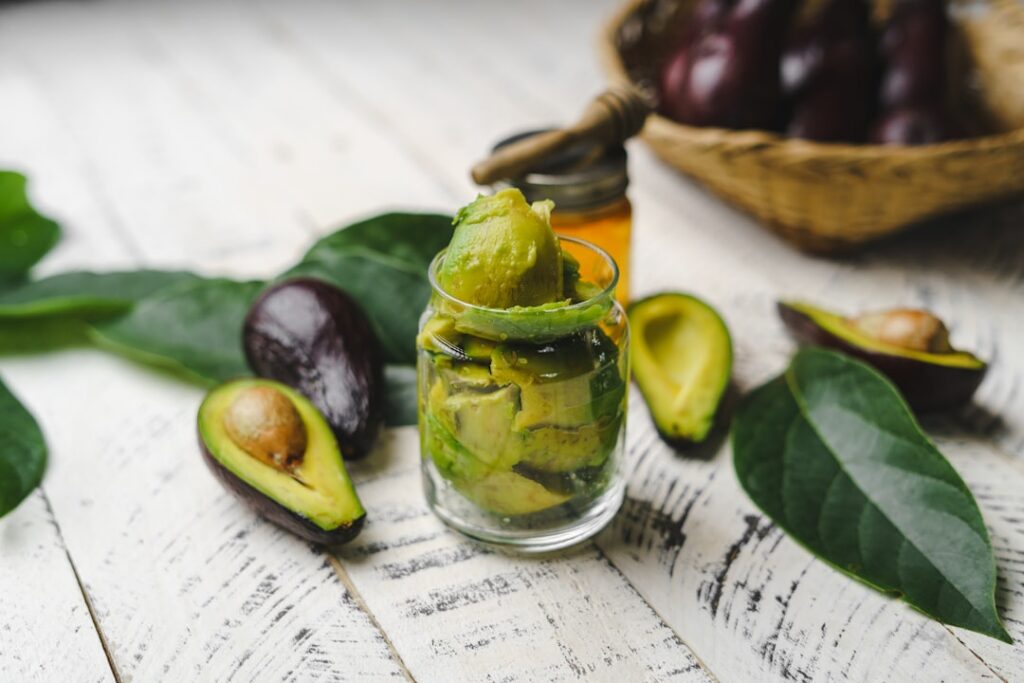
- Overripe Avocados: The star of the show! Look for avocados that are very soft to the touch, or even slightly bruised or discolored internally. The softer they are, the easier the oil extraction. Avoid any with mold or a truly foul smell, but internal browning is fine.
- Water: For the slow-cook method, a small amount of water helps in the initial mashing and aids in oil separation.
Approximate Measurements
The yield of avocado oil can vary significantly depending on the ripeness, size, and variety of the avocados. As a general guide:
- 6-8 medium to large overripe avocados: This quantity typically yields about 1/4 to 1/2 cup (60-120 ml) of oil. It might seem small, but this concentrated oil goes a long way.
- 1/2 cup (120 ml) water: (Optional, for slow-cook method)
The Simple Formula: Extracting Avocado Oil
There are a few ways to extract avocado oil at home, but we’ll focus on the most effective and commonly used method that involves gentle heat to release the oil.
The Slow-Cook/Water Bath Method: This technique uses low heat to dehydrate the avocado pulp, causing the oil to separate and rise to the top.
Step-by-Step Method
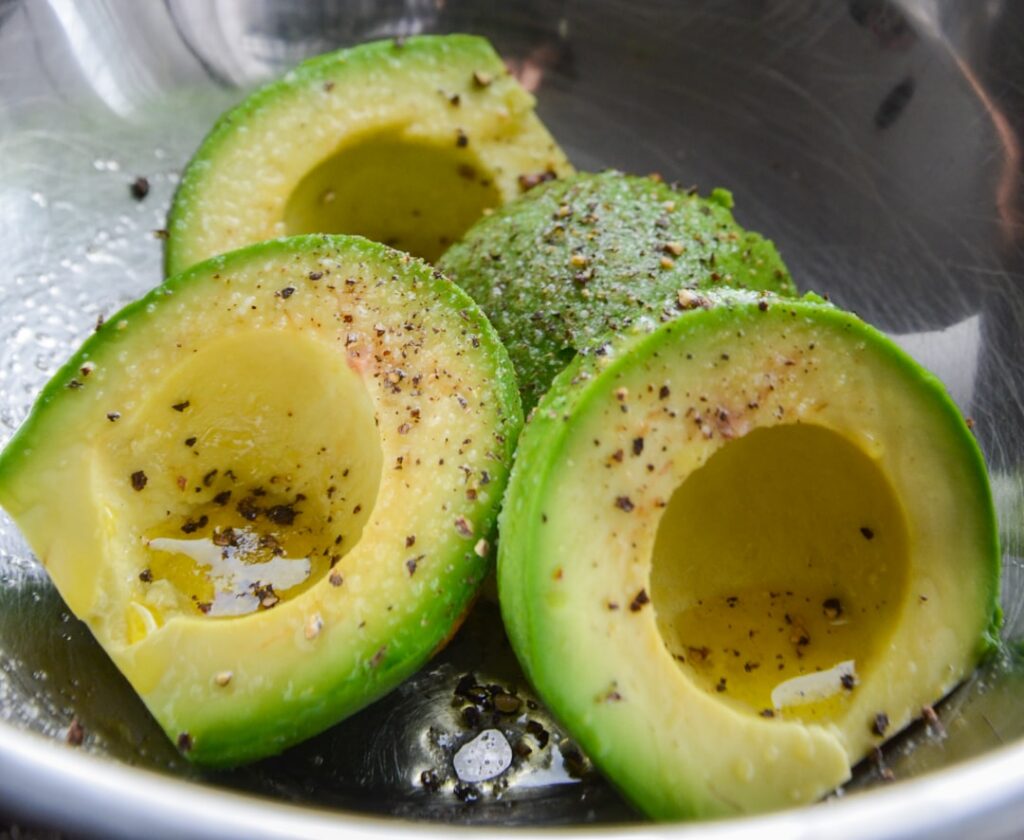
- Prepare the Avocados: Cut your overripe avocados in half, remove the pits, and scoop out all the flesh into a large bowl.
- Mash the Pulp: Using a fork or potato masher, thoroughly mash the avocado flesh until it forms a smooth, lump-free paste. The smoother, the better for oil extraction. Add 1/2 cup water if the mixture seems too thick to mash easily.
- Gentle Heat: Transfer the mashed avocado pulp into a non-stick pot or a heavy-bottomed pan. Place it over very low heat. This is crucial – you don’t want to cook or burn the avocado, just gently warm it to start the dehydration process.
- Stir and Dehydrate: Continuously stir the mixture with a wooden spoon or spatula. As the water evaporates, the pulp will gradually darken and thicken, eventually clumping together and forming a darker, drier mass. Continue stirring and cooking for 30-60 minutes, or until the pulp becomes very dark, almost brownish-green, and begins to separate from the oil. You’ll notice glistening oil starting to pool around the edges.
- Extract the Oil: Once the pulp is dry and the oil is visible, remove the pot from the heat. Allow it to cool slightly.
- Strain the Oil: Place a fine-mesh strainer or a cheesecloth (doubled or tripled) over a clean, heat-proof bowl or jar. Spoon the cooked avocado pulp into the strainer. Using the back of a spoon or your hands (once cooled enough), press firmly on the pulp to squeeze out all the oil. You can also gather the cheesecloth and twist it tightly to extract every last drop.
- Final Filtration (Optional): For a clearer oil, you can filter it again through a fresh piece of cheesecloth or a coffee filter once it has settled.
How to Use Your Homemade Avocado Oil
Your DIY avocado oil is incredibly versatile. Here are some popular uses:
- Culinary: Use it as a healthy cooking oil for sautéing, roasting, or grilling due to its high smoke point. It also makes a fantastic base for salad dressings or a drizzle over finished dishes for a rich, buttery flavor.
- Skincare: A powerful moisturizer. Apply a few drops directly to dry skin, cuticles, or mix into your regular moisturizer. It’s excellent for soothing dry patches and promoting skin elasticity.
- Hair Care: Massage a small amount into your scalp and hair ends to nourish and add shine. Leave it in for 30 minutes as a pre-shampoo treatment, or use a tiny bit as a leave-in conditioner for frizz control.
- Massage Oil: Its rich texture makes it an ideal base for massage, either on its own or infused with essential oils.
Quick Tip: Maximize Your Yield
The drier you get the pulp, the more oil you’ll extract. Don’t rush the dehydration process on the stove. Continuous, gentle stirring is your best friend here.
How Often to Use
- Cooking: As often as you’d use any other healthy cooking oil.
- Skincare: Daily, or as needed for dry skin. Start with small amounts.
- Hair Care: 1-2 times a week as a treatment, or a tiny amount daily for styling/frizz control.
How to Choose Overripe Avocados
The key here is embracing imperfection. Look for:
- Very Soft Texture: When squeezed gently, the avocado should yield significantly.
- Dark Skin: Often a very dark purple or black skin, though some varieties remain green.
- Internal Brown Spots: Don’t be afraid of the occasional brown streak or spot inside once you cut it open. This is perfectly fine for oil extraction, as long as there’s no mold or rancid smell.
- Avoid: Any avocados that show visible mold, a truly rotten smell, or appear completely liquified and putrid.
Storage
Proper storage is essential to maintain the quality and extend the shelf life of your homemade avocado oil.
- Airtight Container: Store your freshly made oil in a clean, dry, airtight glass bottle or jar.
- Cool, Dark Place: Keep it away from direct sunlight and heat. A pantry or cupboard is ideal.
- Refrigeration: While not strictly necessary, refrigerating homemade avocado oil can extend its shelf life, especially if you live in a warm climate. It may solidify or become cloudy in the fridge, but this is normal and it will return to liquid at room temperature.
- Shelf Life: Homemade avocado oil typically lasts 3-6 months when stored correctly. Always check for any off-smell or rancidity before use.
Practical Tips for Success
- Patience is Key: The dehydration process takes time. Don’t crank up the heat to speed things up, or you risk burning the pulp and ruining the oil’s flavor and quality.
- Cleanliness: Ensure all your equipment (bowls, pots, strainers, bottles) are spotless to prevent contamination and extend the oil’s shelf life.
- Don’t Waste the Pulp: After oil extraction, the remaining pulp can be added to compost.
- Flavor Infusion: Once you’ve successfully made plain avocado oil, consider infusing small batches with herbs like rosemary or garlic for culinary uses, or lavender for cosmetic purposes.
You may also like: The Complete Guide to DIY Herbal Infused Oils
Common Mistakes to Avoid
- Using Underripe Avocados: Hard, unripe avocados yield very little oil and are difficult to mash and process.
- Overheating the Pulp: Too high heat will scorch the avocado, imparting a burnt taste to the oil and potentially destroying some of its beneficial compounds. Keep it low and slow.
- Insufficient Dehydration: If the pulp isn’t dry enough, residual water in the oil can lead to spoilage (mold or rancidity) much faster.
- Improper Storage: Leaving the oil in an open container or exposed to light and heat will significantly shorten its shelf life.
- Not Straining Thoroughly: Any remaining pulp particles in the oil can also contribute to quicker spoilage. Use a very fine strainer or cheesecloth.
Read more: 5 Natural Remedies for Persistent Dry Skin
Cautions / Who Should Avoid It
- Avocado Allergy: Individuals with a known avocado allergy should avoid using homemade avocado oil, both internally and topically.
- Purity Concerns: While generally safe, homemade oils may not have the same purity or shelf stability as commercially processed oils. Use common sense, and discard if there’s any sign of rancidity or mold.
- Medical Conditions: If you have specific skin conditions or are on medications, consult with a healthcare professional before using new topical remedies.
Quick Summary: Homemade Avocado Oil
Transforming overripe avocados into oil is a smart, sustainable remedy. The process involves mashing the fruit, gently heating it to dehydrate the pulp and separate the oil, and then straining. Best used for cooking, skin moisturizing, or hair conditioning. Store in an airtight container in a cool, dark place for 3-6 months. Avoid using underripe fruit or high heat.
| Application Type | Best Use-Case | Key Benefit |
|---|---|---|
| Culinary | Sautéing, roasting, salad dressings | High smoke point, healthy fats, rich flavor |
| Cosmetic | Skin moisturizer, hair conditioner, massage oil | Deep hydration, vitamins A, D, E, antioxidants |
Frequently Asked Questions (FAQ)
- Q: Can I use fresh, firm avocados?
- A: While technically possible, it’s not recommended for oil extraction at home. Underripe avocados contain less oil, are harder to mash, and yield a much lower quantity, making the effort less worthwhile.
- Q: How can I tell if my homemade avocado oil has gone bad?
- A: Rancid oil will have an unpleasant, strong, sometimes metallic or waxy smell and taste. It might also look cloudy or have a darker color than when it was fresh. When in doubt, it’s best to discard it.
- Q: Does the oil retain all the nutrients of a fresh avocado?
- A: The oil retains many of the fat-soluble vitamins (like E, A, D) and beneficial fatty acids. However, some heat-sensitive compounds might be reduced during the extraction process compared to consuming the raw fruit.
- Q: Can I use a dehydrator instead of the stove?
- A: Yes, you can dehydrate the mashed avocado pulp in a food dehydrator on a low setting (around 105-115°F / 40-46°C) until completely dry. Then, wrap the dried pulp in cheesecloth and squeeze out the oil. This method avoids direct heat.
- Q: Why is my oil green? Is that normal?
- A: Yes, homemade avocado oil often has a greenish hue due to chlorophyll and other plant pigments present in the fruit, especially if your avocados were very green inside. Commercial oils are often refined to remove this color.
- Q: Can I reuse the leftover pulp for anything?
- A: After the oil is extracted, the pulp is mostly fibrous material with very little nutritional value left. It’s best used for composting rather than consumption.
Conclusion
Next time you find those avocados past their prime, don’t reach for the trash bin. See them as an opportunity to create a valuable, all-natural remedy right in your own kitchen. This simple DIY avocado oil not only provides a rich, versatile ingredient for your health and home but also champions a mindful, zero-waste approach to natural living. Embrace the imperfect fruit and unlock its hidden potential!
Continue with: The Surprising Benefits of Avocado for Skin and Hair