Are you one of the many who often find themselves searching for gentle, natural ways to alleviate persistent lower back discomfort? You’re not alone. While modern medicine offers numerous solutions, there’s a growing interest in turning to time-tested herbal remedies that have been utilized for centuries. Today, we’re shining a spotlight on a powerful plant often overlooked: the humble thistle, a botanical ally that holds ancient secrets for modern relief.
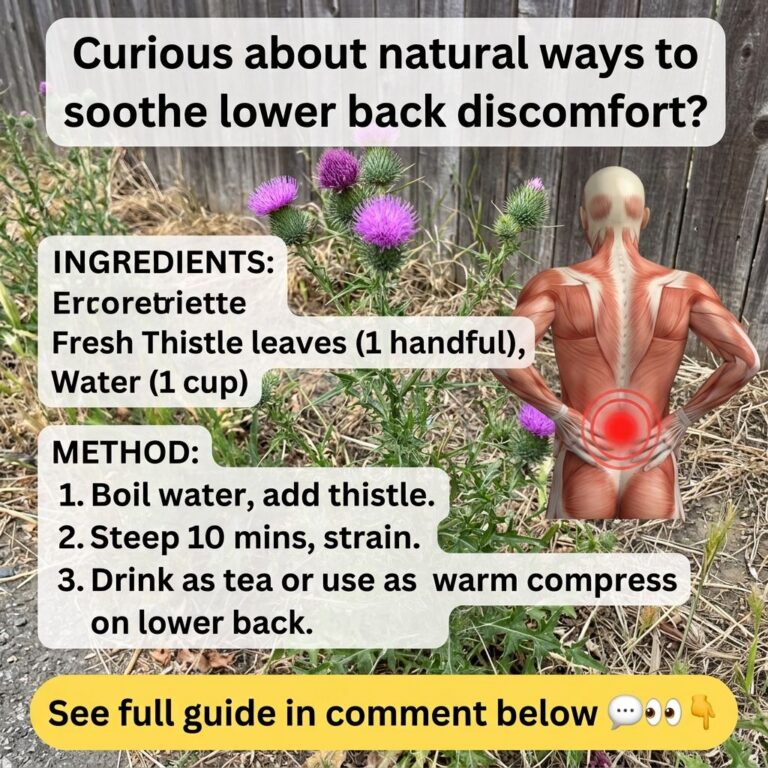
As you may have seen in our recent social media graphic, thistle offers a promising avenue for those exploring natural pathways to wellness. Let’s dive deeper into how this resilient plant can be prepared and used to target lower back woes, offering a comforting embrace from nature.
Understanding Thistle: Nature’s Resilient Healer
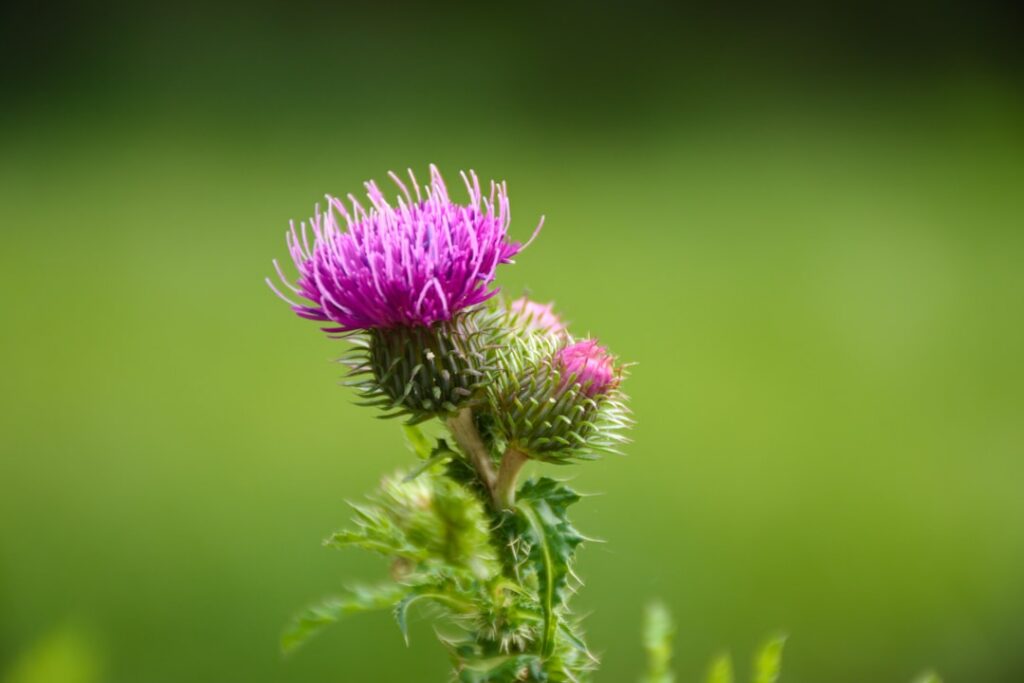
Often perceived as a prickly weed, various species of thistle, such as Milk Thistle (Silybum marianum) or Blessed Thistle (Cnicus benedictus), have long been revered in traditional medicine for their therapeutic properties. While Milk Thistle is most famous for its liver-protective qualities, other thistles have been traditionally used for their anti-inflammatory and pain-relieving effects, making them interesting candidates for topical applications to ease muscle and joint discomfort.
The mechanisms behind thistle’s potential benefits for discomfort often involve its rich array of bioactive compounds, including flavonoids and other antioxidants. These compounds may help to reduce inflammation, which is often a significant contributor to lower back pain. By calming inflammatory pathways, thistle could help soothe irritated tissues and promote a sense of relief.
DIY Thistle Compress for Lower Back Comfort
One of the most effective ways to utilize thistle for localized relief is through a warm compress. This method allows the beneficial compounds to be absorbed directly into the affected area, providing targeted comfort. Here’s a simple, step-by-step guide to preparing your own thistle compress.
Ingredients You’ll Need:
- Fresh or dried thistle leaves and stems (ensure you identify the plant correctly and source it from a clean, pesticide-free area)
- Clean water
- A clean cloth or towel
- A pot for boiling
Method:
- Prepare the Thistle: If using fresh thistle, carefully wash the leaves and stems to remove any dirt or insects. For dried thistle, simply measure out about a handful.
- Simmer the Thistle: Place the thistle (fresh or dried) into a pot with enough water to cover it completely. Bring the water to a gentle simmer and let it cook for about 15-20 minutes. This process helps to extract the beneficial compounds from the plant material.
- Strain the Infusion: Carefully strain the liquid into a bowl, discarding the plant material. You want a strong, warm herbal infusion.
- Prepare the Compress: Allow the liquid to cool slightly until it’s comfortably warm to the touch – not scalding hot. Dip your clean cloth or towel into the warm thistle infusion, ensuring it’s thoroughly saturated.
- Apply the Compress: Wring out the excess liquid from the cloth so it’s damp but not dripping. Gently apply the warm compress to your lower back area.
- Relax and Reapply: Lie down in a comfortable position and allow the compress to sit on your lower back for 20-30 minutes. You can re-soak the cloth in the warm infusion and reapply as needed if it cools down. Repeat this process 2-3 times a day or as often as you feel necessary for relief.
Safety Tips and Important Considerations
While natural remedies can be incredibly supportive, it’s crucial to approach them with caution and awareness.
- Identification is Key: Always ensure you can correctly identify the thistle species you are using. Some plants can be toxic, so proper identification is paramount if foraging.
- Allergy Test: Before applying a large compress, do a small patch test on an inconspicuous area of your skin to check for any allergic reactions.
- Consult Your Doctor: If you have severe, chronic, or worsening lower back pain, always consult a healthcare professional. Natural remedies are meant to complement, not replace, medical advice and treatment.
- Pregnancy and Breastfeeding: If you are pregnant or breastfeeding, consult your doctor before using any herbal remedies.
- Open Wounds/Irritated Skin: Do not apply compresses to broken skin, open wounds, or severely irritated areas.
Embracing Nature’s Touch for Discomfort
Exploring natural ways to soothe lower back discomfort can be a rewarding journey into the world of herbal remedies. Thistle, with its impressive traditional history and potential anti-inflammatory properties, offers a compelling option for those seeking gentle, localized relief. By carefully preparing and applying a thistle compress, you can tap into the ancient wisdom of plants and experience a comforting embrace from nature.
Remember, consistency and mindfulness are key when incorporating natural practices into your wellness routine. Listen to your body, observe its responses, and always prioritize your overall health and well-being.