Chia seeds have earned their superfood status for good reason. Packed with fiber, omega-3 fatty acids, protein, and essential minerals, they’re a nutritional powerhouse that can easily be incorporated into countless healthy recipes. But like any natural product, not all chia seeds are created equal. Knowing how to identify high-quality chia seeds is crucial for ensuring you’re getting the most nutritional bang for your buck and enjoying the best texture and taste in your dishes.
Many of us grab a bag of chia seeds without a second thought, assuming they’re all the same. However, subtle differences in appearance, texture, and how they interact with liquids can signal their quality, freshness, and ultimately, their nutritional value. Let’s dive into the essential indicators to help you become a chia seed connoisseur!
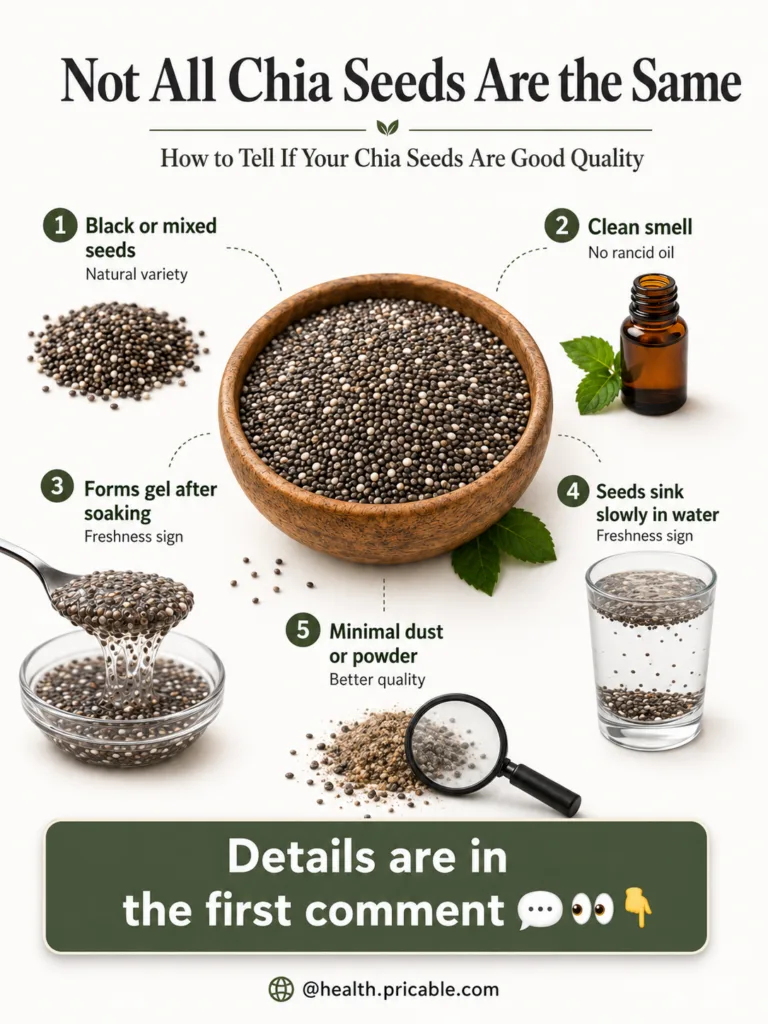 Understand the key indicators of high-quality chia seeds at a glance.
The 5 Essential Indicators of High-Quality Chia Seeds
1. Appearance: Look for Uniformity and Vibrancy
High-quality chia seeds typically have a uniform appearance, consisting of black and sometimes speckled white/grey seeds. They should look vibrant and shiny, not dull or faded. A good batch will have:
- Consistent Color: A mix of black and white/grey is normal and indicates a healthy harvest.
- Smooth Surface: Seeds should feel smooth and slightly slick, not chalky.
What to avoid: Avoid seeds that are reddish-brown, pale green, or have an overly dull appearance. These colors can indicate immaturity, poor drying, or contamination. A batch with an excessive amount of very pale or broken seeds might also be of lower quality.
2. The Gel Test: How Well Do They Hydrate?
Chia seeds are renowned for their ability to absorb liquid and form a gel, which is why they’re fantastic for thickening puddings, smoothies, and acting as an egg substitute. This gelling property is a primary indicator of quality and freshness.
- Clear, Uniform Gel: When soaked in water, high-quality chia seeds should form a translucent, jelly-like coating around each seed. The mixture should become uniformly thick.
- No Clumping: The seeds should remain mostly separate within the gel, not clump together in a solid mass.
What to avoid: If your chia seeds don’t gel well, form a lumpy or watery consistency, or leave a significant amount of unabsorbed liquid, they might be old, damaged, or of poor quality. This can impact their texture in recipes and potentially their nutritional availability.
3. Dust and Debris Check: Purity in the Bag
When you pour chia seeds out of the bag, take a moment to observe for any unwanted extras. A good quality batch should be relatively free from dust, foreign particles, or plant matter.
- Minimal Dust: A small amount of natural dust is acceptable, but excessive dust or powdery residue can indicate poor processing or old seeds.
- No Foreign Matter: You shouldn’t see twigs, leaves, small stones, or other types of seeds mixed in.
What to avoid: The presence of significant debris not only signals lower quality processing but can also affect the taste and cleanliness of your food.
4. Smell and Taste: Fresh and Neutral
High-quality chia seeds have a very mild, slightly nutty, and neutral flavor profile. They shouldn’t have any strong or unpleasant odors.
- Fresh Aroma: They should smell fresh, perhaps a bit earthy, but never rancid or sour.
- Neutral Taste: When eaten dry or soaked, they should taste clean and subtle.
What to avoid: A bitter, musty, or overtly ‘fishy’ smell or taste is a strong indicator that the chia seeds have gone rancid due to exposure to air, light, or heat. Rancid omega-3s are not only unpalatable but also lose their health benefits.
5. Purity Matters: No Foreign Seeds
While some natural variation is expected, a high-quality package of chia seeds should contain overwhelmingly chia seeds and not be mixed with other types of seeds or plant materials.
- Dominantly Chia: Visually inspect for consistency. While some specks are normal, large numbers of distinctly different seeds can be a sign of poor sorting.
What to avoid: The presence of foreign seeds can dilute the nutritional content of the chia seeds and introduce unwanted flavors or textures to your recipes.
Why Does Chia Seed Quality Matter?
Choosing high-quality chia seeds isn’t just about aesthetics; it directly impacts your health and culinary experience:
- Optimal Nutrition: Fresher, well-processed seeds retain their full spectrum of beneficial nutrients, including omega-3s, fiber, and antioxidants.
- Better Texture & Taste: Quality seeds gel properly, creating the desired consistency in puddings and thickening agents, and their neutral taste won’t overpower your dishes.
- Food Safety: Cleaner seeds mean less risk of contaminants and a purer ingredient for your healthy meals.
Tips for Buying and Storing Chia Seeds
Now that you know how to identify good quality, here are a few extra tips to ensure you always have the best on hand:
- Buy from Reputable Brands: Choose brands known for their quality control and sustainable sourcing.
- Check the Expiration Date: Always look for a fresh harvest date or a long expiration window.
- Store Properly: Once opened, store chia seeds in an airtight container in a cool, dark place (like your pantry) to protect their delicate omega-3s from oxidation. For extended freshness, you can even store them in the refrigerator.
Enjoying Your High-Quality Chia Seeds
With high-quality chia seeds in your pantry, the possibilities are endless! Here are a few simple ideas to get you started:
- Chia Pudding: Mix with your favorite milk, a touch of sweetener, and fruit for a delicious, fiber-rich breakfast.
- Smoothie Boost: Add a tablespoon to your morning smoothie for an extra dose of omega-3s and fiber.
- Egg Replacer: Combine 1 tablespoon of chia seeds with 3 tablespoons of water, let it sit for 5 minutes, and use it as an egg substitute in baking.
- Thickener: Stir into soups, stews, or homemade dressings for a natural thickening agent.
Empowering Your Healthy Journey
Being mindful of the quality of your ingredients is a fundamental step in building a truly healthy lifestyle. By understanding these simple indicators, you can confidently choose the best chia seeds, ensuring every spoonful contributes to your metabolic health and culinary enjoyment. Make these quick checks a habit, and savor the benefits of truly high-quality nutrition!