Most people throw a handful of ‘healthy’ seeds into their breakfast without considering why. Chia and flaxseeds are often lumped together as superfoods, but if you want to get the most out of them, understanding their unique properties is key. One excels at creating creamy, thick gels, perfect for breakfast bowls, while the other is a baker’s best friend and a stealthy smoothie booster. Getting it wrong might mean a gritty pudding or a runny batter. This guide cuts through the noise to show you exactly how to use each for maximum benefit.
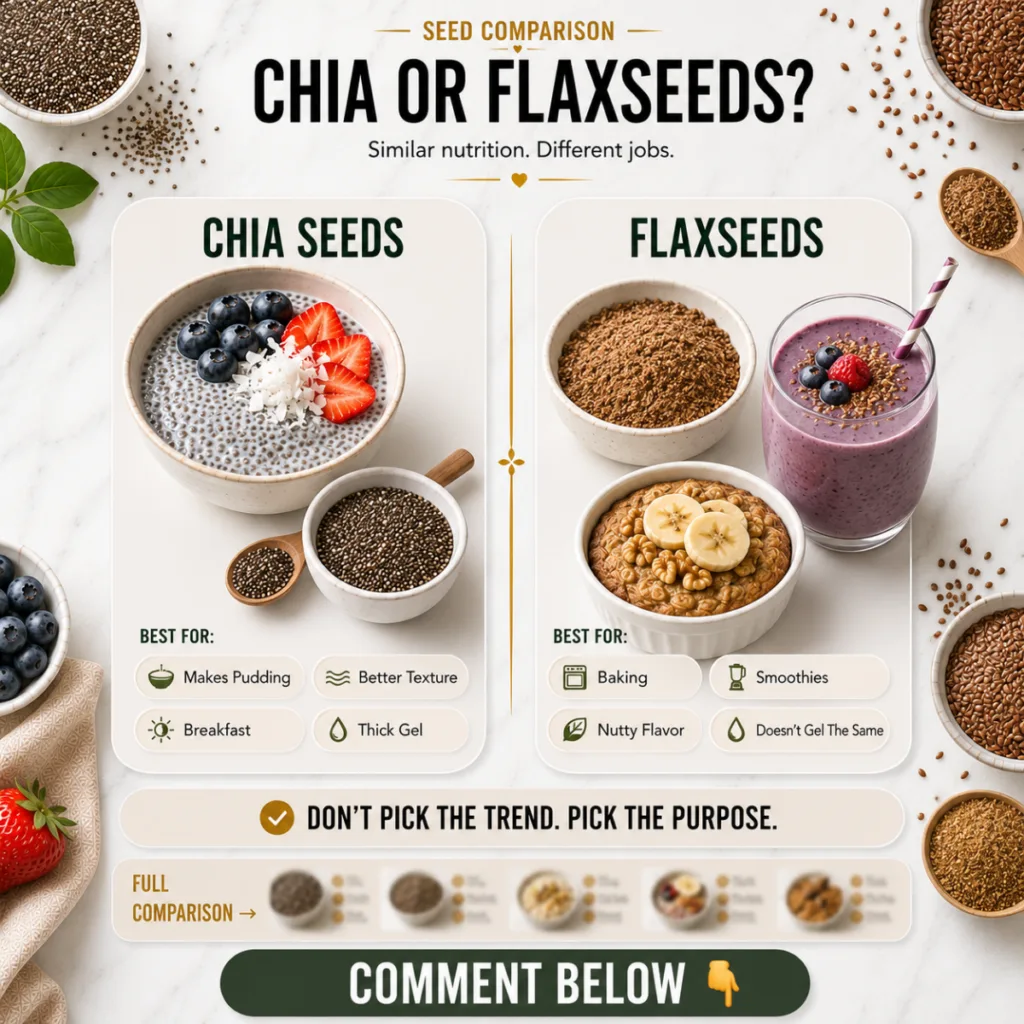 Understand the distinct uses of chia and flaxseeds for best results.
What Are Chia and Flaxseeds?
Both chia and flaxseeds are tiny powerhouses packed with fiber, protein, and omega-3 fatty acids. They swell in liquid, creating a unique texture, but that’s where their similarities in practical application often diverge. Understanding these differences helps you choose the right seed for the right task.
Chia Seeds: The Gel Master
Chia seeds are hydrophilic, meaning they love water. When soaked, they form a gelatinous coating, creating a thick, pudding-like consistency. This property makes them ideal for:
- Puddings and overnight oats: Creating a creamy, satisfying texture without cooking.
- Thickening: Soups, sauces, and gravies.
- Egg replacement (less common than flax): In some recipes, though less effective than flax for binding.
Formula: Basic Chia Seed Pudding
This is the classic, easy-to-make breakfast or snack that highlights chia’s unique gelling properties. Adapt it with your favorite fruits and sweeteners.
Ingredients:
- 2 tablespoons (about 28g) chia seeds
- 1/2 cup (120ml) plant-based milk (almond, soy, oat) or dairy milk
- 1/2 teaspoon vanilla extract (optional)
- 1-2 teaspoons maple syrup or honey (optional, adjust to taste)
- Fresh berries, sliced fruit, or shredded coconut for topping
Step-by-Step Method:
- In a jar or bowl, combine the chia seeds, milk, vanilla extract (if using), and sweetener (if using).
- Stir well to ensure there are no clumps and all seeds are submerged.
- Let sit for 5-10 minutes, then stir again. This prevents the seeds from clumping at the bottom.
- Cover and refrigerate for at least 2 hours, or preferably overnight, until thick and pudding-like.
- Before serving, stir once more and top with your favorite fresh fruits, nuts, or shredded coconut.
How to Use Chia Pudding:
Enjoy it as a standalone breakfast, a healthy dessert, or a mid-day snack. It’s excellent for meal prepping as it keeps well in the fridge.
How Often to Use:
Chia pudding can be enjoyed daily. Most recommendations suggest 1-2 tablespoons of chia seeds per day.
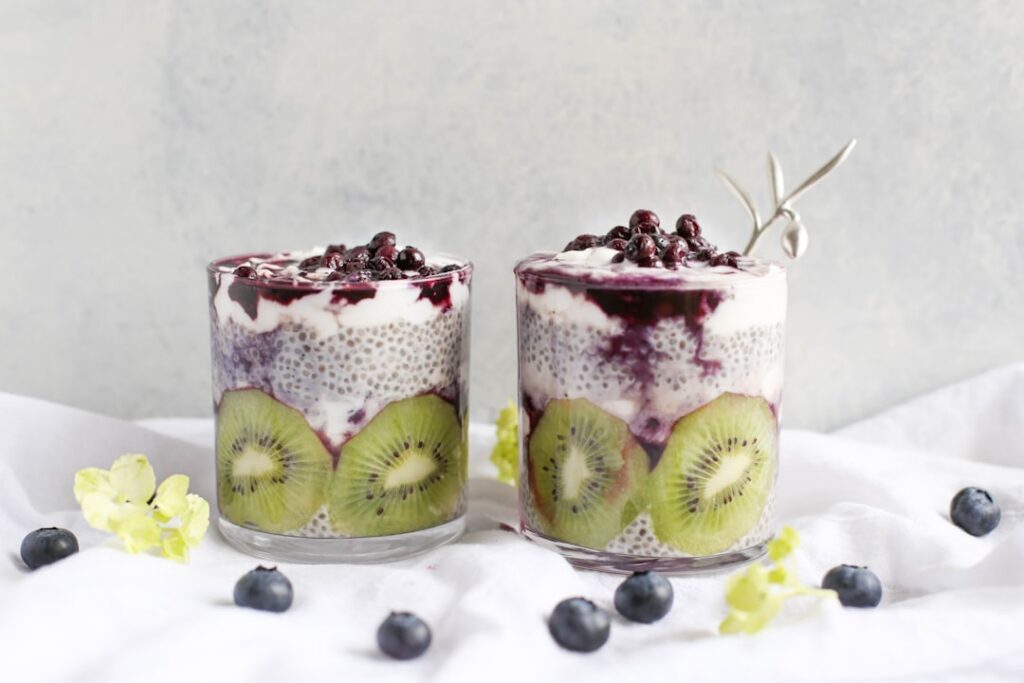 A delicious and thick chia pudding, ready for breakfast or a healthy snack.
Flaxseeds: The Binder & Nutty Booster
Flaxseeds, especially when ground, have a slightly different gelling action. While they do absorb water and form a mucilage, they don’t create the same thick, smooth gel as chia. Instead, their binding properties are superior, making them excellent as:
- Egg replacers (flax egg): Crucial in vegan baking for binding ingredients.
- Smoothie boosters: Adding fiber and omega-3s without significantly altering texture.
- Baking additions: Incorporated into muffins, breads, and oatmeal for a nutty flavor and added nutrition.
Formula: The Flax Egg (Egg Replacer)
This simple trick is invaluable for vegan baking, providing structure and moisture where eggs would typically be used.
Ingredients:
- 1 tablespoon (about 7g) finely ground flaxseed meal
- 3 tablespoons (45ml) warm water
Step-by-Step Method:
- In a small bowl, combine the ground flaxseed meal and warm water.
- Stir vigorously for about 30 seconds until well combined.
- Let it sit for 5-10 minutes, or until it has thickened to a gelatinous, egg-like consistency.
- Use immediately in your recipe as a substitute for one egg.
How to Use Flaxseeds in Smoothies and Baking:
- Smoothies: Add 1-2 tablespoons of ground flaxseed meal directly to your blender with other ingredients.
- Baking: Incorporate 1-2 tablespoons of ground flaxseed meal per cup of flour in muffins, breads, pancakes, or oatmeal.
How Often to Use:
Similar to chia, 1-2 tablespoons of ground flaxseed meal per day is a good general guideline.
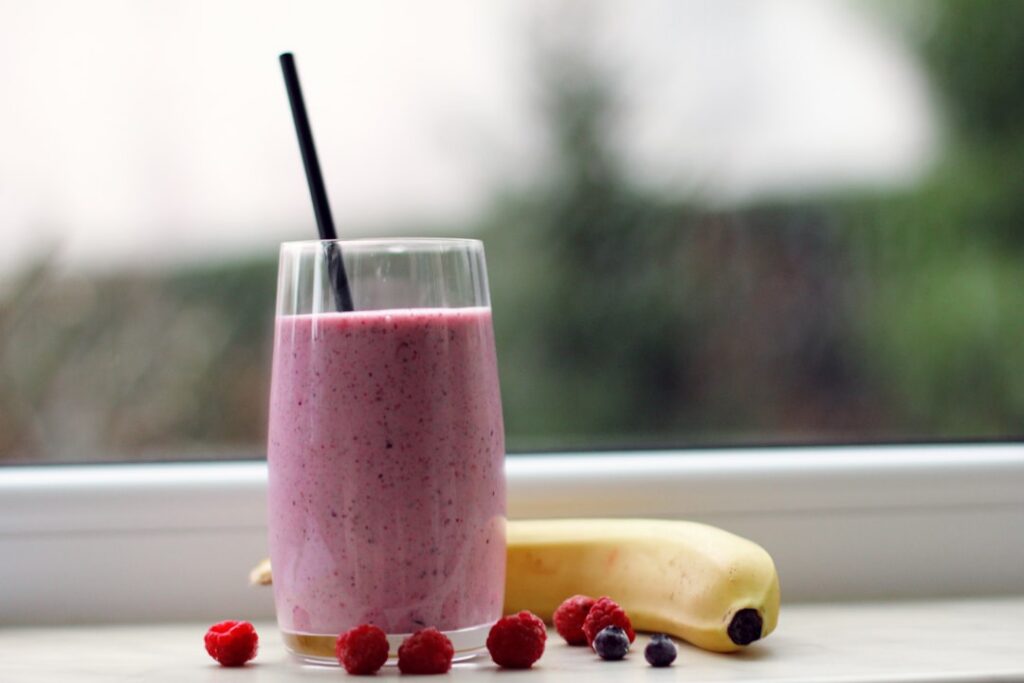 Ground flaxseed blends seamlessly into smoothies, adding nutrition without changing texture.
How to Buy and Choose Seeds
- Chia Seeds: You can buy them whole. Both black and white chia seeds have similar nutritional profiles. Look for organic, non-GMO if possible.
- Flaxseeds: Always buy whole flaxseeds and grind them just before use. Ground flaxseed (flax meal) oxidizes quickly and can lose its beneficial omega-3s. A coffee grinder works perfectly for grinding small batches.
Storage
- Whole Chia Seeds: Store in an airtight container in a cool, dark place for up to 2 years.
- Whole Flaxseeds: Store in an airtight container in a cool, dark place for up to 1 year.
- Ground Flaxseed Meal: Store in an airtight container in the refrigerator or freezer for up to 3 months to prevent rancidity.
- Prepared Chia Pudding: Will last 3-5 days in an airtight container in the refrigerator.
Practical Tips
- Hydration is Key: Always ensure seeds are fully hydrated before consuming, especially chia, to avoid potential digestive discomfort.
- Experiment with Flavors: Both seeds are relatively neutral, making them versatile. Try different milks, spices (cinnamon, nutmeg), and fruit combinations.
- Grind Small Batches: For flaxseeds, only grind what you’ll use within a week or two for optimal freshness and nutrient retention.
Common Mistakes
- Using whole flaxseeds: Our bodies can’t easily break down the tough outer shell of whole flaxseeds, meaning you miss out on most of their nutrients. Always grind them.
- Not stirring chia pudding: Skipping the initial stir after 5-10 minutes can result in a lumpy pudding with dry seeds at the bottom.
- Storing ground flaxseed at room temperature: This can lead to rancidity, giving it an off-putting smell and taste. Refrigerate or freeze.
- Overusing as an egg replacer: While flax eggs are great, for recipes requiring more than 1-2 eggs, a different binder might be needed, or the texture could be compromised.
Chia vs. Flaxseeds: Best Uses
FeatureChia SeedsFlaxseeds (Ground)Gel TextureThick, smooth, pudding-likeThicker, more viscous, less smoothPrimary UsePuddings, thickenersEgg replacer, baking, smoothiesFlavorMild, neutralMildly nuttyRequired PreparationSoaking (whole)Grinding (before use)Storage for GroundN/A (used whole)Refrigerate/Freeze Cautions / Who Should Avoid It
Disclaimer: This information is for educational purposes and is not a substitute for professional medical advice. Always consult with a healthcare provider before making significant dietary changes, especially if you have pre-existing health conditions.
- Digestive Sensitivity: Both seeds are high in fiber. Introduce them slowly into your diet to avoid bloating, gas, or constipation. Ensure adequate water intake.
- Medication Interactions: Due to their fiber and omega-3 content, these seeds may interact with blood-thinning medications or medications for blood sugar regulation. Consult your doctor.
- Allergies: Though rare, allergies to chia or flaxseeds can occur.
- Choking Hazard: Consume adequately hydrated seeds, particularly chia, to prevent potential choking, especially if you have dysphagia.
Quick Summary
- Chia Seeds: Best for creating thick, gel-like textures. Perfect for puddings, overnight oats, and thickening. Use whole and soak thoroughly.
- Flaxseeds: Best when ground for binding in baking (flax eggs), adding fiber and a nutty taste to smoothies and baked goods. Always grind before use and store ground flaxseed in the fridge.
- Storage: Whole seeds in a cool, dark place; ground flaxseed in the fridge/freezer.
- Avoid: Using whole flaxseeds, not stirring chia, storing ground flaxseed improperly.
FAQ
- Can I use whole flaxseeds? No, you should grind flaxseeds to properly digest them and absorb their nutrients.
- How long does chia pudding last in the fridge? Up to 3-5 days in an airtight container.
- Can I use chia seeds as an egg replacer? While they have some binding properties, ground flaxseeds are generally more effective and commonly used as an ‘egg’ in baking.
- Is there a difference between black and white chia seeds? Nutritionally, they are almost identical. The difference is primarily cosmetic.
- Why does my flaxseed taste bitter? It might be rancid. Always store ground flaxseed in the refrigerator or freezer and check the expiration date.
- Do I need to soak flaxseeds like chia? Only if making a flax egg. For smoothies or baking, ground flaxseed can be added directly.
- Can I freeze ground flaxseed? Yes, freezing is recommended for long-term storage of ground flaxseed meal to prevent rancidity.
You may also like: Read more about making perfect plant-based milks.
Related remedy: See our full guide on homemade healthy breakfast bowls.
Conclusion
Don’t just add seeds because they’re trendy. Choose chia or flax based on your purpose. Whether you’re aiming for a perfectly thick pudding or a reliable egg substitute in your baking, knowing the unique strengths of each seed will elevate your healthy creations. With the right preparation and storage, these tiny seeds can make a big impact on your diet and culinary adventures. Now that you know the purpose, go pick your seed!
See the full guide on more ways to incorporate healthy seeds into your diet.