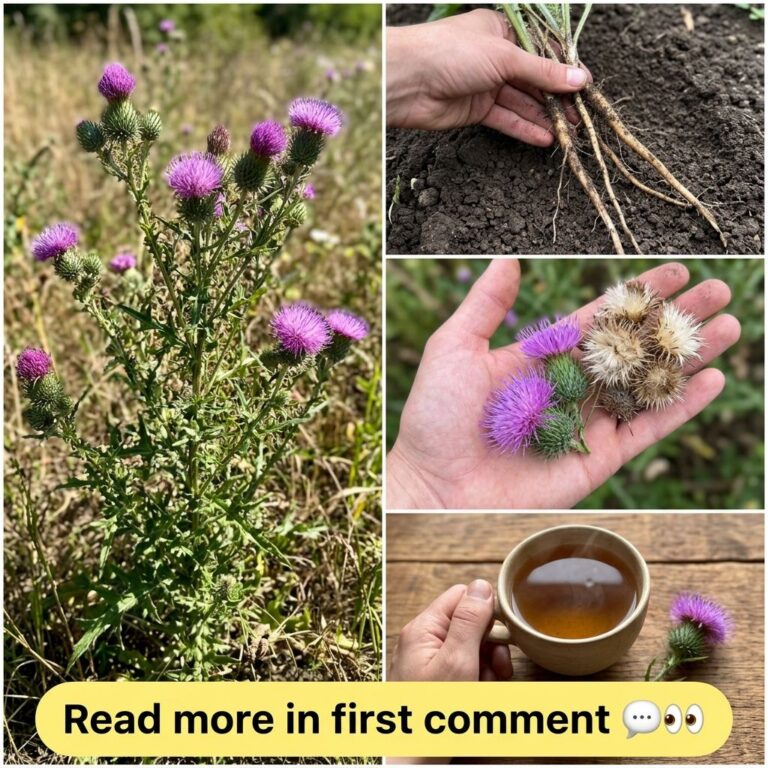
Most people recognize the thistle by its striking purple flowers and prickly demeanor, often seeing it as nothing more than a stubborn weed. But here’s the part most people skip: beneath the thorny exterior lies a powerful secret in its root. While the flowers and leaves have their place in herbal traditions, the root of certain thistle varieties holds a unique position for its restorative properties. Ignoring this underground treasure means overlooking a simple, potent remedy used for generations.
What It Is: The Power of Thistle Root
When we talk about “thistle root” in the context of a natural remedy, we’re generally referring to the taproots of specific thistle species, most notably various wild thistles or sometimes even the lesser-known root applications of Milk Thistle (Silybum marianum). These roots are traditionally harvested for their dense nutritional profile and compounds believed to support overall vitality, particularly related to digestive and liver health. Unlike the more commonly recognized seeds of Milk Thistle, the root offers a different spectrum of benefits and requires a specific preparation method to unlock its full potential.
Historically, thistle roots have been used as a cleansing tonic and a fortifying addition to the diet. They are rich in inulin (a prebiotic fiber), minerals, and other plant compounds. Understanding how to properly harvest, prepare, and use this root can open up a world of simple, effective home remedies.
Thistle Root Decoction: Your Simple Recipe
To access the benefits of thistle root, a decoction is the most effective method. This involves simmering the root in water to extract its beneficial compounds, which are often denser and less volatile than those found in leaves or flowers.
Ingredients
- Fresh Thistle Root: Approximately 1-2 inches of cleaned, chopped root per 8 oz (1 cup) of water.
- Dried Thistle Root: Approximately 1 tablespoon of chopped or sliced dried root per 8 oz (1 cup) of water.
- Filtered Water: Essential for a pure decoction.
Approximate Measurements
- For a single serving (8 oz / 1 cup): 1-inch piece of fresh root or 1 tbsp dried root.
- For a larger batch (32 oz / 4 cups): 4-inch piece of fresh root or 4 tbsp dried root.
Formula / Recipe: Basic Thistle Root Decoction
This method ensures maximum extraction of the root’s beneficial compounds.
- Clean the Root: If using fresh root, thoroughly wash away all soil under cold running water. You can use a vegetable brush to scrub the exterior.
- Chop: Dice the root into small, uniform pieces (about 1/4 inch) to increase surface area for extraction.
- Combine: Place the chopped root and water in a non-reactive saucepan (stainless steel or glass).
- Simmer: Bring the mixture to a boil, then immediately reduce the heat to a low simmer. Cover the pot to minimize evaporation.
- Decoct: Allow it to gently simmer for 20-30 minutes. The liquid will reduce slightly and become darker.
- Strain: Remove from heat and strain the liquid through a fine-mesh sieve or cheesecloth into a mug or heat-proof jar.
- Serve: The decoction is ready to drink.
Quick Tip: Enhancing Flavor
Thistle root can have an earthy, slightly bitter taste. You can mellow this by adding a small piece of fresh ginger, a cinnamon stick, or a few slices of lemon during the simmering process. A touch of raw honey or maple syrup can be added after straining, if desired.
How to Use
Drink the warm thistle root decoction. It can be consumed plain or mixed with other herbal teas (like peppermint or chamomile) to improve palatability. It’s often recommended on an empty stomach to maximize absorption, but can also be taken with meals.
How Often to Use
For general wellness support, a common recommendation is to drink 1-2 cups of thistle root decoction daily for 2-4 weeks, followed by a break. This “on-and-off” approach is common with many herbal tonics to allow the body to reset. Always listen to your body and consult with a healthcare professional if you have underlying conditions.
How to Buy / How to Choose Ingredients
Foraging Fresh Thistle Root
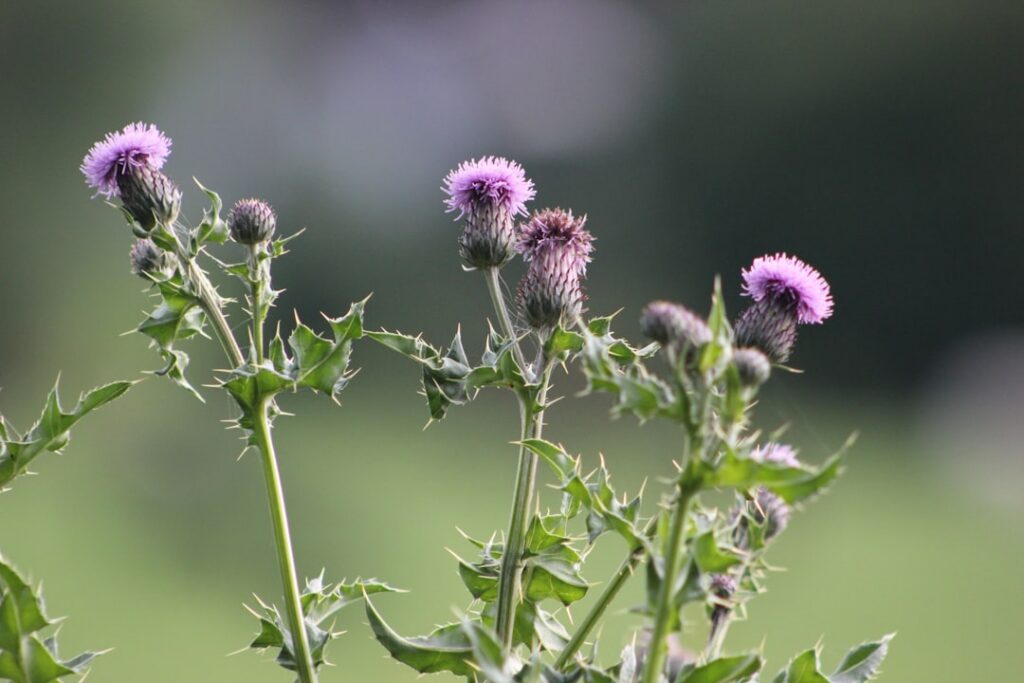
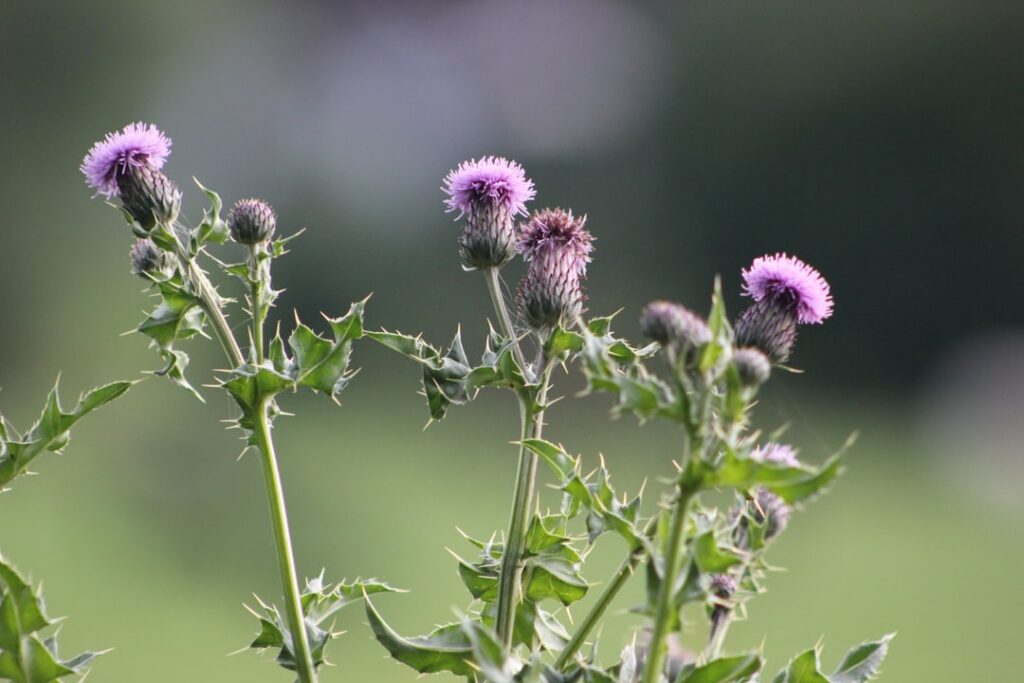
Harvesting your own thistle root can be rewarding, but it requires careful attention. Look for young, healthy plants, preferably in early spring or late fall when the plant’s energy is stored in its root. Ensure the area is free from pesticides, herbicides, and pollutants (e.g., away from roadsides, industrial areas). Correct identification is crucial to avoid harmful look-alikes. Focus on species like Spear Thistle (Cirsium vulgare) or Bull Thistle, as their roots are well-documented for traditional use.
Buying Dried Thistle Root
If foraging isn’t an option, purchase dried thistle root from reputable herbal suppliers. Look for organic, ethically sourced products. The root should be clean, free from mold, and have a natural, earthy aroma. Avoid anything with a strong, off-putting smell.
Storage
- Fresh Root: Store unwashed, whole roots loosely wrapped in a paper towel in the refrigerator for up to 1 week. Once chopped, use immediately.
- Dried Root: Keep dried, chopped root in an airtight container in a cool, dark, dry place. It can last for 1-2 years.
- Prepared Decoction: Store any leftover decoction in an airtight container in the refrigerator for up to 2-3 days. Reheat gently before drinking.
Practical Tips
- Consistency is Key: Regular, moderate use is more effective than sporadic large doses.
- Taste Adjustments: If the decoction is too bitter, dilute it with more water or blend with a sweeter tea like licorice root (another excellent digestive aid).
- Beyond Tea: Thistle roots can also be roasted and ground as a coffee substitute or added (in small amounts) to soups and stews for an earthy flavor and added nutrients, though the decoction remains the primary medicinal use.
Common Mistakes
- Misidentification: The biggest mistake! Ensure you are 100% certain of the plant’s identity before consuming. Consult a local herbalist or reliable field guide.
- Harvesting from Contaminated Areas: Never harvest from roadsides, industrial zones, or areas known to be sprayed with chemicals.
- Insufficient Simmering: Boiling briefly like a tea won’t extract the dense compounds. A slow, sustained simmer is crucial.
- Improper Storage: Storing fresh roots in sealed plastic or in moist conditions can lead to mold and spoilage.
- Overuse: While generally safe, excessive intake of any herbal remedy can lead to unexpected side effects. Stick to recommended doses.
Fresh Thistle Root vs. Dried Thistle Root
| Feature | Fresh Thistle Root | Dried Thistle Root |
|---|---|---|
| Sourcing | Foraged (requires identification skill) | Purchased from herbal suppliers |
| Potency | Potentially higher, immediate compounds | Concentrated, consistent potency |
| Preparation | Washing, chopping, immediate use | Ready to use, no fresh prep needed |
| Shelf Life | Short (days to a week refrigerated) | Long (1-2 years in airtight storage) |
| Flavor | Fresher, sometimes more pungent | Earthier, sometimes milder |
Cautions / Who Should Avoid It
While thistle root is generally considered safe for most healthy adults in moderation, some individuals should exercise caution:
- Allergies: Individuals allergic to plants in the Asteraceae/Compositae family (like ragweed, daisies, marigolds) may be sensitive to thistle.
- Pregnancy & Breastfeeding: Limited research exists; it’s best to avoid or consult a doctor.
- Medication Interactions: Thistle, particularly Milk Thistle, can interact with certain medications, especially those metabolized by the liver. Consult your doctor if you are on any medications.
- Underlying Health Conditions: If you have liver disease, kidney issues, or other chronic conditions, seek medical advice before use.
Quick Summary: Thistle Root Decoction
- Best Preparation: Decoction (simmering for 20-30 minutes).
- Best Use-Case: General wellness tonic, digestive support.
- Storage: Fresh root in fridge (1 week), dried root in airtight container (1-2 years), decoction in fridge (2-3 days).
- When to Use: 1-2 cups daily for 2-4 weeks, then a break.
- What to Avoid: Misidentification, contaminated harvest sites, overuse, taking without consulting a doctor if on medication or with health conditions.
FAQ
Q1: Can I use fresh or dried thistle root?
A: Yes, both fresh and dried thistle root can be used. Adjust the quantity as fresh root is less concentrated (more is needed) compared to dried. See the comparison table above for more details.
Q2: How long does thistle root tea last?
A: The prepared decoction should be stored in the refrigerator in an airtight container and consumed within 2-3 days.
Q3: What’s the best time to harvest thistle root?
A: The best times are early spring before the plant flowers or late fall after the first frost, as the plant’s energy is concentrated in its root during these periods.
Q4: Can I reuse the roots for another batch?
A: While some compounds might remain, the majority of the beneficial constituents will have been extracted in the first decoction. Reusing will result in a much weaker remedy.
Q5: Are all thistles safe to use?
A: No. Proper identification is crucial. Focus on commonly documented species like Spear Thistle or Bull Thistle for their roots, and always ensure they are from clean, uncontaminated areas. Avoid unknown or ornamental varieties.
Q6: Can I add sweeteners or other flavors?
A: Absolutely! Raw honey, maple syrup, lemon, ginger, or cinnamon can be added after straining to enhance the flavor profile and make it more palatable.
Q7: Who should avoid thistle root?
A: Pregnant or breastfeeding individuals, those with allergies to related plants, people on certain medications (especially liver-metabolized drugs), and those with underlying health conditions should consult a doctor before use.
Conclusion
The humble thistle, often dismissed as a prickly pest, reveals its true value when you look beneath the surface. Its root offers a simple yet powerful way to tap into nature’s remedies, providing a fortifying tonic that supports your body’s natural processes. With careful preparation and mindful use, this often-overlooked plant can become a valued addition to your natural wellness routine. Don’t let its thorns deter you from discovering the hidden “root” of its goodness.
You may also like: DIY Ginger Turmeric Tonic: Your Daily Health Booster
Read more: Foraging Basics: Identifying Wild Edibles Safely