Oats are a true superfood, beloved for their versatility, nutritional powerhouse status, and ability to keep you feeling full and energized. But if you’ve ever stood in the grocery aisle wondering whether to grab steel-cut, old-fashioned, or instant oats, you’re not alone! While all oats offer incredible health benefits, understanding their differences can help you choose the perfect type for your lifestyle, cooking preferences, and nutritional goals.
This comprehensive guide will demystify the world of oats, helping you confidently pick, prepare, and enjoy this incredibly healthy grain. Get ready to transform your breakfast routine!
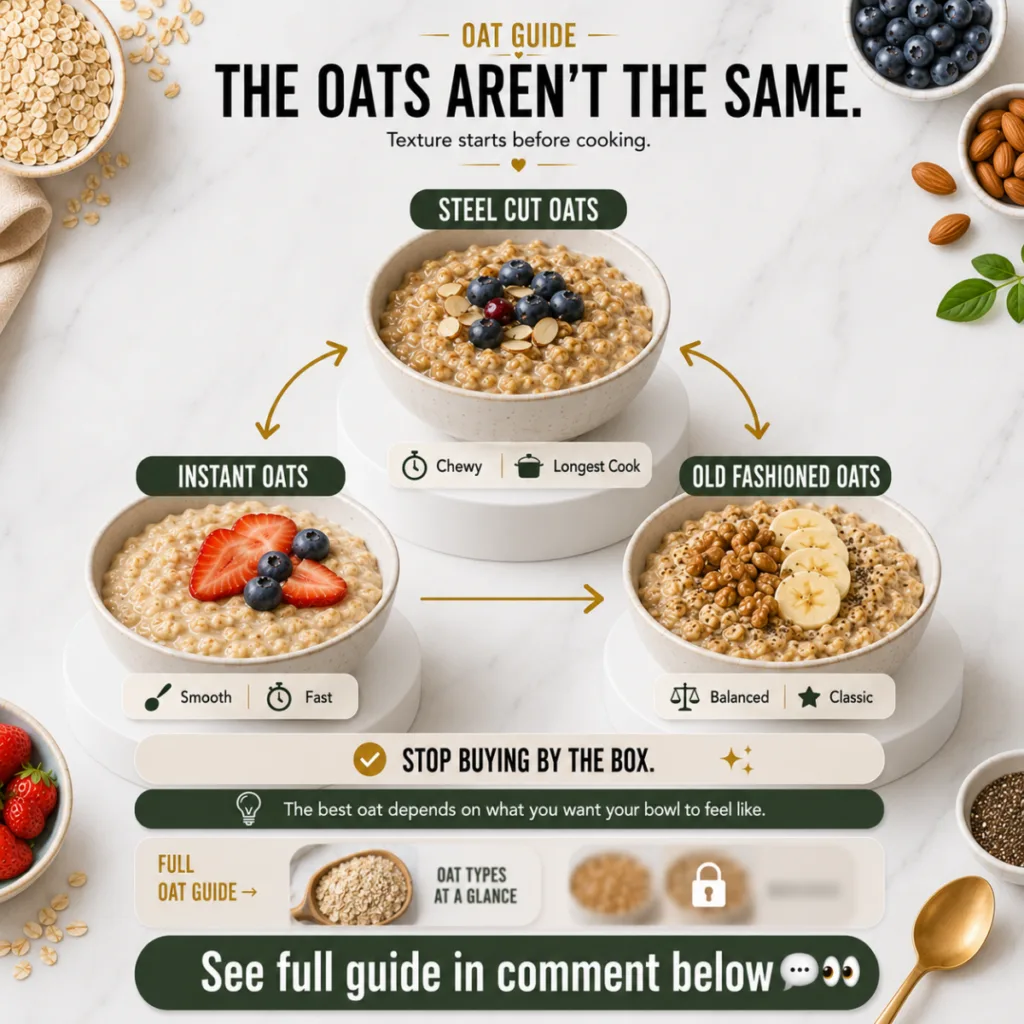 Understanding the unique characteristics of each oat type can elevate your breakfast game!
The Wonderful World of Oats: A Closer Look
All types of oats start as oat groats – the whole, unbroken kernels. The difference in texture, cooking time, and even subtle nutritional impact comes from how these groats are processed.
1. Steel Cut Oats: The Hearty & Chewy Choice
What they are: Also known as Irish or Scottish oats, steel cut oats are oat groats that have been cut into two or three pieces with a steel blade, rather than rolled. This minimal processing gives them a robust, chewy texture and helps them retain more of their original shape and fiber.
- Texture: Firm, chewy, and nutty. They hold their shape well after cooking.
- Cook Time: The longest of the three, typically 20-30 minutes on the stovetop. They can also be prepared overnight in a slow cooker or with an Instant Pot for convenience.
- Nutritional Profile: Known for their low glycemic index, meaning they release sugar into your bloodstream more slowly. This makes them an excellent choice for sustained energy and blood sugar balance. Rich in soluble fiber, which supports digestion and heart health.
- Best For: Those who enjoy a hearty, textured breakfast, meal prepping (they reheat well), or slow-cooked recipes.
How to Cook Steel Cut Oats (Stovetop Method):
- Ingredients: 1 cup steel cut oats, 3 cups water or milk (dairy or non-dairy), pinch of salt.
- Instructions: Bring water/milk and salt to a boil in a medium saucepan. Stir in oats, reduce heat to low, and simmer uncovered for 20-30 minutes, stirring occasionally, until oats are tender and liquid is absorbed.
- Pro Tip: Toasting the dry oats in a dry pan for a few minutes before adding liquid enhances their nutty flavor!
2. Old Fashioned Oats: The Classic & Versatile Staple
What they are: Also called rolled oats, these are oat groats that have been steamed, then rolled flat into flakes. This process makes them cook faster and gives them a softer texture than steel-cut oats, but they still retain a good amount of fiber and nutritional value.
- Texture: Creamy and tender, yet still with some body. They absorb liquid well.
- Cook Time: Medium, typically 5-10 minutes on the stovetop.
- Nutritional Profile: A great source of soluble fiber (beta-glucan), promoting satiety and healthy cholesterol levels. They also have a moderate glycemic index, providing a steady release of energy.
- Best For: Everyday oatmeal, overnight oats, baking (cookies, muffins, granola bars), and savory oat recipes. Their versatility makes them a kitchen essential.
How to Cook Old Fashioned Oats (Stovetop Method):
- Ingredients: 1/2 cup old fashioned oats, 1 cup water or milk, pinch of salt.
- Instructions: Bring water/milk and salt to a boil in a small saucepan. Stir in oats, reduce heat to medium-low, and cook for 5-7 minutes, stirring occasionally, until oats are tender and creamy.
- Pro Tip: For extra creaminess, stir in a spoonful of chia seeds or flax meal during cooking.
3. Instant Oats: The Quick & Convenient Option
What they are: These are the most processed type of oats. They are pre-cooked, dried, and then rolled very thinly, often cut into smaller pieces. This allows them to cook incredibly quickly.
- Texture: Very soft and mushy, sometimes described as ‘porridge-like’.
- Cook Time: The fastest, usually 1-2 minutes in the microwave or with boiling water.
- Nutritional Profile: While still a whole grain and providing fiber, their extensive processing can slightly increase their glycemic index compared to steel cut or old-fashioned oats. Many instant oat packets come with added sugars and artificial flavors, so always check the ingredient list. Opt for plain instant oats if possible.
- Best For: Busy mornings when time is of the essence, traveling, or when you need a quick, warm meal without much fuss.
How to Cook Instant Oats (Microwave Method):
- Ingredients: 1/2 cup plain instant oats, 1 cup water or milk.
- Instructions: Combine oats and liquid in a microwave-safe bowl. Microwave on high for 1-2 minutes, or until desired consistency is reached. Stir well before serving.
- Pro Tip: Enhance plain instant oats with fresh fruit, nuts, seeds, and a dash of cinnamon to boost nutrition and flavor without added sugars.
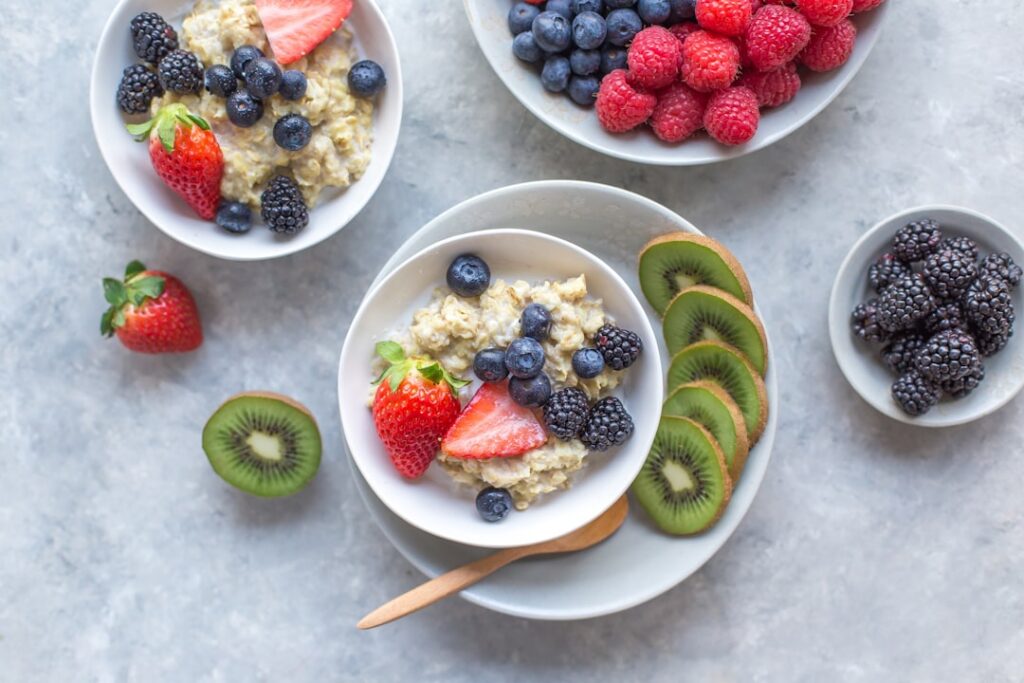 No matter the type, oats offer a canvas for delicious and nutritious toppings!
Choosing the Right Oat Type for You
Your ideal oat type depends on your priorities:
- For Maximum Chewy Texture & Sustained Energy: Go for Steel Cut Oats. Perfect for a leisurely breakfast or meal prep.
- For Versatility & Balanced Nutrition: Old Fashioned Oats are your go-to. Ideal for everyday use, baking, and overnight oats.
- For Speed & Convenience: Instant Oats are unbeatable. Choose plain varieties and customize with healthy add-ins.
Creative Topping Ideas for Your Oats
No matter which oat type you choose, toppings are where you can truly boost flavor and nutrition!
- Fruits: Fresh berries, sliced banana, diced apple, peaches, dried cranberries, raisins.
- Nuts & Seeds: Almonds, walnuts, pecans, chia seeds, flax seeds, pumpkin seeds, hemp hearts for healthy fats and protein.
- Sweeteners (in moderation): A drizzle of maple syrup, honey, a sprinkle of cinnamon, or a tiny bit of stevia.
- Protein Boost: A scoop of your favorite protein powder (stirred in after cooking), Greek yogurt, or a dollop of nut butter.
- Flavor Enhancers: Vanilla extract, cocoa powder, a pinch of nutmeg or cardamom.
Tips for Perfect Oats Every Time
- Liquid Ratio: Adjust liquid to your preferred consistency. For thicker oats, use less liquid; for thinner, use more.
- Stirring: Stirring occasionally prevents sticking and ensures even cooking, especially for stovetop methods.
- Flavor First: Cook oats with a pinch of salt to enhance their natural flavor.
- Don’t Overcook: Overcooked oats can become gluey. Follow cooking times, or slightly undercook if you prefer a firmer bite.
Storing Your Oats
Store dry oats in an airtight container in a cool, dry, dark place. They typically last for up to one year. Cooked oats can be stored in an airtight container in the refrigerator for up to 3-4 days, making them perfect for healthy meal prep!
Frequently Asked Questions About Oats
Q: Are oats gluten-free?
A: Oats are naturally gluten-free, but they are often processed in facilities that also handle wheat, barley, and rye, leading to cross-contamination. If you have celiac disease or gluten sensitivity, look for oats specifically labeled as ‘certified gluten-free’.
Q: Can I make savory oatmeal?
A: Absolutely! Oats are incredibly versatile. Try cooking them with vegetable broth instead of water, then topping with a fried egg, sautéed greens, avocado, and a dash of hot sauce. Delicious!
Q: Are instant oats unhealthy?
A: Plain instant oats are a healthy whole grain. The concern often comes from flavored instant oat packets that contain significant amounts of added sugar, artificial flavors, and preservatives. Opt for plain instant oats and add your own healthy toppings.
Embrace the Power of Oats!
Understanding the different types of oats empowers you to make informed choices that fit your lifestyle and health goals. Whether you’re a fan of the hearty chew of steel-cut, the classic comfort of old-fashioned, or the speedy convenience of instant, incorporating oats into your diet is a simple yet powerful step towards better metabolic health, sustained energy, and delicious, wholesome eating.
Now go forth and enjoy your oats!