There’s something undeniably satisfying about a crisp, tangy pickle. Whether it’s the satisfying crunch of a dill spear or the vibrant kick of pickled jalapeños, these preserved delights elevate meals and snacks alike. While store-bought options are convenient, crafting your own homemade pickles opens up a world of fresh flavors, customizable spices, and the sheer joy of knowing exactly what goes into your jar.
Many people assume pickling is a complicated process reserved for seasoned chefs, but that couldn’t be further from the truth. With a few simple ingredients and a little patience, you can transform everyday vegetables and even eggs into delectable, tangy treats. Get ready to discover the magic of easy jar ideas that yield tangy homemade flavor everyone will ask for.
Let’s dive into some of the most popular pickled foods and how you can make them in your own kitchen.
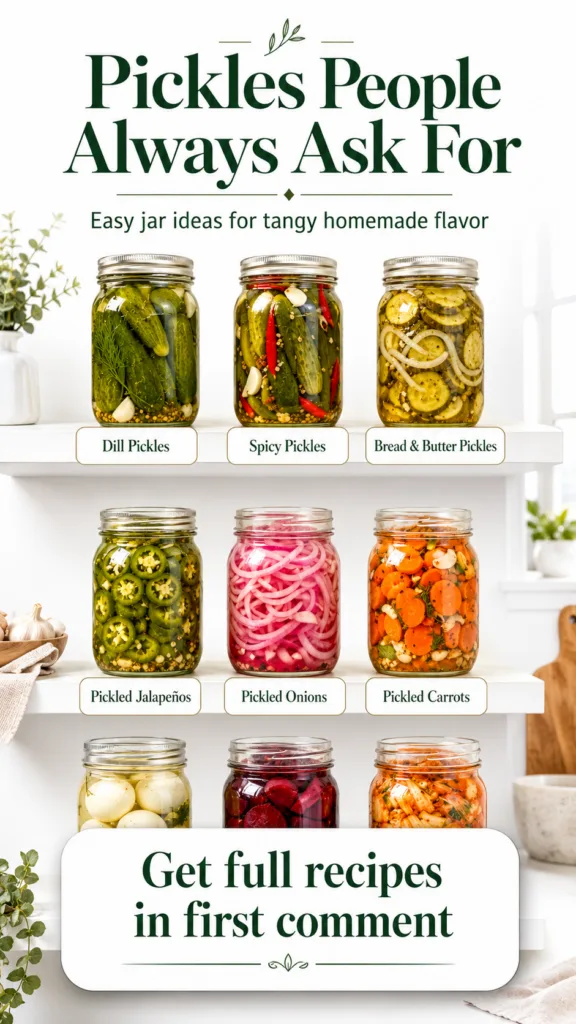 Unlock a world of tangy homemade flavor with these easy pickle ideas.
The Pickles People Always Ask For: Easy Jar Ideas
1. Classic Dill Pickles
The quintessential pickle, dill pickles are a staple for sandwiches, burgers, or simply enjoyed on their own. Their bright, briny flavor and satisfying crunch are unmatched.
- Yield: Approximately 1 quart jar
- Key Ingredients:
- 1.5 lbs Kirby cucumbers (about 3-4 pickling cucumbers), washed and trimmed
- 2-3 sprigs fresh dill
- 2-3 cloves garlic, peeled
- 1 teaspoon pickling spices (e.g., mustard seeds, coriander, peppercorns)
- 1 cup white vinegar (5% acidity)
- 1 cup water
- 1 tablespoon pickling salt (non-iodized)
- Basic Steps: Wash and trim cucumbers. Pack them tightly into a sterilized 1-quart jar with dill, garlic, and spices. In a saucepan, heat vinegar, water, and salt over medium heat, stirring until salt is dissolved. Bring to a boil, then immediately pour the hot brine over the cucumbers, ensuring they are fully submerged. Tap the jar gently to release air bubbles. Seal and allow to cool completely at room temperature before refrigerating for at least 24-48 hours before eating.
2. Zesty Spicy Pickles
For those who love a little heat, spicy pickles offer a fiery kick that tantalizes the taste buds. They’re fantastic for adding zing to any dish.
- Yield: Approximately 1 quart jar
- Key Ingredients:
- 1.5 lbs Kirby cucumbers (about 3-4 pickling cucumbers), washed and trimmed
- 2-3 sprigs fresh dill
- 2-3 cloves garlic, peeled
- 1-2 fresh chili peppers (e.g., serrano or habanero), sliced, OR 1-2 teaspoons red pepper flakes
- 1 teaspoon pickling spices
- 1 cup white vinegar (5% acidity)
- 1 cup water
- 1 tablespoon pickling salt (non-iodized)
- Basic Steps: Follow the general dill pickle method, but dramatically increase the amount of red pepper flakes or add sliced fresh chilies to the jars with the garlic and dill before pouring in the hot brine.
3. Tangy Pickled Jalapeños
These vibrant green slices pack a punch, perfect for nachos, tacos, pizzas, or as a spicy garnish. They strike a balance between heat and tang.
- Yield: Approximately 1 quart jar
- Key Ingredients:
- 1 lb fresh jalapeño peppers, sliced into 1/4-inch rounds
- 2 cloves garlic, peeled
- 1.5 cups white vinegar (5% acidity)
- 1 cup water
- 1 tablespoon granulated sugar
- 1 tablespoon pickling salt (non-iodized)
- Basic Steps: Pack sliced jalapeños tightly into a sterilized 1-quart jar with garlic cloves. In a saucepan, bring vinegar, water, sugar, and salt to a boil, stirring until sugar and salt are dissolved. Pour hot brine over the jalapeños, ensuring they are fully submerged. Tap gently to release air bubbles. Seal and allow to cool completely before refrigerating for at least 24 hours to develop flavor.
4. Sweet & Sour Pickled Onions
Pink and pretty, pickled red onions are a game-changer for salads, sandwiches, and grain bowls. Their sharp, sweet-sour flavor cuts through richness beautifully.
- Yield: Approximately 1 pint jar
- Key Ingredients:
- 2 medium red onions, thinly sliced
- 1 cup white vinegar or apple cider vinegar (5% acidity)
- 1/2 cup water
- 1 tablespoon granulated sugar
- 1 teaspoon pickling salt (non-iodized)
- Optional: 1 bay leaf, 1/2 teaspoon black peppercorns
- Basic Steps: Thinly slice red onions and pack them into a sterilized pint jar. In a saucepan, heat vinegar, water, sugar, and salt (and optional spices like bay leaf or peppercorns) over medium heat until sugar and salt dissolve. Bring to a boil, then pour the hot brine over the onions, ensuring full coverage. Seal and chill once cool. They soften and turn a beautiful pink color within hours.
5. Crisp Pickled Carrots
Offering a delightful crunch and a mild, sweet-tangy flavor, pickled carrots are a versatile addition to charcuterie boards, banh mi, or as a vibrant side dish.
- Yield: Approximately 1 quart jar
- Key Ingredients:
- 1 lb carrots, peeled and sliced into sticks or rounds
- 1-2 cloves garlic, peeled
- 2 sprigs fresh dill OR 1 tablespoon chopped fresh cilantro
- 1 cup white vinegar (5% acidity)
- 1 cup water
- 1 tablespoon granulated sugar
- 1 tablespoon pickling salt (non-iodized)
- Basic Steps: Pack sliced carrots tightly into a sterilized 1-quart jar with garlic and herbs. In a saucepan, prepare a hot brine by heating vinegar, water, sugar, and salt until dissolved and boiling. Pour hot brine over carrots, ensuring full submersion. Tap gently to release air bubbles. Seal and refrigerate once cool for at least 24 hours.
6. Earthy Pickled Beets
Known for their stunning color and earthy-sweet flavor, pickled beets are fantastic in salads, as a side, or even pureed into a vibrant dip.
- Yield: Approximately 1 quart jar
- Key Ingredients:
- 1 lb fresh beets (about 3-4 medium beets), cooked, peeled, and sliced or diced
- 1/2 small red onion, thinly sliced (optional)
- 1 cup apple cider vinegar (5% acidity)
- 1 cup water
- 2 tablespoons granulated sugar
- 1 teaspoon pickling salt (non-iodized)
- 1/4 teaspoon whole cloves
- 1/4 teaspoon allspice berries
- Basic Steps: Cook and peel beets, then slice or dice. Pack into a sterilized 1-quart jar with optional red onion and spices. In a saucepan, heat vinegar, water, sugar, and salt over medium heat to create a brine, stirring until dissolved. Bring to a boil, then pour hot brine over the beets, ensuring full coverage. Tap gently to release air bubbles. Seal and refrigerate once cool for at least 3-5 days for best flavor.
7. Briny Pickled Eggs
A classic pub snack, pickled eggs are a protein-packed treat with a unique tangy flavor. They are surprisingly easy to make and store well.
- Yield: Approximately 1 quart jar (6-8 eggs)
- Key Ingredients:
- 6-8 hard-boiled eggs, peeled
- 1.5 cups white vinegar (5% acidity)
- 1 cup water
- 1 tablespoon pickling salt (non-iodized)
- 1 teaspoon granulated sugar
- 1 teaspoon pickling spices (e.g., mustard seeds, peppercorns, bay leaf, dill sprigs)
- Optional: 1/4 cup beet juice for color
- Basic Steps: Gently place peeled hard-boiled eggs into a sterilized 1-quart jar. In a saucepan, combine vinegar, water, salt, sugar, and spices (and optional beet juice) and bring to a boil, stirring until salt and sugar are dissolved. Pour the hot brine over the eggs, ensuring they are fully submerged. Tap gently to release air bubbles. Seal and refrigerate for at least a week to allow flavors to develop.
8. Fermented Kimchi
While technically a fermented food rather than a quick pickle, kimchi is a highly sought-after spicy and sour Korean staple. It’s a powerhouse of flavor and probiotics.
- Yield: Approximately 1 gallon (or multiple quart jars)
- Key Ingredients:
- 2-3 lbs Napa cabbage (1 medium head), cored and quartered
- 1/4 cup non-iodized salt (for brining cabbage)
- 1 cup julienned daikon radish
- 1/2 cup julienned carrots
- 3-4 green onions, chopped into 1-inch pieces
- 5-6 cloves garlic, minced
- 1-inch piece fresh ginger, grated
- 1/4 cup gochugaru (Korean chili powder, adjust to taste)
- 2-3 tablespoons fish sauce (or soy sauce for vegan)
- 1 tablespoon glutinous rice flour mixed with 1/2 cup water, simmered until thickened into a paste
- Basic Steps: Core and quarter cabbage, rub generously with 1/4 cup salt, and let sit for 1-2 hours to draw out moisture. Rinse thoroughly under cold water and drain well. In a large bowl, mix gochugaru, minced garlic, grated ginger, fish sauce, and the cooled rice paste to create the kimchi paste. Add julienned radish, carrots, and green onions to the paste and mix well. Thoroughly coat the cabbage pieces with the paste, making sure to get into all the leaves. Pack tightly into a clean 1-gallon jar or multiple quart jars, leaving about 1-2 inches of headspace. Place a fermentation weight or a small plate on top to keep vegetables submerged. Allow to ferment at room temperature (65-70°F or 18-21°C) for 1-5 days, opening daily to release gas, until desired sourness is reached. Transfer to the refrigerator for storage.
9. Elegant Pickled Asparagus
A sophisticated addition to any meal, pickled asparagus spears offer a delicate crunch and a bright, slightly sweet-tart flavor, perfect for appetizers or garnishes.
- Yield: Approximately 1 quart jar
- Key Ingredients:
- 1 lb fresh asparagus spears, washed and woody ends trimmed
- 1-2 cloves garlic, peeled
- 2 sprigs fresh dill
- 1.5 cups white vinegar (5% acidity)
- 1 cup water
- 1 tablespoon pickling salt (non-iodized)
- 1 teaspoon granulated sugar
- 1/2 teaspoon red pepper flakes (optional)
- Basic Steps: Blanch asparagus spears briefly in boiling water for 1-2 minutes, then immediately plunge into ice water to stop cooking. Drain well. Pack asparagus vertically into a sterilized 1-quart jar with garlic and dill. In a saucepan, prepare a hot brine by heating vinegar, water, salt, sugar, and optional red pepper flakes until dissolved and boiling. Pour hot brine over the asparagus, ensuring full submersion. Tap gently to release air bubbles. Seal and refrigerate once cool for at least 24-48 hours.
Quick Tips for Successful Homemade Pickling
Making your own pickles is more about technique than complex recipes. Here are some essential tips for “easy jar ideas” success:
- Sterilize Your Jars: Always use clean, sterilized glass jars and lids to prevent spoilage.
- Use Fresh Ingredients: The fresher your produce, the crisper and more flavorful your pickles will be.
- Proper Brine Ratio: A common brine ratio is equal parts vinegar and water, with salt and sugar adjusted to taste. For pickling, typically use pickling salt (non-iodized) to avoid cloudy brine.
- Submerge Fully: Ensure all vegetables are completely submerged in the brine to prevent mold and spoilage. Use a fermentation weight or a small lid if needed.
- Cool Before Sealing: For quick pickles, allow the jars to cool slightly before sealing and refrigerating. This helps create a vacuum seal for better preservation.
- Patience is Key: While quick pickles can be eaten within a day, most pickled items develop deeper, more complex flavors after sitting for at least a few days to a week in the refrigerator.
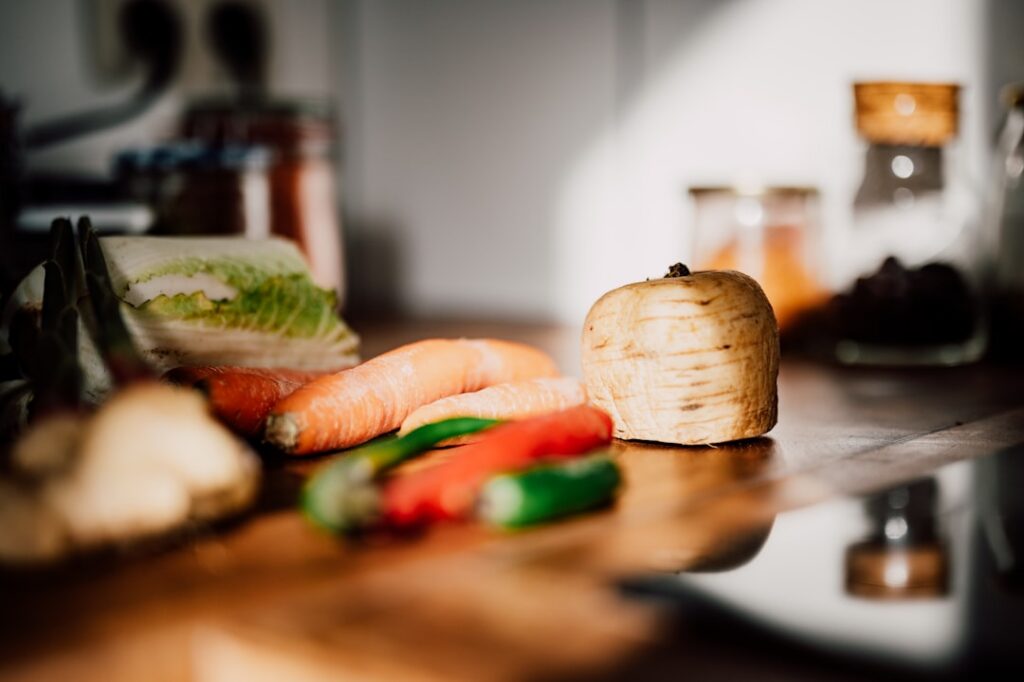 Starting with fresh, high-quality ingredients is the secret to delicious homemade pickles.
The Benefits of Embracing Homemade Pickles
Beyond the delicious taste, making your own pickles offers several advantages:
- Customization: You control the level of sweetness, spice, and unique flavor profiles. Experiment with different vinegars, herbs, and spices!
- Cost-Effective: Pickling is an excellent way to preserve seasonal produce, reducing food waste and saving money.
- No Artificial Additives: Store-bought pickles can sometimes contain artificial colors, flavors, or excessive preservatives. Homemade means clean ingredients.
- Potential Gut Health Benefits: Fermented pickles like kimchi are rich in probiotics, which may support a healthy gut microbiome. Even vinegar-based pickles retain some beneficial compounds from the vegetables.
- Satisfying Hobby: There’s immense satisfaction in creating something delicious from scratch that you can enjoy for weeks or months.
Frequently Asked Questions About Homemade Pickles
Q1: What’s the difference between quick pickles and fermented pickles?
Quick pickles (like most of the items listed above) are made by submerging ingredients in a hot vinegar-based brine and then refrigerating them. They are ready to eat relatively quickly and are preserved by the acidity of the vinegar. Fermented pickles (like kimchi) rely on beneficial bacteria to convert sugars into lactic acid, which preserves the food and creates a distinct sour flavor, often introducing probiotics.
Q2: How long do homemade pickles last?
Refrigerated quick pickles typically last for several weeks to a few months, depending on the ingredients and acidity. Fermented pickles like kimchi, if properly made and stored in the refrigerator, can last for several months.
Q3: Do I need special equipment to make pickles?
Not necessarily! You’ll need glass jars with airtight lids, a saucepan for the brine, and basic kitchen tools. For fermentation, specialized airlocks or weights can be helpful but aren’t strictly required for small batches. Look for the best overnight oats containers or basic mason jars for easy storage.
Final Thoughts: Your Journey to Tangy Homemade Flavor
Embarking on the journey of making homemade pickles is a rewarding experience that enriches your culinary life. From classic dill to exotic kimchi, these easy jar ideas provide a spectrum of tangy flavors that will undoubtedly make you the talk of every potluck and dinner party. So, gather your fresh produce, sterilize those jars, and prepare to savor the incredible taste of pickles people always ask for!
Medical Disclaimer
The information provided in this article is for general knowledge and informational purposes only, and does not constitute medical advice. Always consult with a qualified healthcare professional before making any decisions about your health or diet, especially if you have existing health conditions or dietary restrictions. While homemade pickles can be a healthy addition to a balanced diet, individual results may vary, and proper food safety practices should always be followed to prevent foodborne illness.