In the bustling rhythm of daily life, it’s easy to overlook the microscopic heroes that keep our bodies running smoothly: minerals. These essential nutrients are the unsung foundations of our health, playing critical roles in everything from energy production and bone strength to nerve function and hydration. Far from being mere additions, minerals are indispensable for maintaining optimal metabolic health and overall vitality.
Many busy, health-conscious individuals struggle to understand which foods provide these vital components and how to incorporate them effectively into their diet. This comprehensive guide aims to demystify the world of essential minerals, offering practical insights and simple, actionable strategies to ensure your body gets the nourishment it deserves from whole, natural foods.
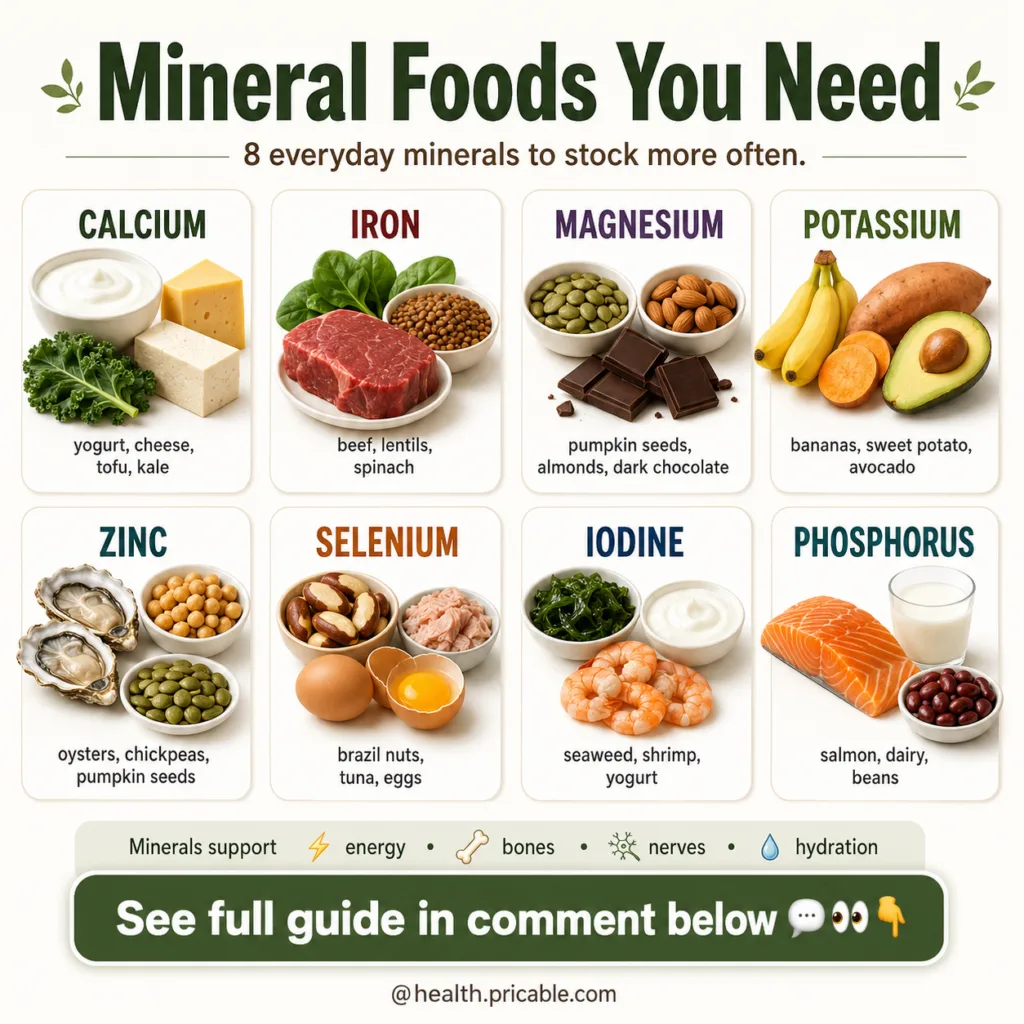 Discover the power of minerals in your daily diet.
Why Minerals Matter: The Building Blocks of Health
Minerals are much more than just trace elements; they are co-factors for thousands of enzymatic reactions in your body. Without them, your body simply can’t perform its fundamental functions. Here’s a glimpse into their profound impact:
- Energy Production: Minerals like iron and magnesium are crucial for converting food into energy, helping you feel vibrant and alert.
- Bone & Teeth Health: Calcium, magnesium, and phosphorus are the primary components that give structure and strength to your bones and teeth.
- Nerve Function: Potassium, sodium, and calcium facilitate nerve impulse transmission, essential for muscle contraction and brain function.
- Fluid Balance & Hydration: Electrolytes such as potassium, sodium, and chloride regulate water balance inside and outside your cells.
- Immune Support: Zinc and selenium are vital for a robust immune system, helping your body fight off infections.
- Metabolic Regulation: Many minerals contribute to blood sugar regulation and thyroid function, key aspects of overall metabolic health.
Your Everyday Mineral Powerhouses: Foods to Embrace
Let’s dive into some of the most critical minerals and where you can find them in delicious, everyday foods. Incorporating these into your easy healthy recipes is a simple step towards better health.
Magnesium: The Relaxation Mineral
Magnesium is involved in over 300 biochemical reactions in the body, influencing everything from muscle and nerve function to blood sugar control and blood pressure regulation. It’s often called the ‘relaxation mineral’ due to its calming effects.
- Food Sources: Leafy green vegetables (spinach, kale), almonds, avocados, dark chocolate, black beans, lentils, whole grains.
- Benefits: Supports muscle and nerve function, promotes restful sleep, helps with blood sugar balance, maintains bone health.
Potassium: The Electrolyte Balancer
Crucial for maintaining proper fluid balance, nerve signals, and muscle contractions, potassium is an essential electrolyte. It works in tandem with sodium to regulate blood pressure.
- Food Sources: Bananas, sweet potatoes, avocados, spinach, lentils, white beans, salmon.
- Benefits: Supports healthy blood pressure, maintains fluid balance, aids muscle function, supports heart health.
Calcium: For Strong Bones and More
Most famous for its role in bone and teeth health, calcium is also vital for blood clotting, muscle contraction, and maintaining a regular heartbeat. It’s a cornerstone of healthy living.
- Food Sources: Dairy products (milk, yogurt, cheese), kale, broccoli, almonds, fortified plant milks, sardines.
- Benefits: Builds strong bones and teeth, supports muscle function, aids nerve transmission.
Iron: The Oxygen Carrier
Iron is fundamental for producing hemoglobin, the protein in red blood cells that carries oxygen from your lungs to the rest of your body. Without enough iron, you can feel tired and weak.
- Food Sources: Red meat, lentils, spinach, pumpkin seeds, tofu, quinoa, fortified cereals.
- Benefits: Prevents fatigue, supports energy levels, aids oxygen transport, boosts cognitive function.
Zinc: The Immune Booster
Zinc is a powerful player in immune function, wound healing, and DNA synthesis. It’s also critical for taste and smell, making your healthy recipes even more enjoyable.
- Food Sources: Oysters, beef, pumpkin seeds, lentils, chickpeas, cashews.
- Benefits: Strengthens the immune system, promotes healing, supports growth and development.
Selenium: The Antioxidant Protector
This trace mineral acts as a powerful antioxidant, protecting your cells from damage. It also plays a key role in thyroid hormone metabolism, essential for regulating your metabolism.
- Food Sources: Brazil nuts (just one or two a day is often enough!), salmon, eggs, chicken, mushrooms.
- Benefits: Acts as a potent antioxidant, supports thyroid health, enhances immune response.
Iodine: The Thyroid Regulator
Iodine is absolutely essential for healthy thyroid function. Your thyroid gland uses iodine to produce hormones that regulate metabolism, growth, and development.
- Food Sources: Seaweed (kelp, nori), cod, eggs, dairy products, iodized salt.
- Benefits: Supports healthy thyroid function, regulates metabolism, essential for brain development.
 A colorful plate is a mineral-rich plate!
Simple Strategies to Boost Your Mineral Intake
Integrating these vital minerals into your daily routine doesn’t have to be complicated. Here are some practical, confidence-building tips for busy individuals:
- Eat the Rainbow: Focus on a diverse array of colorful fruits and vegetables. Each color often signifies different nutrients, including a wide spectrum of minerals.
- Prioritize Whole Foods: Processed foods often strip away essential minerals. Opt for whole, unprocessed foods like fresh produce, lean proteins, nuts, seeds, and whole grains.
- Snack Smart: Replace sugary snacks with mineral-rich alternatives. Think a handful of almonds, an apple with a tablespoon of nut butter, or avocado slices.
- Embrace Leafy Greens: Incorporate spinach, kale, and other greens into smoothies, salads, or cooked dishes daily. They’re mineral powerhouses!
- Smart Cooking Methods: Overcooking can sometimes reduce nutrient content. Steaming, light sautéing, or eating raw can help retain more minerals.
- Hydrate with Intention: While not a food, staying well-hydrated supports mineral absorption and electrolyte balance. Consider adding a squeeze of lemon or a pinch of mineral-rich sea salt to your water.
- Meal Prep for Success: Dedicate a small amount of time to prepare healthy recipes for the week. This ensures you always have nutrient-dense options on hand, making healthy eating easy and sustainable.
Embracing a Mineral-Rich Lifestyle for Lasting Health
Understanding and prioritizing mineral intake is a cornerstone of maintaining optimal metabolic health, boosting energy, and supporting your body’s intricate systems. It’s not about complex calculations or restrictive fad diets, but rather about making informed, practical choices that nourish your body from the inside out.
By focusing on diverse, whole foods, you empower yourself to build a resilient, vibrant body. Start incorporating these mineral-rich foods into your daily meals and experience the tangible benefits of a truly nourished self. Your body will thank you!
Ready for more easy healthy recipes and metabolic health tips?
- Explore our collection of quick and nutritious meal ideas.
- Learn how to optimize your blood sugar balance with food.
- Discover more natural wellness solutions for a healthier you.