In the quest for optimal health, the body’s natural processes often hold the most profound secrets. One such process is autophagy, a remarkable cellular mechanism that literally means “self-eating.” Far from being detrimental, autophagy is a crucial clean-up crew for your cells, recycling damaged components and regenerating new ones, leading to enhanced metabolic health and overall vitality.
Think of autophagy as your body’s built-in detox system, working tirelessly to keep your cells functioning at their best. By clearing out cellular debris, it supports anti-aging, boosts energy, and strengthens your metabolic response. While fasting is a well-known way to trigger autophagy, certain foods can also act as powerful “autophagy-inducing” metabolic cleaners, helping to activate this vital process naturally.
Ready to discover how to support your body’s natural cellular cleansing? Let’s explore 12 powerful foods that can help unlock cellular renewal and contribute to a healthier, more vibrant you.
Understanding Autophagy: Your Body’s Natural Cellular Cleanse
Autophagy is a fundamental catabolic process where cells degrade and recycle their dysfunctional or unnecessary components. This internal cellular recycling program is essential for maintaining cellular health, adaptability, and resilience. When autophagy is efficiently triggered, it can lead to:
- Improved metabolic function and energy production.
- Enhanced cellular repair and regeneration.
- Reduced inflammation and oxidative stress.
- Support for healthy aging processes.
By incorporating specific nutrients and compounds found in everyday foods, you can naturally encourage your body to engage in this vital cleansing process.
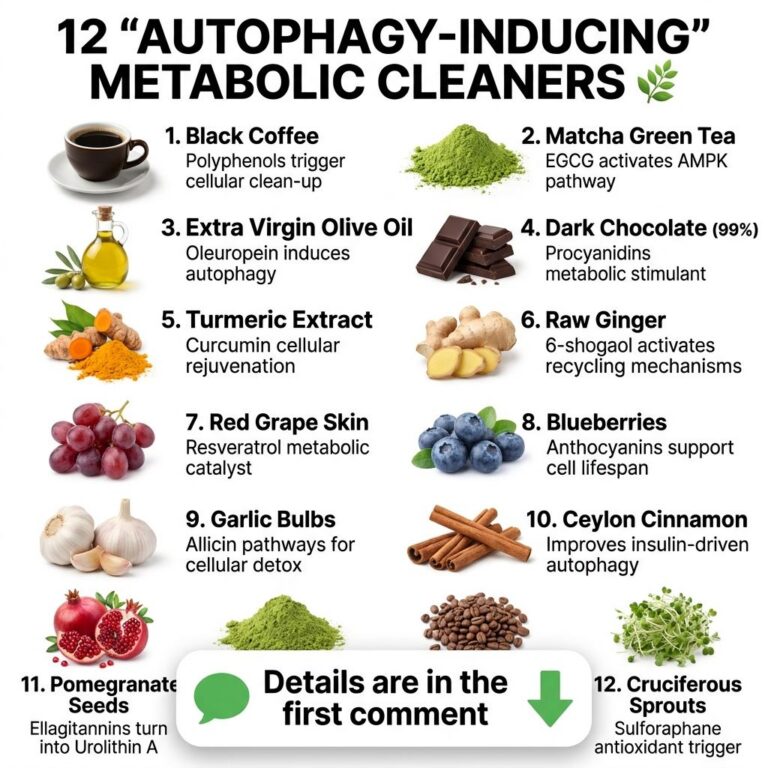
The 12 Autophagy-Inducing Metabolic Cleaners
Here are 12 potent foods that can help trigger autophagy, boost your metabolism, and contribute to your overall well-being:
Matcha Tea: EGCG & L-Theanine for Cellular Repair
More than just a refreshing drink, matcha tea is a powerhouse of beneficial compounds. Its high concentration of Epigallocatechin Gallate (EGCG), a potent antioxidant, is celebrated for its ability to boost metabolism and promote cellular repair. L-Theanine, another amino acid found in matcha, contributes to a calm alertness, making it an excellent brain-supporting beverage. Regular consumption of matcha may help activate autophagy pathways, aiding in cellular clean-up and renewal.
- How to enjoy: Prepare as a traditional hot tea, blend into smoothies, or add to healthy lattes.
Turmeric: Curcumin for Anti-inflammatory Support
This vibrant yellow spice, a staple in traditional medicine, owes much of its power to Curcumin. Turmeric is renowned for its potent anti-inflammatory and antioxidant properties. Chronic inflammation can impede cellular function, and by reducing it, curcumin helps create an environment conducive to efficient autophagy. Its antioxidant action also protects cells from damage, further supporting their natural repair mechanisms.
- How to enjoy: Add to curries, soups, stews, or make a soothing “golden milk” latte.
Ginger: Gingerol for Digestive and Immune Function
Ginger, with its distinctive pungent flavor, contains Gingerol, a bioactive compound responsible for many of its medicinal properties. Ginger is well-known for aiding digestion and bolstering immune function, both of which are crucial for maintaining metabolic health. A healthy digestive system ensures nutrient absorption and efficient waste elimination, indirectly supporting cellular vitality and the autophagy process.
- How to enjoy: Steep fresh ginger slices for tea, add grated ginger to stir-fries, or include in smoothies.
Coffee: Polyphenols for Cell Regeneration
Good news for coffee lovers! Your daily cup might be doing more than just waking you up. Coffee is rich in Polyphenols, powerful antioxidants that contribute to enhanced cell regeneration and energy production. Studies suggest that moderate coffee consumption may activate autophagy and support cellular repair mechanisms, making it a surprisingly beneficial addition to an autophagy-friendly diet.
- How to enjoy: Drink black coffee, or with a splash of milk/plant-based alternative, avoiding excessive sugar.
Extra Virgin Olive Oil (EVOO): Oleuropein for Heart Health and Longevity
A cornerstone of the Mediterranean diet, Extra Virgin Olive Oil is more than just a cooking oil. It contains Oleuropein, a compound with significant antioxidant and anti-inflammatory properties that supports heart health and may contribute to longevity. Oleuropein has been shown to induce autophagy, helping cells clean themselves and potentially extending their healthy lifespan.
- How to enjoy: Drizzle over salads, roasted vegetables, or use as a base for healthy dressings. Choose high-quality, cold-pressed EVOO.
Pomegranate: Punicalagins & Ellagic Acid as Powerful Antioxidants
These ruby-red jewels are bursting with potent antioxidants like Punicalagins and Ellagic Acid. Pomegranates offer strong protective effects against oxidative stress, which can damage cells and hinder autophagy. By combating free radicals, pomegranates help maintain cellular integrity and support the body’s natural cleansing and repair processes.
- How to enjoy: Eat the arils fresh, add to salads, or drink pure pomegranate juice (in moderation due to sugar content).
Sprouts: Sulforaphane for Cellular Detoxification
Don’t underestimate the power of sprouts! Broccoli sprouts, in particular, are an excellent source of Sulforaphane. This compound is a superstar when it comes to cellular detoxification and fighting inflammation. Sulforaphane actively promotes the production of enzymes that help cells rid themselves of toxins, making it a key player in supporting efficient autophagy and metabolic clean-up.
- How to enjoy: Add to sandwiches, salads, wraps, or blend into smoothies for a nutrient boost.
Red Wine (Resveratrol): Promoting Cell Longevity (in Moderation)
The compound Resveratrol, found in red wine (and grape skins), has garnered attention for its potential role in promoting cell longevity and activating autophagy pathways. While its benefits are widely discussed, it’s crucial to emphasize moderation. The idea is to enjoy red wine in small quantities as part of a balanced lifestyle, rather than consuming it for its health benefits alone.
- How to enjoy: A small glass with dinner, focusing on quality over quantity.
Dark Chocolate (Cacao): Flavonoids for Blood Flow and Cell Protection
For those who love a treat, dark chocolate offers more than just indulgence. High-quality dark chocolate (with a high cacao percentage) is rich in Flavonoids. These antioxidants improve blood flow, protect cells from damage, and may contribute to activating autophagy. Choose dark chocolate with at least 70% cacao to maximize its health benefits.
- How to enjoy: Enjoy a small square as a snack, or melt and drizzle over berries.
Berries: Anthocyanins for Brain Health and Oxidative Stress Reduction
Strawberries, blueberries, raspberries, and blackberries are packed with Anthocyanins, the pigments responsible for their vibrant colors. These powerful antioxidants are particularly beneficial for supporting brain health and significantly reducing oxidative stress throughout the body. By neutralizing free radicals, berries help protect cells and enable their natural repair and recycling processes.
- How to enjoy: Add to oatmeal, yogurt, smoothies, or eat fresh as a snack.
Grapes: Resveratrol & Proanthocyanidins for Anti-Aging and Cell Renewal
Similar to red wine, grapes themselves contain Resveratrol, alongside other beneficial compounds like Proanthocyanidins. These work synergistically to provide anti-aging benefits and support cell renewal. Grapes, especially with their skins on, offer a natural source of these autophagy-supporting compounds, aiding in the maintenance of youthful cellular function.
- How to enjoy: Eat fresh as a snack, add to fruit salads, or freeze for a refreshing treat.
Mushrooms: Beta-Glucans for Immunity and Cellular Defense
Mushrooms, from shiitake to reishi, are valuable additions to any health-conscious diet. They are a significant source of Beta-Glucans, polysaccharides known for their powerful immune-boosting properties and role in cellular defense. By strengthening the immune system and protecting cells, mushrooms indirectly support the body’s ability to maintain healthy cellular turnover and activate autophagy.
- How to enjoy: Sautéed, added to soups, stir-fries, or as a meat substitute in various dishes.
Incorporating Autophagy-Inducing Foods into Your Daily Routine
Making these foods a regular part of your diet doesn’t have to be complicated. Start by choosing a few that you enjoy and find easy to integrate:
- Breakfast Boost: Add berries and matcha to your morning smoothie or oatmeal.
- Lunch & Dinner: Include sprouts in your sandwiches, use EVOO for dressings, and add turmeric/ginger to your cooking.
- Snacks: Enjoy a small portion of dark chocolate or a handful of grapes.
- Hydration: Opt for green tea or black coffee in moderation.
Consistency is key. By regularly nourishing your body with these metabolic cleaners, you provide the tools it needs to perform cellular maintenance and promote overall health.
Final Thoughts
Embracing the concept of autophagy and supporting it with the right foods is a proactive step towards a healthier, more resilient body. These 12 “autophagy-inducing” metabolic cleaners offer a delicious and natural way to enhance cellular renewal, boost metabolism, and promote your overall well-being. By making conscious choices about what you eat, you empower your body’s innate ability to cleanse, repair, and thrive. Start incorporating these amazing foods today and feel the difference!
Medical Disclaimer
The information provided in this article is for general informational purposes only and does not constitute medical advice. It is not intended to diagnose, treat, cure, or prevent any disease. Always consult with a qualified healthcare professional before making any changes to your diet, especially if you have existing health conditions or are taking medications.