Before you pour that next glass of milk or add it to your morning cereal, have you ever paused to consider if it’s still fresh? Determining if your milk is still good is a common kitchen dilemma, and making the right call is crucial for both taste and food safety. No one wants to experience the unpleasant surprise of spoiled milk!
This guide from Glowra Health will help you quickly and confidently assess the freshness of your milk using simple, everyday signs. We’ll walk you through what to look for, smell for, and feel for at different stages of milk spoilage, empowering you to make smart decisions and reduce food waste in your kitchen.
Let’s dive into the clear indicators that reveal your milk’s true state, helping you enjoy it at its best or know when it’s time to say goodbye.
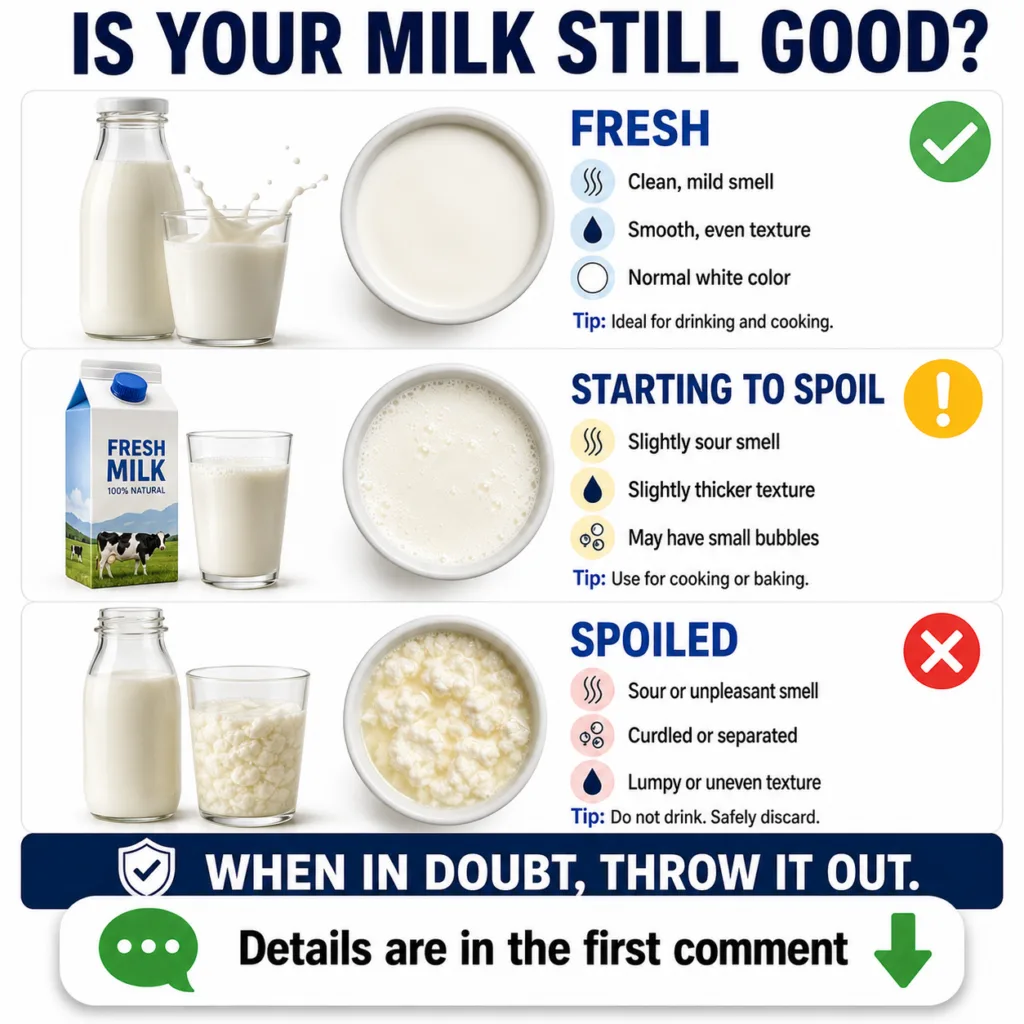
The Stages of Milk Freshness: A Quick Check Guide
Understanding the different stages of milk freshness can prevent unpleasant surprises and ensure you’re consuming dairy safely. Here’s what to look for:
1. Fresh Milk: Perfect for Every Sip
When your milk is fresh, it’s at its peak quality, ideal for drinking, cooking, and adding to anything you desire. It should meet these criteria:
- Smell: Fresh milk has a clean, neutral, and slightly sweet aroma. There should be no sour, pungent, or off-putting odor whatsoever.
- Texture: It is smooth, watery, and completely fluid. When poured into a glass, it flows freely without any lumps, strings, or unusual thickness.
- Appearance: Fresh milk is consistently white or a very pale cream color, with an even consistency throughout. There should be no separation, discoloration, or floating particles visible in the bottle or glass.
2. Milk Starting to Spoil: Still Usable for Cooking?
Sometimes, milk can be just past its prime for drinking but might still be suitable for certain culinary uses. This stage is a delicate balance, so check carefully:
- Smell: You might notice a faint sour smell, distinct from the neutral aroma of fresh milk. It’s not overwhelmingly bad, but definitely hints that freshness is fading.
- Texture: The milk might feel slightly thicker or have a very subtle slimy consistency when poured. While still mostly liquid, it might not flow as freely as truly fresh milk. There could be very fine, barely noticeable particles starting to form.
- Appearance: The color might appear slightly duller, or you may see tiny, almost transparent specks or a slight separation around the edges of the container or in a glass, but no overt curdling.
Can You Use It for Cooking? Milk that is just starting to spoil, showing very minor signs, can sometimes be used in cooked dishes where its slight sourness or texture changes will be masked or neutralized by heat and other ingredients. Think baked goods like muffins or pancakes, or in savory dishes where a slightly tangy flavor might be welcome. However, if the signs are more pronounced, it’s best to err on the side of caution.
3. Spoiled Milk: When It’s Time to Discard
Once milk reaches this stage, it is unequivocally bad and should not be consumed, even for cooking. Using spoiled milk can lead to illness.
- Smell: The odor will be distinctly sour, pungent, and highly unpleasant. There’s no mistaking the strong, off-putting smell of truly spoiled milk.
- Texture: Spoiled milk will be visibly lumpy, curdled, or clumpy. It will pour in thick, irregular globs rather than a smooth liquid. It might also feel slimy or stringy.
- Appearance: The milk will appear separated, with solid curds floating in a watery liquid (whey). There may be a noticeable yellowish tint, or even mold growing on the surface or around the rim of the container.
Safe Disposal: When milk reaches this stage, it’s crucial to dispose of it safely. Pour it down the drain (if it’s not too chunky to clog pipes) and rinse the container. Do not attempt to consume it.
When in Doubt, Throw It Out: A Golden Rule for Food Safety
This timeless food safety adage is particularly relevant when it comes to milk. While we all want to reduce food waste, your health is paramount. If you’ve gone through the checks above and still feel uncertain about your milk’s freshness, the safest decision is always to discard it. The potential risks of consuming spoiled milk, which can include upset stomach, nausea, or other digestive issues, far outweigh the small cost of replacing a carton.
Trust your senses and prioritize your well-being. A quick check can save you from an unpleasant experience and ensure you’re always consuming fresh, wholesome dairy products.