Making smarter food swaps is one of the most impactful steps you can take toward a healthier lifestyle. In a world brimming with convenient, yet often less nutritious, options, choosing wisely can feel overwhelming. However, small, intentional changes to your daily diet can lead to significant improvements in energy, mood, and long-term well-being.
At Glowra Health, we believe that embracing better nutrition doesn’t have to mean drastic overhauls. It’s about empowering yourself with knowledge and making conscious choices that nourish your body. This guide breaks down essential smarter food swaps, helping you understand which common foods to reconsider and which nutrient-packed alternatives to embrace.
By understanding the ‘why’ behind each swap, you’ll be better equipped to build sustainable healthy eating habits that truly last.
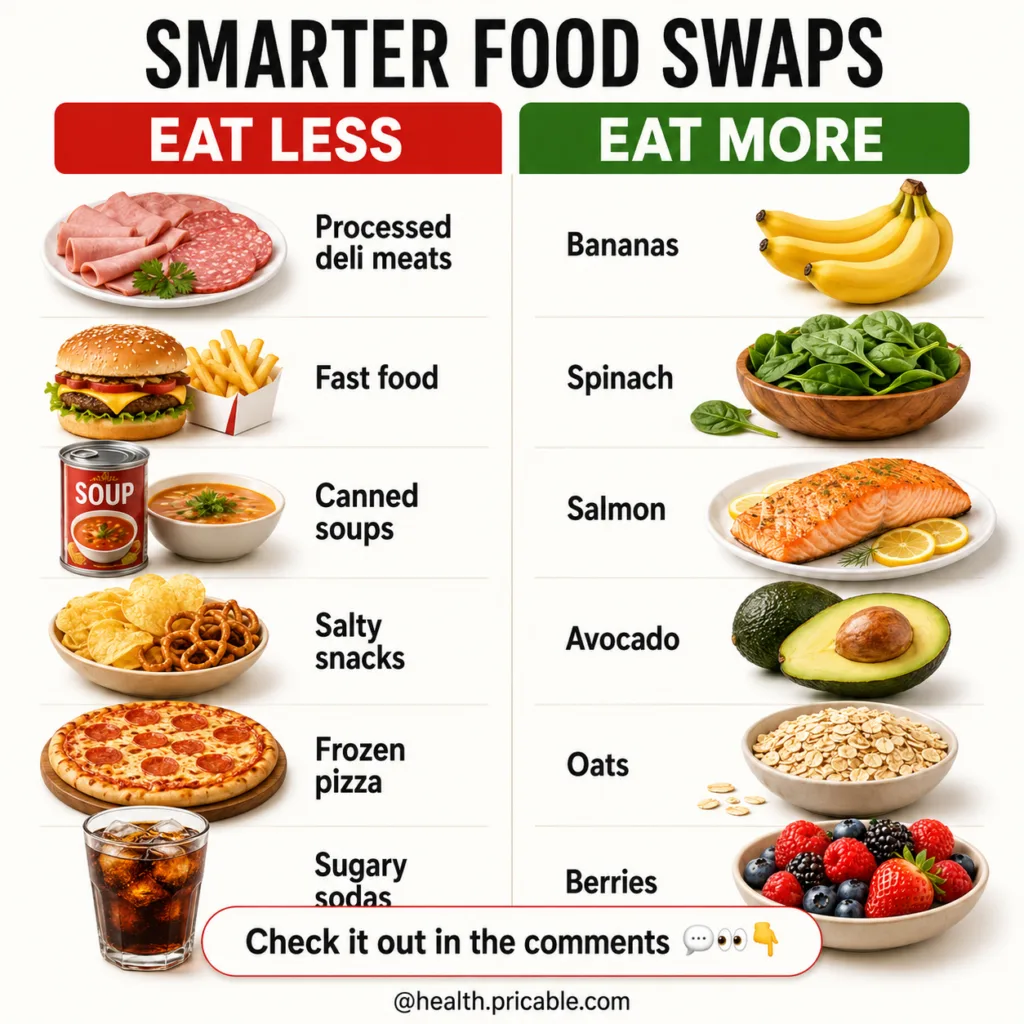 Making simple food swaps can dramatically improve your diet.
Understanding Smarter Food Swaps for a Healthier You
Smarter food swaps are all about replacing less nutritious items with wholesome, nutrient-dense alternatives. It’s not about deprivation, but rather about upgrading your plate to provide your body with the fuel it truly needs. These swaps can help reduce your intake of harmful ingredients like excessive sodium, unhealthy fats, and added sugars, while boosting your consumption of essential vitamins, minerals, fiber, and healthy fats.
Foods to Eat Less Of (and Why)
Many popular convenience foods are high in ingredients that can negatively impact your health over time. Reducing your intake of these items is a cornerstone of a healthier diet.
Processed Deli Meats
- Deli meats like ham, turkey, and salami are often loaded with sodium, nitrates, and other preservatives to extend their shelf life. High consumption of processed meats has been linked to increased risks of heart disease and certain types of cancer.
Fast Food
- Convenient but costly to your health, fast food items like burgers and fries are typically high in unhealthy saturated and trans fats, excessive sodium, and refined carbohydrates, while lacking essential nutrients and fiber. Regular intake can contribute to weight gain, high blood pressure, and other metabolic issues.
Canned Soups
- While seemingly wholesome, many canned soups are surprisingly high in sodium and can contain artificial flavors and preservatives. Excessive sodium intake can lead to high blood pressure and increased risk of heart disease.
Salty Snacks
- Chips, pretzels, and other salty snacks offer little nutritional value beyond empty calories. They are often high in unhealthy fats, sodium, and refined carbohydrates, contributing to weight gain and blood pressure issues without providing sustained energy or satiety.
Frozen Pizza
- Quick and easy, but often a nutritional trap. Frozen pizzas frequently contain high levels of sodium, saturated fats, refined white flour crusts, and artificial ingredients. They typically offer minimal fiber and protein, making them less than ideal for regular consumption.
Sugary Sodas
- Sugary sodas are perhaps one of the worst offenders when it comes to empty calories. Packed with added sugars, they contribute to weight gain, increased risk of type 2 diabetes, dental problems, and can offer no nutritional benefit whatsoever.
Foods to Eat More Of (and Why)
Conversely, focusing on whole, unprocessed foods is key to enhancing your nutrient intake and supporting overall health. These foods provide sustained energy, essential vitamins, and disease-fighting compounds.
Bananas
- A natural energy booster, bananas are an excellent source of potassium, which is vital for heart health and muscle function. They also provide dietary fiber and B vitamins, making them a satisfying and nutritious snack.
Spinach
- This leafy green powerhouse is low in calories but rich in vitamins K, A, and C, as well as iron, folate, and antioxidants. Incorporating spinach into your diet can support bone health, vision, and immune function.
Salmon
- One of the best sources of omega-3 fatty acids, salmon is crucial for brain health, heart health, and reducing inflammation. It’s also an excellent source of high-quality protein and vitamin D.
Avocado
- Creamy and delicious, avocados are packed with healthy monounsaturated fats, which are good for your heart and can help with nutrient absorption. They also provide fiber, potassium, and several B vitamins.
Oats
- Whole grain oats are renowned for their soluble fiber, particularly beta-glucan, which can help lower cholesterol levels and stabilize blood sugar. They provide sustained energy and support gut health, making them an ideal breakfast choice.
Berries
- Strawberries, blueberries, raspberries, and blackberries are bursting with antioxidants, fiber, and vitamins (especially Vitamin C). They offer natural sweetness with a lower sugar content compared to many other fruits, making them perfect for snacks or meal additions.
Making Smarter Swaps a Habit
Integrating these smarter food swaps into your daily routine doesn’t have to be complicated. Start small and gradually replace items over time. For example:
- Rethink Your Lunches: Instead of processed deli meat sandwiches, opt for a salad with grilled salmon or a banana as part of your meal.
- Snack Smarter: Swap salty chips for a handful of berries or a serving of oats.
- Hydrate Better: Replace sugary sodas with water, unsweetened tea, or water infused with fresh berries or cucumber.
- Cook at Home: Minimize fast food and frozen pizzas by planning homemade meals using whole ingredients like spinach, salmon, and avocado.
- Check Labels: Be mindful of sodium and sugar content in packaged foods like canned soups.
Consistency is key. Each healthy choice you make builds momentum toward a more vibrant, energized you.
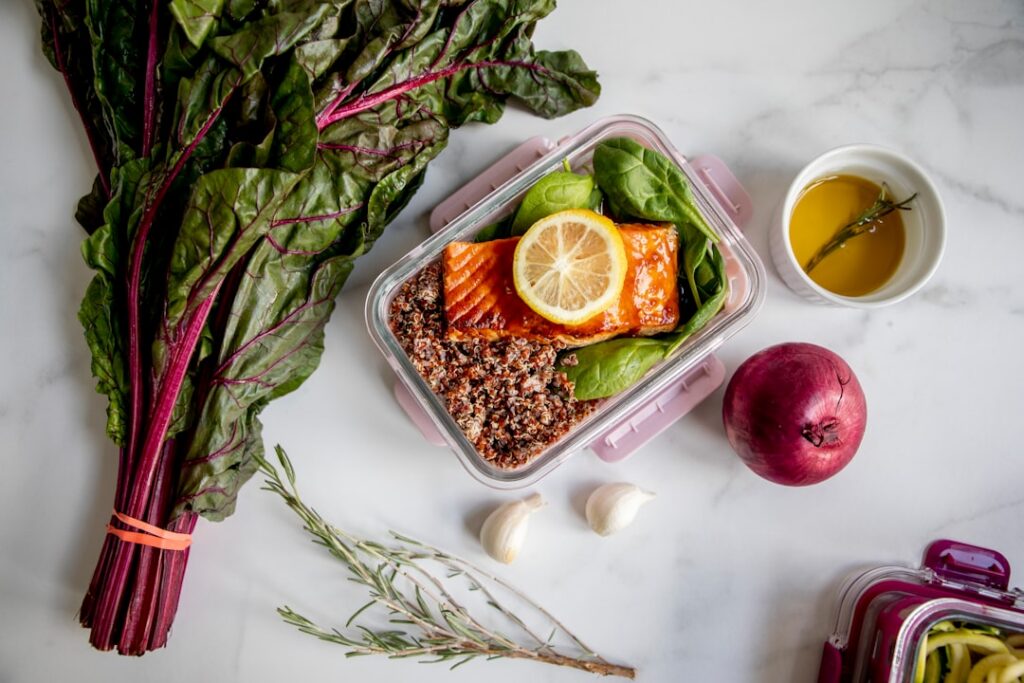 Meal prepping with whole foods makes healthier choices easier throughout the week.
Frequently Asked Questions About Food Swaps
Are these swaps suitable for weight loss?
Yes, many of these swaps can support weight loss. Replacing calorie-dense, nutrient-poor foods with nutrient-rich, fiber-packed options like whole fruits, vegetables, and lean proteins helps you feel fuller longer, naturally reducing overall calorie intake.
How quickly will I see results from making these swaps?
Results vary, but many people report feeling more energized and less bloated within a few days or weeks of consistently making smarter food choices. Long-term benefits like improved heart health and stable blood sugar develop over time.
Can I still enjoy some of the ‘eat less’ foods occasionally?
Balance is key. The goal is progress, not perfection. Occasional indulgence in some ‘eat less’ foods is fine, but the majority of your diet should consist of nutrient-dense, whole foods. Focus on mindful consumption rather than strict elimination.