Ever wondered if the secret to a stronger, healthier body lies simply in your kitchen? It absolutely does! Fueling your body with the right everyday foods is a powerful way to support its intricate systems, from your bones and muscles to your immune defenses and digestive health. What you choose to put on your plate daily can make a profound difference in how you feel and function.
This guide will walk you through a selection of essential foods, revealing how each can contribute to specific aspects of your total body wellness. Get ready to discover simple, delicious ways to nourish yourself from the inside out and unlock a stronger, healthier you.
Nourishing Your Bones for Strength and Support
Strong bones are the foundation of a healthy, active life, providing structure, protecting organs, and anchoring muscles. Ensuring your diet provides ample support for bone health is crucial at every age.
Milk: The Classic Bone Builder
Milk is renowned for its rich calcium content, a primary mineral essential for building and maintaining strong bones. It also often comes fortified with Vitamin D, which is vital for calcium absorption.
Yogurt: Creamy Support for Your Skeletal System
Similar to milk, yogurt is an excellent source of calcium and often Vitamin D. Its probiotic benefits also contribute to overall gut health, which can indirectly support nutrient absorption, including those critical for bones.
Cheese: A Delicious Source of Calcium
Cheese offers a concentrated dose of calcium, making it a flavorful way to meet your daily requirements. Many varieties also provide protein, another building block for strong bones.
Boosting Your Immunity: Nature’s Defenders
A robust immune system is your body’s first line of defense against illness. Certain foods are packed with vitamins and compounds that help fortify your natural protective mechanisms.
Lemon: A Zesty Immunity Enhancer
Lemons are bursting with Vitamin C, a powerful antioxidant known for its role in supporting immune function. Regular intake can help your body fight off infections and reduce inflammation.
Garlic: The Pungent Protector
For centuries, garlic has been valued for its medicinal properties, thanks to compounds like allicin. It’s known to have antimicrobial and antiviral effects, making it a potent immune booster.
Ginger: The Soothing Root for Wellness
Ginger contains gingerol, a bioactive compound with anti-inflammatory and antioxidant properties. It’s often used to soothe sore throats, reduce nausea, and support overall immune health.
Supporting Healthy Digestion: Smooth Moves
Efficient digestion is key to nutrient absorption and overall comfort. Foods rich in fiber and natural enzymes can significantly aid your digestive system.
Apples: Fiber-Rich for Gut Health
Apples are an excellent source of dietary fiber, especially pectin, which acts as a prebiotic, feeding beneficial gut bacteria. This promotes regularity and a healthy digestive tract.
Pears: Sweet Relief for Digestion
Like apples, pears are high in fiber, particularly insoluble fiber, which helps add bulk to stool and facilitates smooth bowel movements. They also contain sorbitol, which can aid digestion.
Bananas: Gentle Fuel for Your Digestive System
Bananas are easy to digest and provide both soluble and insoluble fiber. They also contain prebiotics and electrolytes like potassium, which are important for digestive balance.
Caring for Your Lungs: Respiratory Wellness
While often overlooked, lung health is vital for energy and overall well-being. Certain cruciferous vegetables offer compounds that may help protect and support respiratory function.
Broccoli: A Powerhouse for Lung Health
Broccoli is rich in antioxidants and compounds like sulforaphane, which may help reduce inflammation and protect lung tissue from damage caused by environmental toxins.
Cabbage: Supporting Detoxification
Cabbage, another cruciferous vegetable, contains powerful antioxidants and sulfur-containing compounds that support the body’s natural detoxification processes, which can benefit lung health.
Cauliflower: Versatile and Lung-Friendly
Cauliflower is packed with Vitamin C and other antioxidants that combat free radicals and inflammation, contributing to healthy respiratory function.
Cleansing Your Stomach: Gut Harmony
A healthy stomach environment is the starting point for good digestion. Whole grains are excellent choices for providing gentle cleansing and promoting gut harmony.
Oatmeal: A Soothing Start for Your Stomach
Oatmeal is rich in soluble fiber, particularly beta-glucan, which forms a gel-like substance in the digestive tract. This helps regulate digestion, soothe the stomach lining, and promote beneficial gut bacteria. It’s a fantastic healthy breakfast idea.
Quinoa: Complete Protein for Gut Support
Quinoa is a gluten-free whole grain that offers both fiber and complete protein. Its fiber content aids regularity, while its nutrient profile supports overall gut health and provides sustained energy.
Brown Rice: Wholesome Grains for Digestive Balance
Brown rice is a whole grain that provides essential fiber, helping to keep your digestive system running smoothly. It’s a gentle yet effective way to support gut balance compared to refined grains.
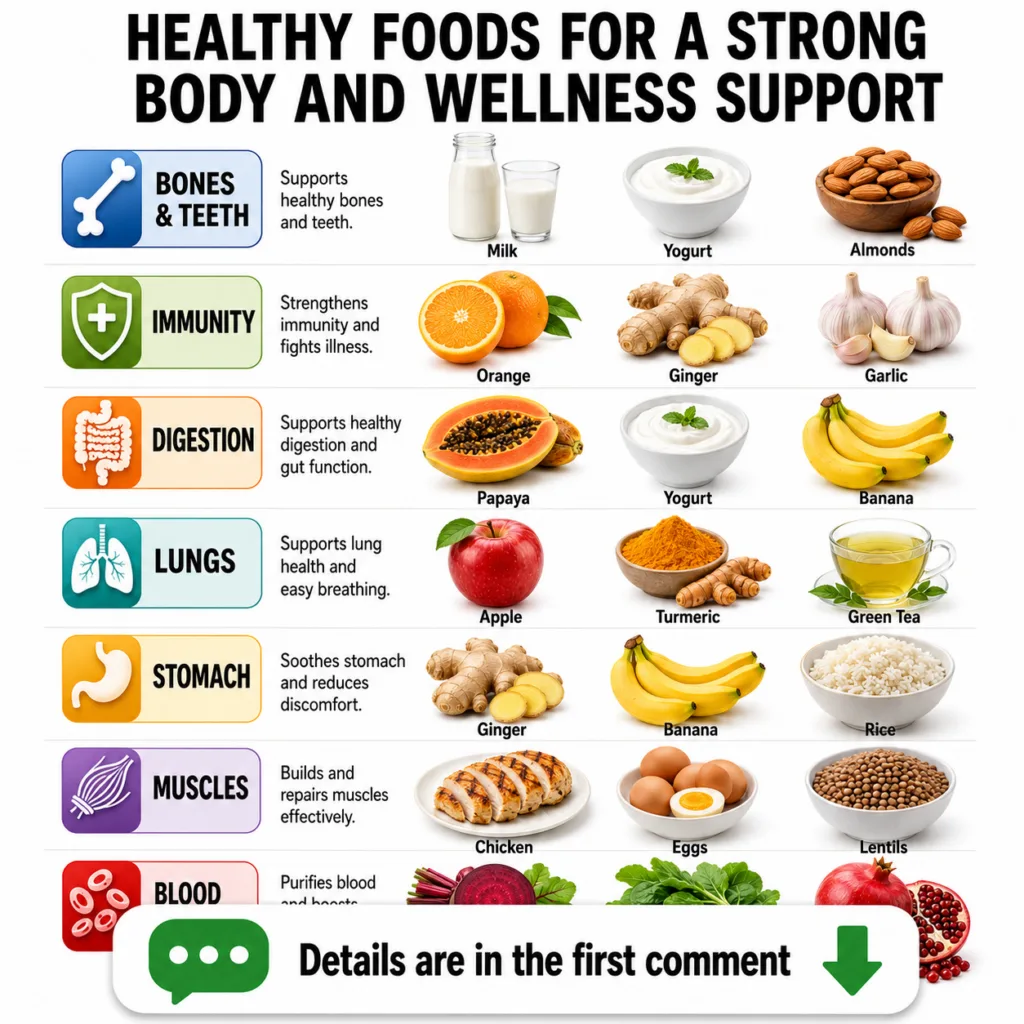
Building and Repairing Muscles: Strength from Within
Muscles are crucial for movement, metabolism, and strength. Protein-rich foods are fundamental for their growth, repair, and maintenance.
Chicken: Lean Protein for Muscle Growth
Chicken is an excellent source of lean protein, providing the essential amino acids your body needs to build and repair muscle tissue. It’s a versatile choice for high protein low calorie meals.
Fish: Omega-3s and Muscle Power
Fatty fish like salmon and tuna not only offer high-quality protein but also provide beneficial omega-3 fatty acids, which can help reduce muscle inflammation and aid recovery.
Eggs: The Ultimate Muscle-Building Food
Often called nature’s multivitamin, eggs are a complete protein source, meaning they contain all nine essential amino acids necessary for muscle synthesis. They are a staple for a high protein breakfast.
Enhancing Blood Circulation: Vitality Flow
Healthy blood circulation ensures that oxygen and nutrients reach every cell in your body. Certain foods can support cardiovascular health and optimize blood flow.
Beets: Nitrates for Better Blood Flow
Beets are rich in nitrates, which the body converts into nitric oxide. Nitric oxide helps relax and widen blood vessels, promoting better blood flow and lower blood pressure.
Pomegranate: Antioxidants for Heart Health
Pomegranate is packed with powerful antioxidants, particularly polyphenols, which can help reduce inflammation, protect blood vessels, and support overall cardiovascular health.
Dark Chocolate: A Treat for Circulation
In moderation, dark chocolate (with a high cocoa content) can be beneficial. It contains flavonoids, which are antioxidants that may improve blood flow, reduce blood pressure, and enhance heart health.
Final Thoughts
Embracing a diet rich in these everyday foods is a simple yet profoundly effective strategy for achieving a stronger, healthier body and sustaining overall wellness. By consciously choosing foods that support specific bodily functions, you’re not just eating; you’re investing in your vitality and longevity. Remember, small, consistent changes in your diet can lead to significant improvements in how you look, feel, and perform. Start today, and experience the transformative power of whole foods!
Internal Link Suggestions:
- 10 Healthy Breakfast Ideas to Boost Your Morning Energy
- Your Guide to a Happy Gut: Foods and Habits for Digestive Wellness
- The Surprising Benefits of Omega-3 Fatty Acids for Your Health
External Sources:
Medical Disclaimer:
The information provided in this article is for general informational purposes only and does not constitute medical advice. Always consult with a qualified healthcare professional before making any changes to your diet, exercise routine, or health regimen, especially if you have any pre-existing medical conditions or concerns.