When you think of Vitamin C, what’s the first food that comes to mind? For most of us, it’s the humble orange. While oranges certainly provide a healthy dose of this essential nutrient, they might not be the powerhouse you imagine. Prepare for a Vitamin C shock: some surprising fruits and vegetables offer significantly more immunity-boosting and skin-loving power than your average citrus.
In this article, we’ll dive into the world of Vitamin C, revealing the true champions that outshine oranges. Get ready to discover new favorites that can supercharge your diet and help you meet your daily Vitamin C needs with ease.
The Vitamin C Contenders: Beyond the Orange Myth
It’s time to shake up your perception of Vitamin C sources. While oranges are good, other foods pack an even more impressive punch. Let’s explore these nutrient-dense options:
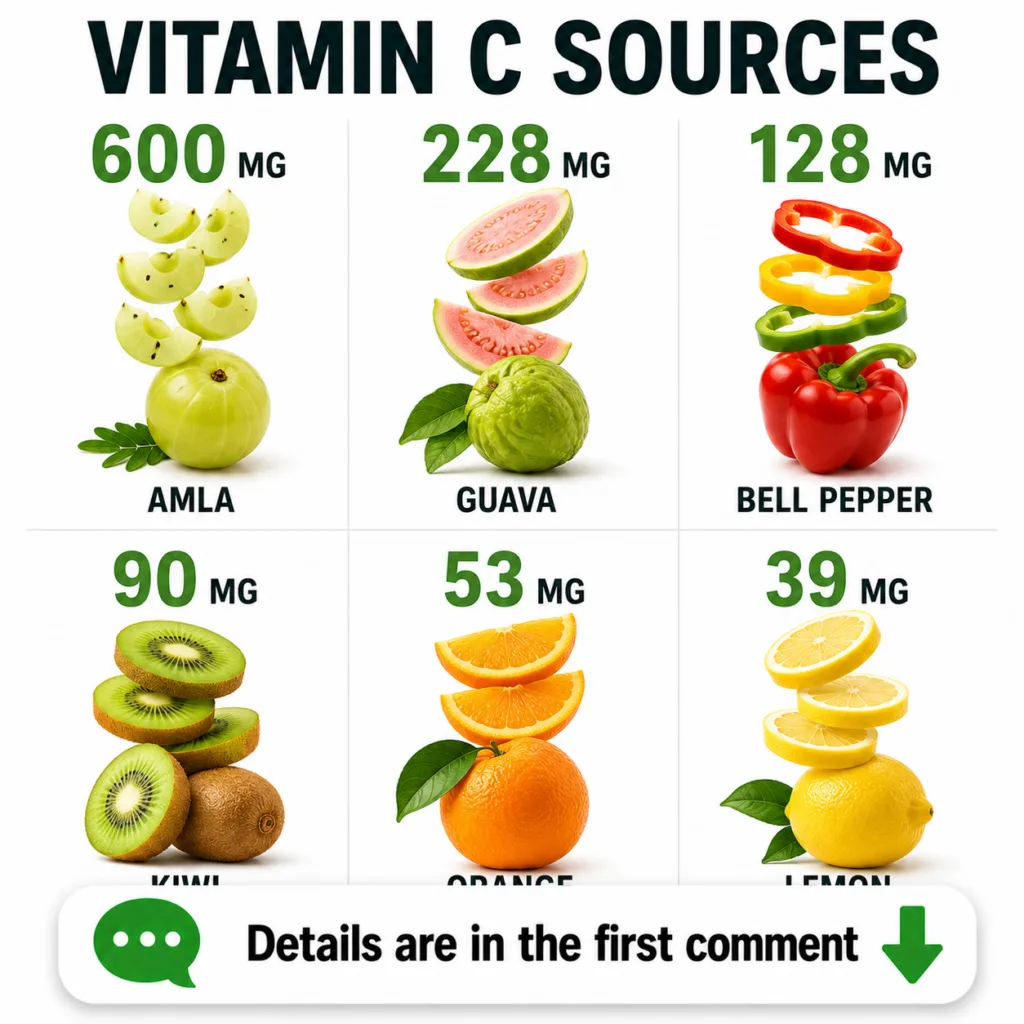
Amla: The King of C (600 MG)
Also known as Indian Gooseberry, Amla stands head and shoulders above the rest as a true Vitamin C powerhouse. With an astonishing 600 MG of Vitamin C, it’s a nutritional titan. This tart, fibrous fruit has been a staple in Ayurvedic medicine for centuries, revered for its immune-boosting and antioxidant properties. Beyond Vitamin C, Amla is rich in polyphenols and flavonoids, contributing to overall well-being and cellular health.
- How to enjoy: Fresh Amla can be very tart, so it’s often consumed as juice, powder (mixed into water or smoothies), pickles, or jams. Amla candies are also a popular way to consume this superfood.
Guava: Tropical Immunity Booster (228 MG)
This sweet, tropical fruit is another surprising champion, offering a substantial 228 MG of Vitamin C. Guava is not only delicious but also packed with fiber, which aids digestion, and antioxidants that protect your cells from damage. Its unique flavor makes it a versatile addition to many dishes.
- How to enjoy: Eat fresh by itself, add to fruit salads, blend into smoothies, or make into juice. Guava paste is also a popular sweet treat.
Bell Peppers: Crunchy Veggie Power (128 MG)
Don’t underestimate the humble bell pepper! Especially the red and yellow varieties, they provide a generous 128 MG of Vitamin C. Bell peppers are also a great source of Vitamin A and antioxidants like carotenoids, which support eye health and reduce oxidative stress. They add a vibrant color and satisfying crunch to any meal.
- How to enjoy: Slice them raw for salads or dips, sauté in stir-fries, roast them, or stuff and bake for a hearty meal.
Kiwi: Small Fruit, Big Benefits (93 MG)
These fuzzy green fruits may be small, but they deliver a mighty 93 MG of Vitamin C. Kiwis are also known for their high fiber content, which promotes healthy digestion, and a range of other antioxidants. They have a unique sweet-tart flavor that brightens up any dish.
- How to enjoy: Peel and eat raw, slice into fruit salads, add to smoothies, or use as a vibrant topping for yogurt or desserts.
Oranges & Lemons: Still Good, But Not Top (53 MG)
While oranges and lemons may not top the Vitamin C charts, providing around 53 MG, they are still excellent sources and play a crucial role in a balanced diet. These citrus fruits are renowned for their refreshing taste, versatility, and the many ways they can enhance both sweet and savory dishes. They also contain other beneficial compounds and electrolytes.
- How to enjoy: Eat oranges fresh as a snack, juice them, or add segments to salads. Lemons are perfect for flavoring water, dressings, marinades, and baked goods.
Why Vitamin C Matters for Your Health
Vitamin C, also known as ascorbic acid, is an essential nutrient that your body can’t produce on its own. It’s involved in numerous bodily functions, making it vital for overall health:
- Immune System Support: Vitamin C is critical for immune function, helping to stimulate the production of white blood cells, which fight infections.
- Powerful Antioxidant: It protects your cells from damage caused by free radicals, which can contribute to chronic diseases and aging.
- Collagen Production: Essential for the synthesis of collagen, a protein vital for healthy skin, hair, nails, joints, and blood vessels.
- Iron Absorption: Vitamin C significantly enhances the absorption of non-heme iron (iron from plant-based sources), which is particularly important for vegetarians and vegans.
- Wound Healing: Due to its role in collagen formation, Vitamin C is crucial for effective wound repair.
FAQs About Vitamin C and Food Sources
Can I get enough Vitamin C from food alone?
Absolutely! As this article shows, many delicious fruits and vegetables are excellent sources of Vitamin C. A balanced diet rich in these foods can easily meet your daily requirements.
Is it better to get Vitamin C from supplements or food?
While supplements can be useful in certain situations (e.g., deficiency), getting Vitamin C from whole foods is generally preferred. Foods offer a synergy of vitamins, minerals, fiber, and other beneficial compounds that work together for optimal health, which supplements often lack.
Do cooking methods affect Vitamin C content?
Yes, Vitamin C is sensitive to heat and water. Prolonged cooking, boiling, and high temperatures can reduce its content. To retain more Vitamin C, opt for raw consumption, steaming, or quick stir-frying.
What are some easy ways to boost my daily Vitamin C intake?
- Start your day with an Amla shot or a guava smoothie.
- Snack on bell pepper strips or kiwi slices.
- Add fresh lemon juice to your water or salads.
- Incorporate various high-Vitamin C fruits into your breakfast, lunch, and dinner.
Final Thoughts: Embrace a Diverse Vitamin C Diet
The