Imagine plucking fresh herbs for your dinner, enjoying a handful of crisp microgreens in your salad, or even harvesting a sweet strawberry, all without stepping foot outside. Sounds like a dream, right? Well, for many of us, limited garden space or challenging weather can make growing our own food feel out of reach. But what if I told you that you have a secret garden waiting to be cultivated, right inside your home?
Your sunny windowsill isn’t just a place for dust bunnies or forgotten trinkets; it’s a prime location for a thriving mini-farm! With a little know-how and a touch of patience, you can transform that sun-drenched spot into a productive edible oasis. It’s truly a joy to nurture something green and delicious, watching it grow day by day, and then incorporating its freshness into your meals.
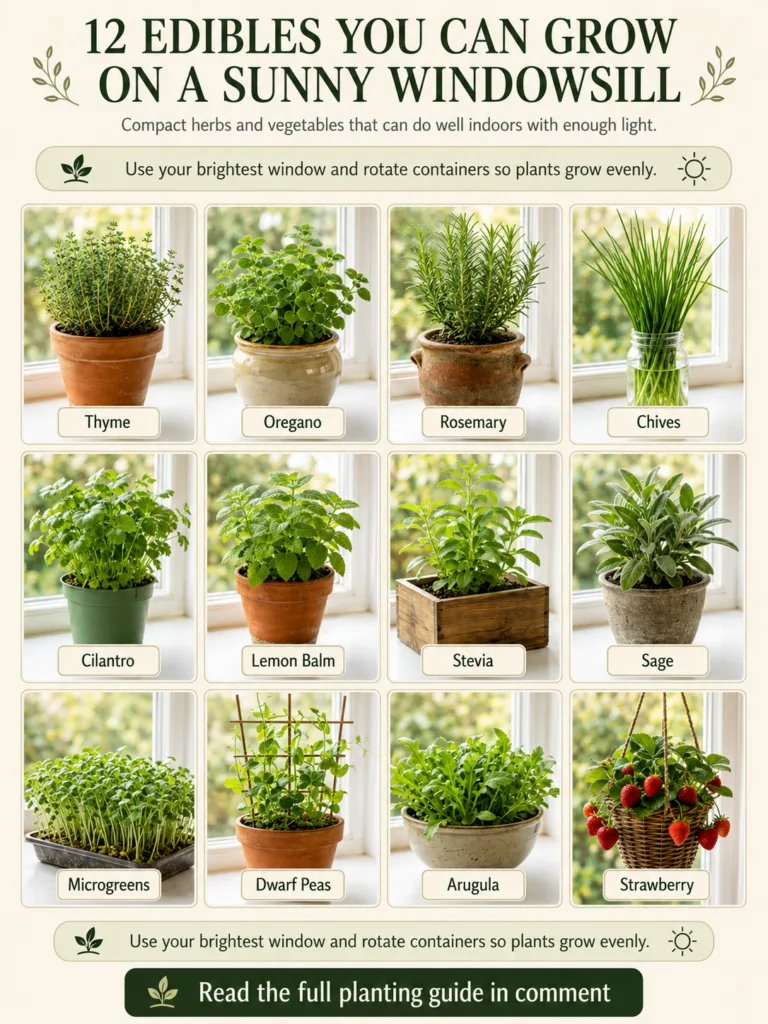 An inspiring collection of edibles ready for your indoor garden.
The Secret Ingredient: Sunlight!
Just like any garden, your windowsill edibles need light. A south-facing window is often ideal as it receives the most direct sunlight throughout the day. East or west-facing windows can also work well, providing several hours of sun. North-facing windows typically don’t offer enough light for most edibles to truly thrive, but you might get away with very low-light tolerant herbs like mint or a few leafy greens with supplemental light.
Think of sunlight as your plants’ food. The more direct, bright light they get, the better they’ll perform, leading to healthier plants and tastier harvests. If your window isn’t quite cutting it, don’t despair! A simple LED grow light can easily supplement natural light, especially during shorter winter days.
Choosing Your Windowsill Wonders: A Dozen Edible Delights
Not all plants are created equal for indoor living. The key is to select varieties that are compact, don’t mind a pot, and are happy with the conditions your home provides. Here are some fantastic options that do particularly well on a sunny windowsill, inspired by fellow gardeners:
- Herbs Galore: Thyme, Oregano, Rosemary, Chives, Cilantro, Lemon Balm, and Sage. These classic herbs thrive with plenty of sun and generally prefer well-draining soil. Regular snipping not only provides you with fresh flavor for your cooking but also encourages bushier growth and prevents them from getting leggy. For cilantro, keep an eye out for bolting (going to seed) in warmer conditions; consistent harvesting and a slightly cooler spot can help extend its life.
- Sweet Leaf: Stevia. This natural sweetener is a joy to grow. It loves a sunny spot and consistent moisture, but be careful not to let its roots sit in soggy soil. You can use its leaves fresh in your tea or dry them for later use.
- Quick & Green: Microgreens and Arugula. If you’re looking for fast gratification, these are your go-to plants! You can sow microgreen seeds and be harvesting nutrient-packed greens in as little as 1-3 weeks. Arugula offers a peppery kick and is ready for harvest in just a few weeks more. Practice succession planting by sowing small batches every couple of weeks to ensure a continuous supply.
- Unexpected Delights: Dwarf Peas and Strawberries. Don’t limit your imagination! Dwarf pea varieties can be grown successfully in pots, though they’ll appreciate a small trellis or even a few chopsticks for their tendrils to climb. Strawberries, especially alpine varieties, can also thrive indoors, offering sweet, small fruits. Ensure they get good airflow and perhaps a gentle shake or brush with a small paintbrush to help with pollination when flowering indoors.
Essential Care Tips for Indoor Edibles
1. The Right Pot & Potting Mix
Drainage is non-negotiable! Choose pots with drainage holes at the bottom. Terracotta pots are excellent as they allow the soil to breathe, but plastic or ceramic with good drainage saucers also work. The size of the pot depends on the plant; generally, herbs and smaller greens are happy in 4-6 inch pots, while larger plants like rosemary or dwarf peas might need 8-10 inches.
Use a good quality potting mix specifically designed for containers. This isn’t garden soil, which is often too heavy and can compact, leading to poor drainage. A light, airy potting mix provides the perfect environment for roots to grow.
2. Watering Wisdom
This is often where new gardeners stumble. The golden rule for potted plants is to water when the top inch or two of soil feels dry to the touch. Stick your finger in – if it’s dry, it’s time to water. Water thoroughly until it drains out the bottom, then empty any excess water from the saucer. Overwatering is a common killer, leading to root rot, so err on the side of slightly dry rather than consistently soggy.
3. Feeding Your Thirsty Plants
Potted plants deplete soil nutrients faster than those in garden beds. After about a month of growth, start feeding your edibles with a balanced, organic liquid fertilizer diluted to half strength, typically every 2-4 weeks. Always follow the product instructions.
4. Pruning for Productivity
Don’t be shy about harvesting! Regular harvesting encourages bushier growth and prevents plants from getting leggy and going to seed too soon. For most herbs, snip off the top few inches of growth. For leafy greens, you can harvest outer leaves or practice the cut-and-come-again method, allowing the plant to regrow for multiple harvests.
Your Thriving Indoor Garden Awaits!
Turning your windowsill into a productive garden is an incredibly rewarding experience. Not only will you have fresh, organic ingredients at your fingertips, but you’ll also enjoy the calming presence of nature right inside your home. It’s a journey of learning and discovery, one plant at a time. So, pick your favorites from our dozen suggestions, gather your pots, and let’s get growing!
What edible plant are you excited to try on your windowsill first? Share your indoor gardening adventures with us!