When you think of Vitamin C, what’s the first food that comes to mind? For many, it’s the classic orange, synonymous with immune support and vibrant health. However, a surprising truth is waiting to be uncovered: while oranges are undoubtedly beneficial, they aren’t the ultimate champions of Vitamin C content. In fact, several lesser-known fruits and vegetables pack a significantly more powerful punch.
This article will take you on a journey to discover the real Vitamin C powerhouses, revealing foods that can help you naturally boost your immunity, enhance skin health, and contribute to overall wellness far beyond what you might expect from common sources. Get ready to rethink your daily dose of this essential nutrient!
The Surprising Truth: Oranges Aren’t Number One
For decades, oranges have held the crown as the go-to source for Vitamin C. While a medium orange provides a respectable amount of this vital nutrient, it pales in comparison to certain other foods. This revelation often comes as a shock to those focused on optimizing their Vitamin C intake.
Understanding where to find the highest concentrations of Vitamin C allows us to make more informed dietary choices, ensuring our bodies receive optimal support for everything from fighting off colds to maintaining glowing skin.
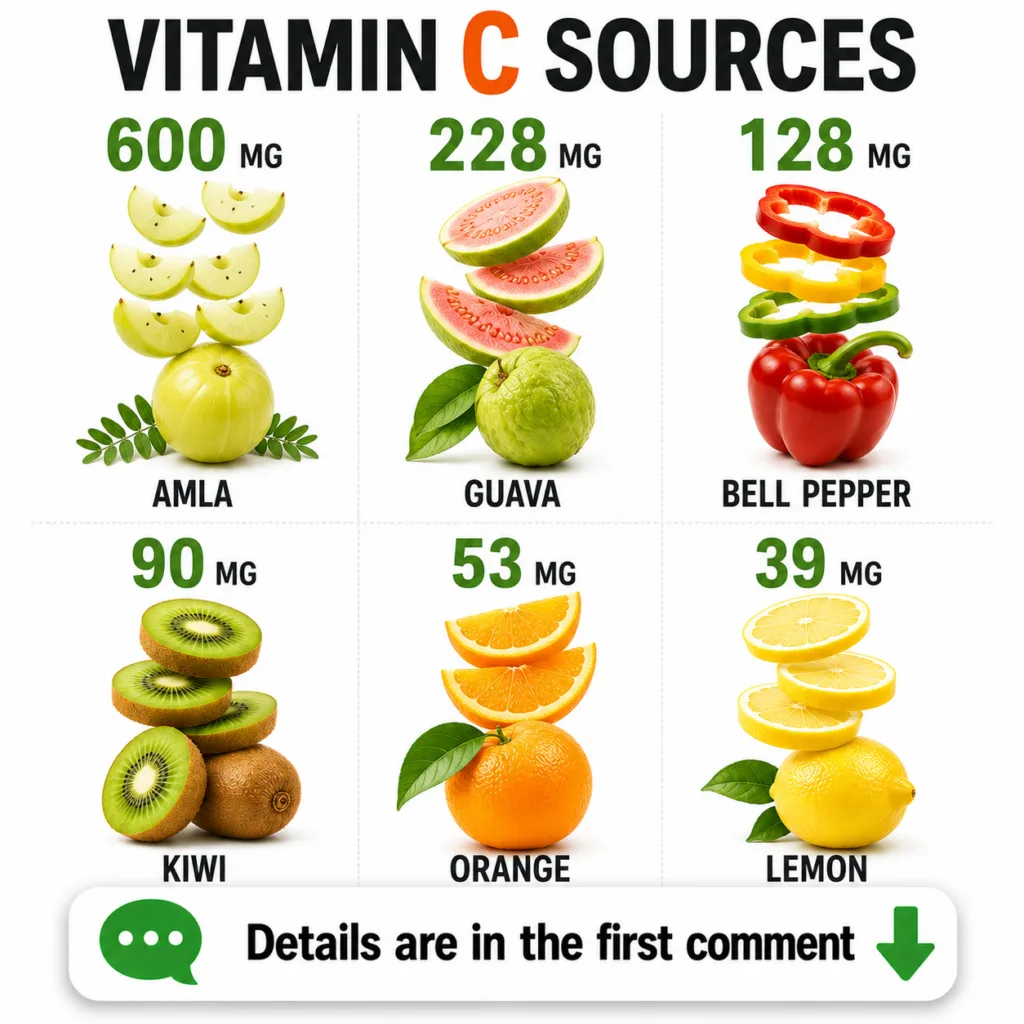
Unveiling the Vitamin C Superstars
Let’s dive into the foods that truly stand out in the Vitamin C arena, significantly outperforming oranges and lemons.
Amla: The Uncontested Champion (600 MG)
Also known as Indian Gooseberry, Amla is by far the most potent Vitamin C source on our list. With an astonishing 600 mg of Vitamin C per serving, it dwarfs all other contenders. Amla is revered in Ayurvedic medicine for its numerous health benefits, including powerful antioxidant properties and its ability to support immunity, digestive health, and radiant skin.
- How to Enjoy: Amla has a tart, slightly bitter taste. It’s often consumed as juice, pickled, or dried. You can find Amla powder to add to smoothies or morning tonics.
Guava: A Tropical Immunity Booster (228 MG)
This tropical fruit is a delightful surprise, offering 228 mg of Vitamin C per serving. Guava is not only rich in Vitamin C but also provides dietary fiber, contributing to digestive health. Its sweet and slightly tangy flavor makes it a delicious addition to your diet, perfect for a natural immunity boost.
- How to Enjoy: Eat fresh, sliced, or add to fruit salads, smoothies, or desserts. Both the flesh and the seeds are edible.
Bell Pepper: More Than Just a Crunch (128 MG)
Often overlooked in the Vitamin C conversation, bell peppers (especially red and yellow varieties) are fantastic sources, providing 128 mg per serving. They are versatile, crunchy, and add a vibrant splash of color to any meal, along with a significant dose of antioxidants and other beneficial nutrients.
- How to Enjoy: Slice them raw for salads or dips, sauté them in stir-fries, roast them, or stuff them.
Kiwi: The Fuzzy Green Dynamo (90 MG)
While not quite in the same league as Amla or Guava, Kiwi still provides a substantial 90 mg of Vitamin C per serving, surpassing oranges. These small, fuzzy fruits are also known for their fiber content and enzymes that aid digestion, making them a great choice for a healthy snack.
- How to Enjoy: Peel and slice fresh, add to fruit salads, smoothies, or as a topping for yogurt and oatmeal.
Where Do Oranges and Lemons Stand?
Despite their reputation, oranges and lemons offer less Vitamin C than the superstars above. However, they are still valuable additions to a balanced diet due to their overall nutritional profile.
Oranges: Still Good, But Not the Best (53 MG)
A medium orange provides around 53 mg of Vitamin C. While this is a decent amount and contributes to your daily intake, it’s important to recognize that it’s not the highest source available. Oranges also provide fiber and other antioxidants.
- How to Enjoy: Eat fresh, juice them, add segments to salads, or use zest in cooking and baking.
Lemons: A Zesty Boost, Not a C Powerhouse (39 MG)
Lemons, with 39 mg of Vitamin C per serving, are excellent for flavoring and hydration but shouldn’t be relied upon as your primary source for a significant Vitamin C boost. They are great for detoxifying and adding a tangy zest to meals.
- How to Enjoy: Squeeze into water, use as a dressing for salads, marinate meats, or add zest to dishes.
Why Vitamin C Matters: Essential Benefits
Vitamin C, also known as ascorbic acid, is an essential nutrient with a wide array of functions in the body. Since the human body cannot produce it, we must obtain it through our diet.
- Immune System Support: Vitamin C is crucial for the proper functioning of the immune system. It helps stimulate the production of white blood cells, which are vital for fighting off infections.
- Powerful Antioxidant: It acts as a powerful antioxidant, protecting cells from damage caused by free radicals, which are linked to chronic diseases and aging.
- Collagen Production: Essential for the synthesis of collagen, a protein vital for healthy skin, blood vessels, bones, cartilage, and gums. This makes Vitamin C a key nutrient for maintaining youthful skin and aiding wound healing.
- Iron Absorption: Vitamin C significantly enhances the absorption of non-heme iron (iron from plant-based sources), which is particularly beneficial for vegetarians and vegans.
- Energy and Mood: It plays a role in the production of neurotransmitters and hormones, which can impact energy levels and mood.
Incorporating More Vitamin C Powerhouses into Your Diet
Boosting your Vitamin C intake from these superior sources is easier than you think. Here are some practical tips:
- Start with Smoothies: Blend Amla powder, guava, or kiwi into your morning smoothie.
- Snack Smart: Keep sliced bell peppers and kiwis handy for healthy, crunchy snacks.
- Juice It Up: Look for Amla juice or incorporate fresh guava juice into your routine.
- Salad Enhancers: Add chopped bell peppers or guava to your lunch and dinner salads for extra crunch and nutrients.
- Meal Prep: Incorporate these fruits and vegetables into your weekly meal prep for easy access.
Frequently Asked Questions About Vitamin C
How much Vitamin C do I need daily?
The recommended daily allowance (RDA) for adults is typically around 75-90 mg, though individual needs can vary. Some sources suggest higher amounts for optimal health.
Can I get too much Vitamin C?
Vitamin C is water-soluble, meaning your body excretes excess amounts. However, very high doses from supplements can sometimes cause digestive upset. It’s generally safe and difficult to consume excessive amounts from food alone.
Are supplements better than food sources for Vitamin C?
While supplements can be useful, obtaining Vitamin C from whole foods is generally preferred. Foods contain a complex array of other beneficial vitamins, minerals, and antioxidants that work synergistically.
Does cooking destroy Vitamin C?
Vitamin C is heat-sensitive. Prolonged cooking or high temperatures can reduce its content in foods. Eating raw or lightly steamed fruits and vegetables helps preserve more of this nutrient.
Final Thoughts
It’s time to re-evaluate our understanding of Vitamin C sources. While oranges will always be a healthy choice, embracing foods like Amla, guava, bell peppers, and kiwi can significantly elevate your intake of this crucial nutrient. By making conscious choices and diversifying your fruit and vegetable consumption, you can truly supercharge your immunity, protect your cells, and support vibrant skin health naturally. Discover the true powerhouses and give your body the best.