Do you have an old shed sitting in your backyard, perhaps a little weathered, a bit forgotten, and mostly just storing unused items? What if I told you that humble structure holds the potential for something truly magical? Imagine stepping into a warm, humid haven filled with lush greenery, the scent of fresh soil, and the promise of year-round harvests. That’s right – your old shed can be transformed into a beautiful, functional greenhouse!
Giving that aging backyard shed a new lease on life isn’t just about repurposing; it’s about extending your growing season, protecting delicate plants, and creating a lovely new destination right in your own garden. It’s a project that combines DIY satisfaction with the endless joy of gardening. Let’s dig in and discover how to make this dream a reality!
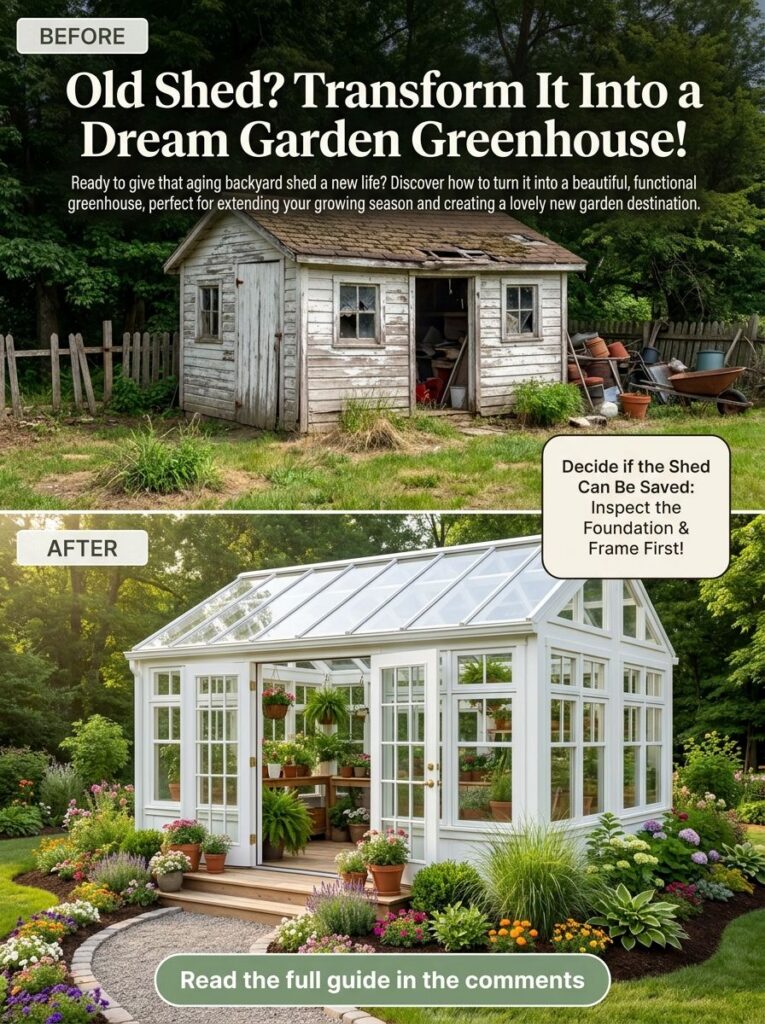
Why Turn Your Shed Into a Greenhouse?
Before we get our hands dirty, let’s chat about why a greenhouse is such a fantastic addition to any gardener’s toolkit:
- Extend Your Growing Season: Greenhouses provide a controlled environment, allowing you to start seeds earlier in spring and keep plants thriving later into fall, or even through winter.
- Protect Delicate Plants: Shield sensitive plants from harsh weather, strong winds, and sudden frosts.
- Grow Exotic Varieties: Experiment with plants that wouldn’t typically survive in your local climate zone, such as tropical flowers or special herbs.
- Pest Control: A greenhouse offers a more contained space, making it easier to manage and prevent common garden pests.
- Propagation Station: Ideal for plant propagation tips, rooting cuttings, and nurturing young seedlings.
- A Peaceful Retreat: Beyond practicality, a greenhouse can be a serene space for relaxation and connecting with nature.
Assessing Your Old Shed: Is It Ready for a Makeover?
Not every shed is created equal, but many have good bones just waiting to be uncovered. Before you start planning, let’s do a quick inspection:
Foundation First!
The very first step is to inspect the shed’s foundation. Is it sturdy and level? A solid foundation is crucial for any structure, especially one that will house valuable plants. Look for signs of rot, cracks, or instability. If you find issues, these will need to be addressed before moving forward. You might need to reinforce existing piers, level uneven spots, or even pour a small concrete slab if the current base is beyond repair. Safety first: ensure the structure is sound!

Structural Integrity and Size
Wiggle the walls! Are they stable? Check the framing for rot, insect damage, or significant warping. Small repairs are usually manageable, but extensive damage might require more advanced carpentry skills or a decision that the shed isn’t suitable. Consider the size of your shed: larger sheds offer more growing space and better temperature regulation, but even a small shed can be transformed into a productive mini-greenhouse.
Location, Location, Location
Where is your shed situated? For optimal plant growth, a greenhouse needs plenty of sunlight. Ideally, it should receive at least six hours of direct sunlight per day, especially during the crucial morning and early afternoon hours. Observe how the sun moves across your property throughout the day and in different seasons. Are there tall trees or buildings casting too much shade? If so, consider pruning branches or a different approach.
Planning Your Dream Greenhouse Conversion
Once you’ve confirmed your shed is a good candidate, it’s time for the fun part: planning!
Light Requirements: Maximum Sunshine!
The primary goal of a greenhouse is to maximize light. You’ll need to remove opaque walls and replace them with transparent materials. Think about the orientation: a south-facing side will generally get the most sun.
Ventilation is Key
Good airflow prevents overheating and helps deter fungal diseases. Plan for vents, either manual or automatic, at both high and low points to create a chimney effect for air circulation. An exhaust fan can also be a game-changer, especially in warmer climates.
Choosing Your Transparent Materials
You have a few options for letting the light in:
- Glass Panels: Classic, beautiful, and excellent light transmission. Can be expensive and fragile.
- Polycarbonate Panels: More durable, lighter, and offer good insulation. Often a more budget-friendly and DIY-friendly option.
- Greenhouse Film: The most economical, but less durable and aesthetically pleasing than other options. Best for temporary or very budget-conscious projects.
Consider using recycled windows or old shower doors for a charming, rustic look and to save on costs.
Step-by-Step: Bringing Your Greenhouse to Life
Ready to get building? Here’s a simplified guide to transforming your shed:
1. Clear Out and Clean Up
Empty the shed completely. Give it a good scrub, removing any cobwebs, dirt, and debris. This is also a good time to patch any small holes or cracks in the remaining solid walls.
2. Demolish and Reframe for Light
Carefully remove sections of the shed’s walls that you intend to replace with windows or transparent panels. This might involve cutting out wall studs to create openings. Measure precisely!
3. Install Your Transparent Panels
Fit your chosen glazing material into the newly created openings. Ensure they are securely fastened and sealed to prevent drafts and leaks. Caulk or weatherstripping will be your best friends here. You might choose to replace the entire roof or just a portion with transparent material for overhead light.
4. Add Ventilation
Install your vents. For simple, passive ventilation, consider adding louvered vents near the base and roof vents at the top. If you’re going for an active system, now’s the time to wire in a fan.
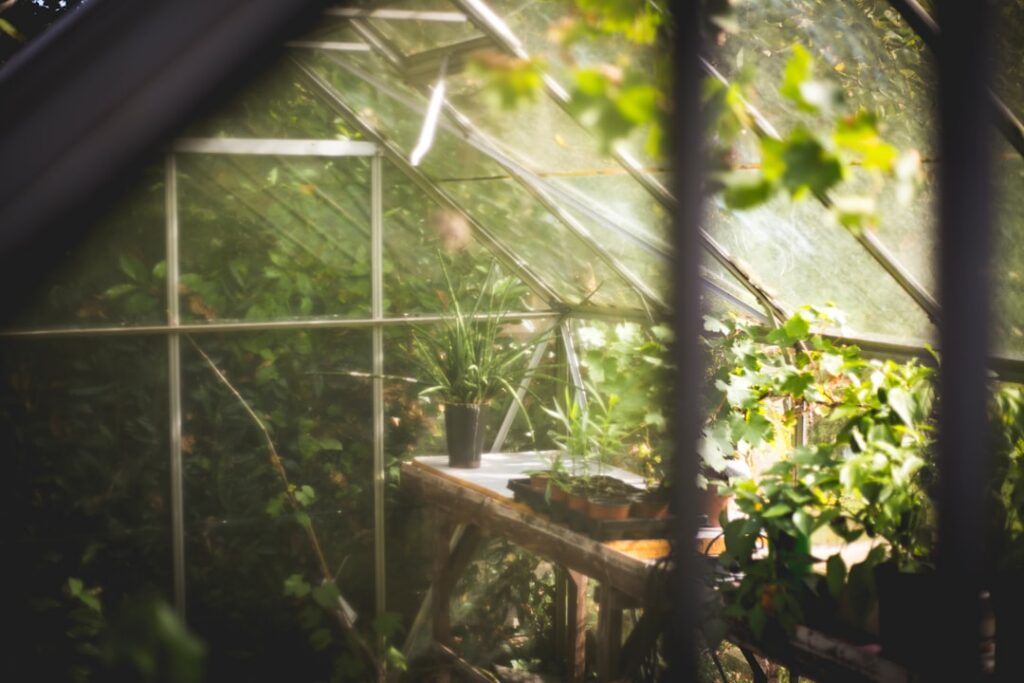
5. Flooring and Insulation (Optional but Recommended)
A simple gravel floor allows for good drainage, or you could opt for pavers or concrete. Consider adding insulation to any remaining solid walls, especially if you live in an area with cold winters. This helps maintain consistent temperatures and saves on heating costs.
6. Set Up the Interior
Install shelving, workbenches, and hanging hooks. Think about vertical garden design to maximize your growing space. Having a dedicated space for potting and tool storage will make your greenhouse even more functional.
Caring for Your Greenhouse Garden
Now that you have your dream greenhouse, it’s time to fill it with plants and help them thrive!
Temperature Management: Finding the Sweet Spot
This is crucial. On sunny days, temperatures inside can soar. Vents, fans, and shade cloth (used on the exterior) are essential to prevent overheating. In colder months, you might need a small heater to keep temperatures above freezing, especially if you’re growing tender plants.
Watering Wisely
Plants in a greenhouse can dry out faster than those outdoors. Consider installing a drip irrigation system for efficiency, or simply be diligent with hand watering. Always check soil moisture before watering. Remember the principles of organic soil health: good drainage is vital, and moist (not soggy) soil encourages healthy root development.
Pest Patrol
Even in a greenhouse, pests can find their way in. Regularly inspect your plants for signs of trouble. Introduce beneficial insects, use sticky traps, and practice good sanitation to keep pests at bay. Early detection is key!
Choosing Your Plants: USA Zone & Beyond
The beauty of a greenhouse is that you can push the boundaries of your typical USA zone plants. You can grow warm-weather characteristic plants like tomatoes, peppers, and cucumbers much earlier and later. Consider citrus trees, orchids, or even a small coffee plant if you’re feeling adventurous! For seed starting, any vegetable or flower seedling will appreciate the consistent warmth.
The Joy of Your New Garden Sanctuary
Transforming an old shed into a greenhouse is more than just a renovation project; it’s an investment in your gardening passion and a step towards greater self-sufficiency. It provides a dedicated space for experimentation, nurturing, and quiet contemplation.
Imagine harvesting fresh greens in the middle of winter, or watching tiny seedlings grow robust and strong, ready for the spring garden. This knowledge truly transforms your daily routine into a thriving, sustainable practice.
Ready to Start Your Transformation?
So, take a fresh look at that old shed. With a bit of planning, some elbow grease, and this guide, you can turn it into a vibrant, productive greenhouse that will bring you joy for years to come. What will you grow first?