In our quest for healthier living, many of us diligently monitor our sugar intake. We know to limit sodas, candies, and obvious desserts. But what if we told you that sugar is often lurking in places you’d least expect? These surprising sugar truths are critical for anyone on a wellness journey, aiming to make healthier choices and understand the real nutrition facts behind their meals.
The journey to sugar awareness begins with understanding where these hidden sweeteners hide. From seemingly healthy breakfast options to savory condiments, added sugars can significantly contribute to our daily intake without us even realizing it. Unlocking these secrets is the first step towards taking control of your diet and truly nourishing your body.
Join us as we reveal the shocking truths about hidden sugars, empowering you with the knowledge to navigate your pantry and grocery aisles with greater confidence. It’s time to expose the stealthy sweetness that might be sabotaging your healthy aesthetic food goals.
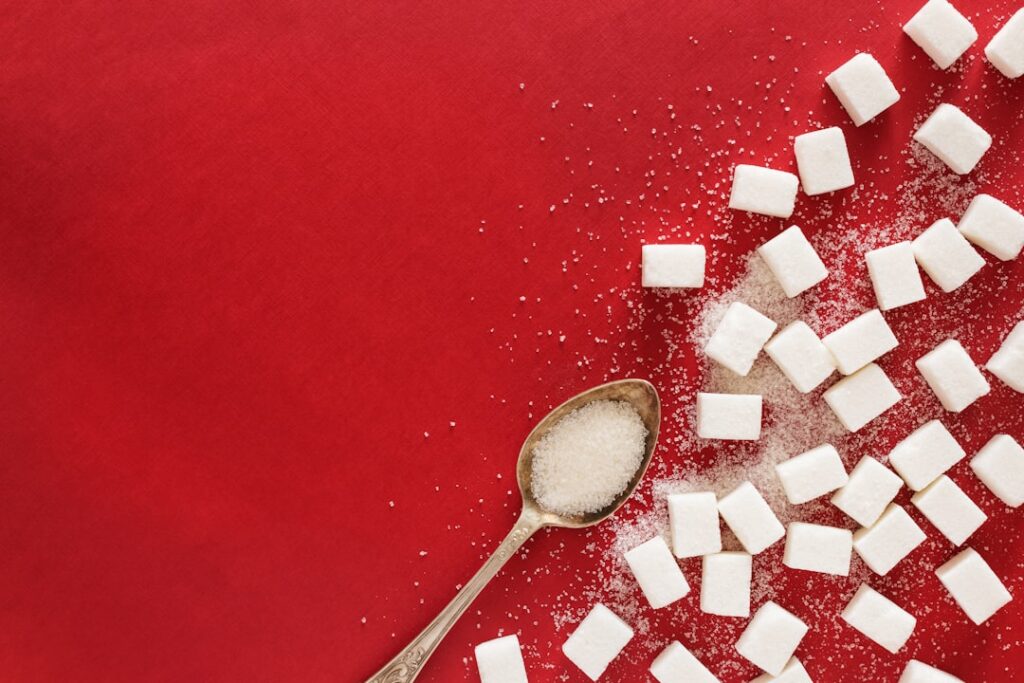
The Stealthy Sweetness: Where Hidden Sugars Lurk
Many foods marketed as ‘healthy’ or ‘natural’ can still contain substantial amounts of added sugar. Understanding these common culprits is essential for truly making informed choices.
1. Yogurts: A Seemingly Healthy Start
Often touted for their probiotics and protein, many flavored yogurts are sugar bombs in disguise. While plain, unsweetened yogurt is a fantastic choice, flavored varieties can pack more sugar than a candy bar. The ‘fruit-on-the-bottom’ or ‘low-fat’ versions are particularly notorious.
- The Truth: Manufacturers add sugar to enhance flavor, especially when fat content is reduced.
- Your Healthy Choice: Opt for plain Greek yogurt and add your own fresh fruit, a sprinkle of cinnamon, or a tiny drizzle of honey. This gives you control over the sweetness.
2. Sauces and Dressings: Savory Surprises
Who would think a savory sauce could be a major sugar source? Yet, many common condiments and salad dressings are loaded with added sugars to balance acidity and enhance flavor. Ketchup, barbecue sauce, pasta sauce, and even some salad dressings are prime examples.
- The Truth: Sugar helps create that addictive balance of sweet, salty, and tangy flavors.
- Your Healthy Choice: Read labels carefully for ‘sugar’, ‘high-fructose corn syrup’, ‘dextrose’, or ‘maltose’. Consider making your own salad dressings with olive oil, vinegar, and herbs, and choose unsweetened or low-sugar versions of your favorite sauces.
3. Breakfast Cereals and Granola Bars
The breakfast aisle is a minefield of hidden sugars, particularly in cereals marketed to children or those promising ‘energy’ or ‘wholeness’. Even seemingly healthy granola can be surprisingly high in sugar, which acts as a binder and flavor enhancer.
- The Truth: Sugar makes cereals and bars palatable and shelf-stable, driving repeat purchases.
- Your Healthy Choice: Prioritize plain oats, whole-grain cereals with minimal ingredients, or homemade granola. If buying bars, look for those with less than 5 grams of sugar per serving and a short ingredient list.
4. Canned Soups and Vegetables: Unexpected Additions
While fresh is always best, canned goods can be convenient. However, many canned soups and even some canned vegetables (like corn or baked beans) contain added sugars to improve taste and texture, or as part of the preservation process.
- The Truth: Sugar can enhance flavor and act as a mild preservative.
- Your Healthy Choice: Always check the nutrition label. Look for ‘no added sugar’ or ‘low sodium’ versions. Rinsing canned vegetables can also help reduce some added sugars and sodium.
5. Fruit Juices and ‘Healthy’ Drinks
Despite being made from fruit, many commercial fruit juices lack the fiber of whole fruit and are often loaded with added sugars. Similarly, sports drinks and vitamin-fortified waters often contain significant amounts of sugar, despite their healthy-sounding claims.
- The Truth: While natural fruit contains sugar, juices concentrate it and often have additional sugars added, leading to a quick sugar spike without the mitigating effects of fiber.
- Your Healthy Choice: Opt for whole fruits instead of juice. If you crave a drink beyond water, try sparkling water with a squeeze of fresh lemon or lime, or unsweetened herbal tea.
Decoding Labels: Your Best Defense Against Hidden Sugars
Becoming a savvy label reader is your most powerful tool in the fight against hidden sugars. Don’t just look for ‘sugar’ on the ingredient list; many other names hide its presence:
- High-fructose corn syrup
- Glucose, fructose, dextrose, maltose, sucrose
- Corn sweetener
- Syrup (corn syrup, rice syrup, maple syrup, golden syrup)
- Molasses
- Evaporated cane juice
- Fruit juice concentrate
- Honey, agave nectar
Remember, ingredients are listed in order of quantity. If sugar (or one of its many aliases) appears near the top, that product likely contains a significant amount.
Embracing a Lower-Sugar Lifestyle: Practical Tips
Armed with these shocking sugar truths, you can begin to make meaningful changes:
- Cook More at Home: This gives you complete control over ingredients.
- Prioritize Whole Foods: Fresh fruits, vegetables, lean proteins, and whole grains naturally have less added sugar.
- Hydrate Smart: Make water your primary beverage.
- Read Every Label: Make it a habit to check the ingredient list and ‘added sugars’ line on the nutrition facts panel.
- Gradually Reduce: Your taste buds will adapt over time. Start by cutting back a little at a time.
Final Thoughts
Uncovering the truth about hidden sugars can be eye-opening, but it’s an empowering step towards a healthier lifestyle. By being aware of where sugar might be lurking and learning to read labels effectively, you can reclaim control over your diet and truly make healthy choices. Embrace this knowledge, and continue your wellness journey with greater confidence and vitality. Your body will thank you for it!
Medical Disclaimer
This article is intended for informational purposes only and does not constitute medical advice. Always consult with a qualified healthcare professional before making any changes to your diet or health regimen.