If you’ve ever searched for quick weight-loss solutions online, you’ve probably come across meal plans promising dramatic results like “Lose 10 kg in 10 days.” While these claims can sound appealing, it’s important to understand what healthy and sustainable weight loss actually looks like.
The meal plan shown in the image includes nutritious foods such as eggs, green tea, grilled chicken, vegetables, oatmeal, fruits, almonds, and plenty of water. Many of these foods can absolutely be part of a healthy eating pattern. However, the promise of losing 10 kilograms in just 10 days is unrealistic for most people and is not supported by current nutrition guidelines.
Let’s take a closer look at what this meal plan offers and how you can adapt its principles for long-term success.
Can You Safely Lose 10 kg in 10 Days?
For most healthy adults, losing 10 kg (about 22 pounds) in only 10 days is not considered safe or realistic.
Rapid weight loss often results from a combination of:
- Water loss
- Glycogen depletion
- Muscle loss
- Severe calorie restriction
Rather than focusing on quick fixes, health experts generally recommend gradual weight loss through a balanced diet, regular physical activity, and consistent healthy habits.
What This Meal Plan Gets Right
Although the headline may be misleading, several foods included in this plan are nutritious choices.
Breakfast
The suggested breakfast includes:
- Two boiled eggs
- Green tea
- One small apple
This combination provides:
- High-quality protein from eggs
- Fiber from the apple
- Hydration with green tea
Protein and fiber may help increase fullness, making it easier to control hunger throughout the morning.
Lunch
Lunch consists of:
- Vegetable soup
- Grilled chicken
This meal offers lean protein alongside vegetables, which provide vitamins, minerals, and dietary fiber.
Adding more colorful vegetables or a serving of whole grains could make the meal even more balanced.
Afternoon Snack
The snack includes:
- One orange
- A handful of almonds
This pairing combines:
- Vitamin C
- Healthy fats
- Fiber
- Plant protein
Healthy snacks like these may help reduce cravings before dinner.
Dinner
The suggested dinner features:
- Oatmeal
- Warm water
Oats are rich in soluble fiber, particularly beta-glucan, which may support heart health and help you feel satisfied after eating.
To create a more balanced evening meal, consider adding a source of protein such as Greek yogurt, cottage cheese, tofu, or nuts.
Evening Hydration
Lemon water is a refreshing, low-calorie beverage that can help you stay hydrated. While lemon water is often associated with weight-loss trends, there is no evidence that it directly burns body fat.
Its main benefits come from encouraging adequate fluid intake and replacing sugary drinks.
Healthy Foods Featured in This Meal Plan
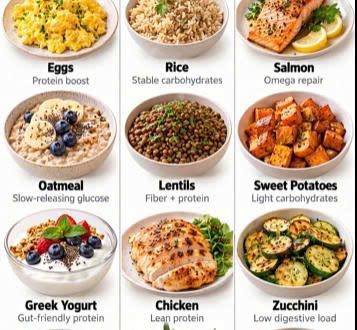
Several nutrient-dense foods appear throughout the plan, including:
- Eggs
- Chicken breast
- Apples
- Oranges
- Almonds
- Oatmeal
- Vegetable soup
- Green tea
These foods provide a combination of:
- Protein
- Fiber
- Healthy fats
- Vitamins
- Minerals
- Antioxidants
Including a variety of these foods as part of a balanced eating pattern can support overall health.
Tips for Sustainable Weight Management
Instead of following extremely restrictive diets, consider building habits you can maintain over time.
Helpful strategies include:
- Prioritize lean protein at every meal.
- Fill half your plate with vegetables.
- Choose whole grains instead of refined grains.
- Snack on fruit, nuts, or yogurt instead of highly processed foods.
- Stay hydrated throughout the day.
- Aim for regular physical activity that you enjoy.
- Get enough quality sleep each night.
- Practice mindful eating and pay attention to hunger and fullness cues.
Small, consistent changes are often more sustainable than drastic short-term diets.
Common Weight-Loss Myths
Myth: Green tea burns fat on its own.
Green tea contains beneficial plant compounds and may provide a small boost to metabolism, but it is not a magic weight-loss solution.
Myth: Skipping meals helps you lose weight faster.
Skipping meals can increase hunger and may lead to overeating later in the day.
Myth: Eating after 7 p.m. automatically causes weight gain.
Weight management depends more on your overall eating pattern and energy balance than on a specific clock time.
Myth: Drinking lemon water melts body fat.
Lemon water can support hydration, but it does not directly burn fat.
Frequently Asked Questions
Is oatmeal good for weight loss?
Oatmeal is rich in fiber and can help you feel full for longer. Pairing it with a protein source creates a more balanced meal.
Are eggs healthy for breakfast?
Yes. Eggs provide high-quality protein and several essential nutrients, making them a nutritious breakfast option for many people.
Can almonds help with weight management?
Almonds contain healthy fats, protein, and fiber, which may help increase satiety when eaten in appropriate portions.
Is grilled chicken a good source of protein?
Absolutely. Skinless grilled chicken breast is a lean source of protein that fits well into many healthy eating patterns.
How much weight can I safely lose?
Healthy weight-loss goals vary by individual. Gradual weight loss combined with balanced nutrition and regular physical activity is generally considered more sustainable than rapid dieting.
Final Thoughts
The foods featured in this meal plan—such as eggs, grilled chicken, vegetables, fruit, almonds, and oatmeal—can certainly be part of a nutritious lifestyle. However, the claim of losing 10 kg in 10 days should be viewed with caution, as rapid weight loss is unlikely to be sustainable and may not be appropriate for everyone.
Instead of chasing dramatic results, focus on building healthy habits you can maintain for the long term. Eating balanced meals, staying active, getting enough sleep, and choosing nutrient-rich foods are far more effective strategies for supporting your overall health and reaching your wellness goals.
🌿 Continue Your Healthy Eating Journey
Looking for more evidence-based nutrition guides, healthy meal ideas, and practical wellness tips?
Visit our website to explore our collection of healthy recipes, balanced eating plans, and science-backed nutrition articles that can help you build lasting healthy habits.