Our bodies are constantly communicating with us, sending subtle signals that often go unnoticed in our busy lives. These important body signals are not just random occurrences; they are vital messages from your internal systems, alerting you to potential imbalances or needs. Learning to recognize and interpret these cues is a powerful step towards a more proactive and empowered health journey.
Ignoring these signals can prevent us from addressing underlying issues before they become more significant. By tuning into your body’s language, you can make informed choices to support your well-being and maintain optimal health. Let’s explore four crucial body signals that deserve your attention and why you should never ignore them.
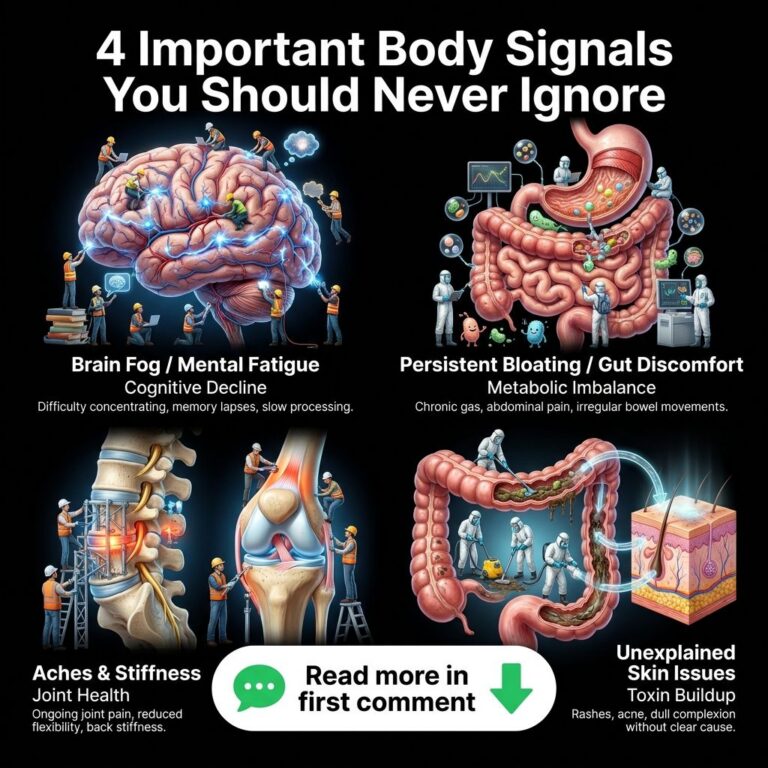
1. Brain Fog and Mental Fatigue: More Than Just a Tired Mind
Do you often feel like your thoughts are muddled, your memory is slipping, or you’re struggling to concentrate on tasks that once felt easy? This could be more than just a bad day; it might be a significant body signal known as brain fog or mental fatigue. While occasional forgetfulness is normal, persistent cognitive decline or a constant feeling of mental exhaustion is an important sign your brain needs support.
Why You Shouldn’t Ignore It:
- Underlying Stress: Chronic stress can significantly impact cognitive function, making it hard for your brain to operate efficiently.
- Nutritional Deficiencies: Lack of essential nutrients, such as B vitamins, omega-3 fatty acids, and antioxidants, can affect brain health and energy levels.
- Poor Sleep Quality: Insufficient or restless sleep prevents your brain from undergoing crucial restorative processes, leading to impaired function.
- Dehydration: Even mild dehydration can impact concentration, mood, and cognitive performance.
Proactive Steps to Support Brain Health:
To combat brain fog and mental fatigue, consider these actionable steps:
- Prioritize Quality Sleep: Aim for 7-9 hours of uninterrupted sleep each night. Establish a consistent sleep schedule and create a relaxing bedtime routine.
- Stay Hydrated: Drink plenty of water throughout the day to support overall brain function and energy.
- Nourish Your Brain: Incorporate foods rich in omega-3s (like salmon and chia seeds), antioxidants (berries, leafy greens), and whole grains.
- Manage Stress: Practice mindfulness, meditation, or light exercise to reduce stress levels.
- Engage Your Mind: Keep your brain active with puzzles, learning new skills, or reading.
2. Persistent Bloating & Gut Discomfort: Your Gut’s SOS
Occasional bloating after a large meal is common, but if you’re frequently experiencing persistent bloating, gas, stomach pain, or general gut discomfort, your digestive system might be sending you a loud and clear message. These symptoms often signal a metabolic imbalance or an issue within your gut microbiome.
Why You Shouldn’t Ignore It:
- Digestive Imbalance: An imbalanced gut microbiome, often called dysbiosis, can lead to poor nutrient absorption and increased inflammation.
- Food Sensitivities: Your body might be reacting negatively to certain foods, leading to digestive distress.
- Inflammation: Chronic gut inflammation can contribute to various health issues beyond the digestive tract.
- Stress Impact: The gut-brain axis means stress can manifest as physical discomfort in your digestive system.
Proactive Steps for a Happy Gut:
Improving gut health can significantly reduce persistent bloating and discomfort:
- Diversify Your Diet: Eat a wide range of plant-based foods to feed diverse gut bacteria. Focus on fiber-rich fruits, vegetables, and whole grains.
- Include Fermented Foods: Incorporate natural probiotics like yogurt, kefir, sauerkraut, and kimchi into your diet to support beneficial bacteria.
- Identify Triggers: Keep a food journal to help identify potential food sensitivities or intolerances.
- Mindful Eating: Eat slowly, chew your food thoroughly, and avoid eating when stressed to aid digestion.
- Stay Hydrated: Water is essential for healthy digestion and preventing constipation, which can contribute to bloating.
3. Aches & Stiffness: Listening to Your Joints and Muscles
Are you experiencing chronic aches, joint stiffness, or persistent muscle soreness that isn’t directly linked to strenuous activity? These sensations are important body signals that can indicate inflammation, poor posture, or an underlying issue with your musculoskeletal system. Ignoring these persistent aches can lead to reduced mobility and impact your quality of life.
Why You Shouldn’t Ignore It:
- Chronic Inflammation: Persistent pain often points to ongoing inflammation in the body, which can affect joints, muscles, and overall health.
- Sedentary Lifestyle: Lack of movement can lead to stiff joints and weak muscles, exacerbating aches.
- Nutrient Deficiencies: Certain vitamins and minerals (like Vitamin D and magnesium) are crucial for bone and muscle health.
- Poor Posture: Incorrect posture can put undue stress on your spine and joints, leading to discomfort and pain over time.
Proactive Steps for Joint & Muscle Health:
Address aches and stiffness by focusing on movement and anti-inflammatory support:
- Gentle Movement: Incorporate low-impact exercises like walking, swimming, yoga, or stretching to improve flexibility and circulation.
- Anti-Inflammatory Diet: Fill your plate with foods known to reduce inflammation, such as omega-3 rich fish, fruits, vegetables, and turmeric.
- Maintain Good Posture: Be mindful of your posture throughout the day, whether sitting, standing, or lifting. Consider ergonomic adjustments if needed.
- Hydration: Adequate water intake helps keep joints lubricated and muscles functioning optimally.
- Strength Training: Building strong muscles can provide better support for your joints.
4. Unexplained Skin Issues: Your Skin as a Mirror of Inner Health
When your skin consistently acts up with issues like persistent acne, dryness, eczema, or an overall dull complexion without any obvious external cause, it might be more than just a superficial problem. Unexplained skin issues are often important body signals reflecting internal imbalances, particularly related to gut health or how your body processes and eliminates waste (sometimes referred to as ‘toxin buildup’ in a non-medical sense of accumulated waste products).
Why You Shouldn’t Ignore It:
- Gut-Skin Connection: The health of your gut microbiome directly influences your skin’s appearance and condition. An imbalance can manifest as skin problems.
- Inflammation: Systemic inflammation, often rooted in diet or lifestyle, can trigger various skin conditions.
- Nutrient Absorption: Poor digestion or nutrient deficiencies can prevent your skin from getting the nourishment it needs to thrive.
- Hormonal Imbalances: Fluctuations in hormones can frequently lead to skin breakouts and other issues.
Proactive Steps for Radiant Skin from Within:
Support your skin’s health by addressing its root causes:
- Nourish Your Gut: Similar to addressing bloating, focusing on gut-healthy foods, prebiotics, and probiotics can significantly improve skin clarity.
- Antioxidant-Rich Diet: Consume plenty of fruits and vegetables to protect your skin cells from damage.
- Stay Hydrated: Water is crucial for skin elasticity and overall health, helping flush out waste.
- Gentle Skincare: While focusing on internal health, use mild, non-irritating skincare products externally.
- Stress Management: Chronic stress can trigger skin flare-ups, so incorporate stress-reducing practices.
Final Thoughts
Your body possesses an incredible ability to communicate its needs and challenges. By paying close attention to these 4 important body signals – brain fog, persistent bloating, aches and stiffness, and unexplained skin issues – you empower yourself to take proactive steps towards better health. Listening to your body isn’t just about reacting to problems; it’s about understanding its language and making informed choices that support your well-being every single day. Start listening today, and embark on a more mindful, healthier journey.
Medical Disclaimer
This article is intended for informational purposes only and does not provide medical advice. Always consult with a qualified healthcare professional for any health concerns or before making any decisions related to your health or treatment.