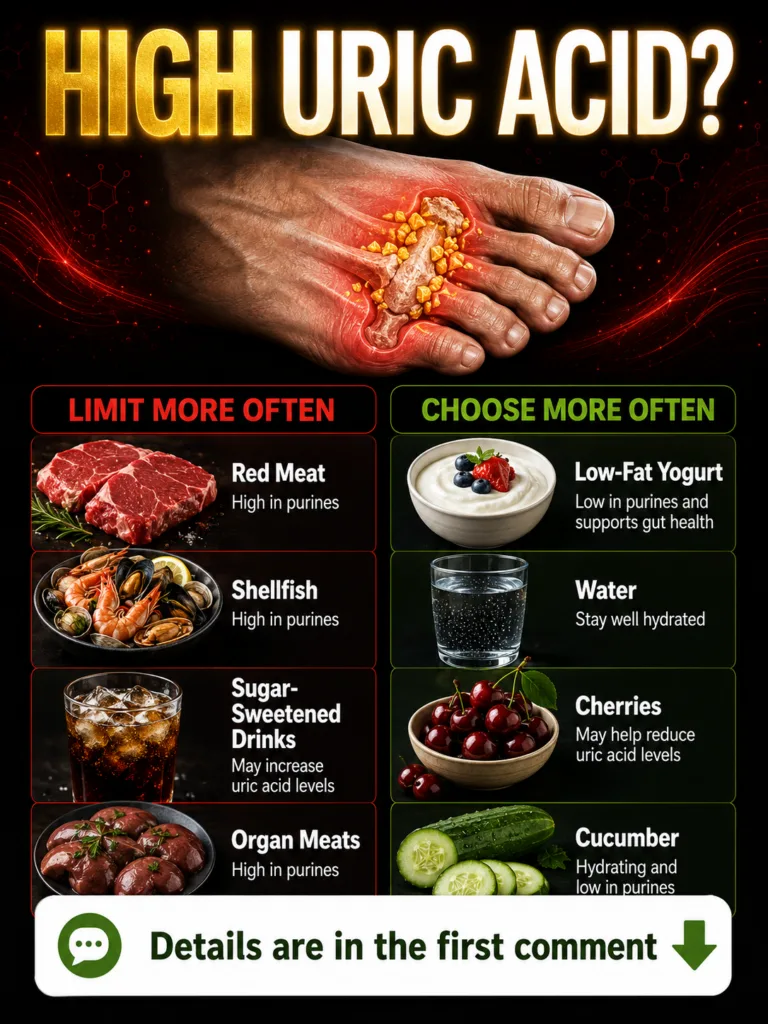
Living with high uric acid levels, or hyperuricemia, can significantly increase your risk of developing gout, a painful form of inflammatory arthritis often affecting the joints of the big toe. While medication plays a crucial role in managing this condition, the foods you eat have a powerful impact on your body’s uric acid production and elimination. Making informed dietary choices is not just beneficial; it’s a key strategy in reducing the frequency and severity of gout flare-ups.
This guide will walk you through the essential foods to limit and those to prioritize in your diet to support healthy uric acid levels and foster overall well-being. Understanding these dietary principles can empower you to take an active role in managing your health and improving your quality of life.
Ready to discover which foods can make a real difference? Let’s dive in.
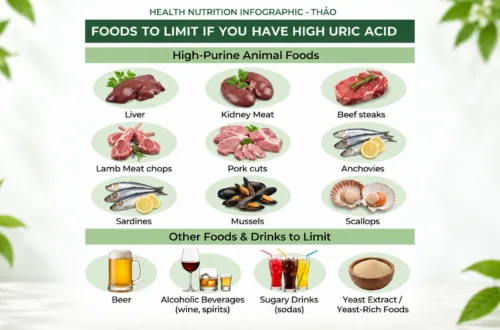
Foods to Limit: Understanding High-Purine Triggers
When your body breaks down purines—natural compounds found in many foods—it produces uric acid. For some individuals, consuming too many high-purine foods can lead to an overload, causing uric acid to crystallize in the joints and trigger painful gout attacks. Here are the foods you’ll want to reduce in your diet.
Red Meat: A Common Culprit
- Why limit it: Red meats, such as beef, lamb, and pork, are known for their high purine content. Regular consumption can elevate uric acid levels, contributing to gout flares.
- What to choose instead: Opt for leaner protein sources like chicken, turkey (without skin), or plant-based proteins such as beans and lentils, especially when planning your healthy meal prep ideas.
Shellfish: Seafood to Approach with Caution
- Why limit it: While some seafood can be part of a healthy diet, certain types of shellfish like shrimp, crab, mussels, and scallops are particularly high in purines.
- What to choose instead: If you enjoy seafood, moderate consumption of lower-purine fish like salmon or cod may be better, but always consult with your doctor or a dietitian regarding your specific dietary needs.
Sugar-Sweetened Drinks: More Than Just Empty Calories
- Why limit it: Beverages sweetened with high-fructose corn syrup, like sodas, fruit juices, and energy drinks, can increase uric acid levels. Fructose, when metabolized, can directly contribute to uric acid production.
- What to choose instead: Water is always the best choice. Unsweetened tea, coffee (in moderation), and sparkling water with a slice of lemon are also good alternatives.
Organ Meats: Potent Purine Sources
- Why limit it: Organ meats such as liver, kidney, and sweetbreads are among the highest purine-containing foods. For individuals prone to high uric acid, these should be strictly limited or avoided entirely.
- What to choose instead: Focus on lean proteins and a variety of vegetables to ensure a balanced intake without the high purine load.
Foods to Choose: Supporting Healthy Uric Acid Levels
Incorporating specific foods into your diet can help your body manage uric acid more effectively. These choices can aid in reducing inflammation, promoting uric acid excretion, and supporting overall health.
Low-Fat Yogurt: A Dairy Ally
- Why choose it: Studies suggest that dairy products, particularly low-fat options like yogurt, may help reduce uric acid levels. The proteins in dairy are thought to promote uric acid excretion through the kidneys.
- How to enjoy it: Enjoy low-fat yogurt as a breakfast item, a snack, or even a base for smoothies. It’s also an excellent choice for high protein breakfast options.
Water: The Ultimate Flusher
- Why choose it: Staying well-hydrated is one of the simplest yet most effective ways to help your kidneys flush out excess uric acid from your body.
- How to enjoy it: Aim for at least 8 glasses (about 2 liters) of water daily. Keep a water bottle handy and sip throughout the day. Consider adding slices of cucumber or lemon for a refreshing twist.
Cherries: Nature’s Anti-Inflammatory Boost
- Why choose them: Cherries, especially tart cherries, are renowned for their anti-inflammatory properties and their potential to lower uric acid levels. They contain compounds that may help neutralize uric acid.
- How to enjoy them: Fresh or frozen cherries can be added to healthy breakfast ideas, smoothies, or enjoyed as a snack. Tart cherry juice (unsweetened) is also an option.
Cucumber: Hydrating and Nutritious
- Why choose it: Cucumbers are high in water content, which supports hydration and aids in flushing uric acid. They are also low in purines and rich in antioxidants.
- How to enjoy it: Add cucumber to salads, infuse your water, or enjoy it as a crisp, refreshing snack.
Making Sustainable Dietary Changes
Adopting a gout-friendly diet is a marathon, not a sprint. Focus on gradual changes and consistency. Pay attention to how different foods affect your body and work with a healthcare professional or a registered dietitian to tailor a plan that fits your individual needs and lifestyle.
Frequently Asked Questions About High Uric Acid Diets
Can a diet completely cure high uric acid or gout?
While diet plays a significant role in managing high uric acid levels and reducing gout flare-ups, it is typically part of a broader treatment plan that may include medication. Diet alone usually doesn’t “cure” the condition, but it can greatly improve symptoms and quality of life.
Are all purine-rich foods bad for gout?
Not necessarily. While very high-purine foods like organ meats and certain shellfish should be limited, some healthy foods contain moderate purines (e.g., asparagus, spinach, mushrooms). The focus should be on overall dietary pattern and moderation, rather than eliminating all purine-containing foods.
How quickly can diet changes impact uric acid levels?
The impact of dietary changes on uric acid levels can vary. Significant changes might be seen within a few weeks to a few months, but consistency is key. Regular monitoring with your doctor will help track your progress.
Remember, your journey to better health is unique. By making these informed food choices, you’re taking powerful steps towards a life with fewer gout flare-ups and improved well-being.