In a world often quick to reach for a pill, it’s easy to overlook the incredible power of food to support our body’s vital systems. The concept of food as medicine is not new; ancient cultures have long understood that what we eat profoundly impacts our well-being. Simple, everyday choices on our plates can act as natural medicine, contributing to our overall health and helping to prevent disease.
This article explores how strategic eating can transform your health journey, focusing on foods that offer aesthetic benefits alongside their deep nutritional value. We’ll delve into specific ways food can serve as a powerful tool for supporting key bodily functions, from gut health to heart health and immune system strength, empowering you to make choices that truly nourish your body from the inside out.
Food as Medicine for a Healthy Gut
The gut is often called our second brain, and for good reason. A healthy gut microbiome – the community of trillions of bacteria living in your intestines – is essential for digestion, nutrient absorption, and even mood regulation. When considering food as medicine, gut-friendly options are paramount.
Probiotic-Rich Foods
- Yogurt and Kefir: These fermented dairy products are packed with live active cultures that help replenish beneficial gut bacteria. Opt for plain, unsweetened varieties to avoid added sugars.
- Sauerkraut and Kimchi: Fermented cabbage, rich in probiotics, can introduce a diverse range of helpful bacteria to your gut.
- Kombucha: A fermented tea that offers a fizzy, flavorful way to consume probiotics.
Prebiotic-Rich Foods
Prebiotics are non-digestible fiber compounds that feed the beneficial bacteria in your gut. Think of them as fuel for your probiotics.
- Oats: A great source of soluble fiber, which promotes healthy digestion and satiety.
- Bananas: Especially slightly green ones, contain resistant starch, a potent prebiotic.
- Garlic and Onions: These kitchen staples contain fructans, a type of prebiotic fiber.
Nourishing Your Heart with Food
Heart disease remains a leading health concern, but your diet plays a crucial role in its prevention and management. Adopting a heart-healthy approach to food as medicine can significantly impact cardiovascular wellness.
Omega-3 Fatty Acids
These essential fats are renowned for their anti-inflammatory properties and ability to support heart health.
- Fatty Fish: Salmon, mackerel, and sardines are excellent sources of EPA and DHA omega-3s. Aim for at least two servings per week.
- Chia Seeds and Flaxseeds: Plant-based sources of ALA omega-3s, which the body can convert into EPA and DHA. Great for sprinkling on smoothies or yogurt.
- Walnuts: Another good plant-based source of omega-3s, perfect for snacking or adding to salads.
Fiber-Rich Foods
Dietary fiber helps lower cholesterol levels and blood pressure, both vital for heart health.
- Whole Grains: Oatmeal, brown rice, quinoa, and whole-wheat bread provide soluble and insoluble fiber.
- Legumes: Beans, lentils, and chickpeas are powerhouses of fiber and plant-based protein.
- Fruits and Vegetables: A wide array of produce offers fiber, antioxidants, and essential vitamins and minerals that protect the heart.
Boosting Your Immune System Through Diet
A robust immune system is your body’s defense against illness. By focusing on nutrient-dense foods, you can naturally strengthen your body’s ability to ward off infections and maintain vitality.
Vitamin C Powerhouses
Vitamin C is a potent antioxidant known for its immune-boosting properties.
- Citrus Fruits: Oranges, grapefruits, lemons, and limes are classic sources.
- Bell Peppers: Surprisingly, red bell peppers contain more Vitamin C than an orange!
- Strawberries: A delicious and easy way to get your daily dose of this vital vitamin.
Zinc-Rich Foods
Zinc plays a critical role in immune cell function and wound healing.
- Nuts and Seeds: Pumpkin seeds, cashews, and almonds are excellent plant-based sources.
- Legumes: Lentils and chickpeas also contribute zinc to your diet.
Antioxidant-Rich Foods
Antioxidants protect your cells from damage caused by free radicals, supporting overall immune resilience.
- Berries: Blueberries, raspberries, and blackberries are packed with antioxidants.
- Dark Leafy Greens: Spinach, kale, and Swiss chard offer vitamins, minerals, and antioxidants.
- Green Tea: Contains powerful antioxidants called catechins.
Making “Food as Medicine” a Daily Practice
Embracing food as medicine isn’t about restrictive diets; it’s about conscious choices and incorporating nutrient-dense options into your routine. Here are a few tips:
- Start Small: Introduce one new healthy food each week.
- Hydrate: Drink plenty of water throughout the day.
- Cook at Home: This gives you control over ingredients and preparation methods.
- Mindful Eating: Pay attention to your body’s hunger and fullness cues.
- Variety is Key: Eat a diverse range of fruits, vegetables, whole grains, and lean proteins to ensure you get a broad spectrum of nutrients.
Common Questions About Food as Medicine
Can food really replace medication?
While food can profoundly impact health and prevent many conditions, it is not always a direct replacement for prescribed medication. Always consult with a healthcare professional before making significant dietary changes, especially if you have existing health conditions or are on medication.
What are some “aesthetic foods” that are also healthy?
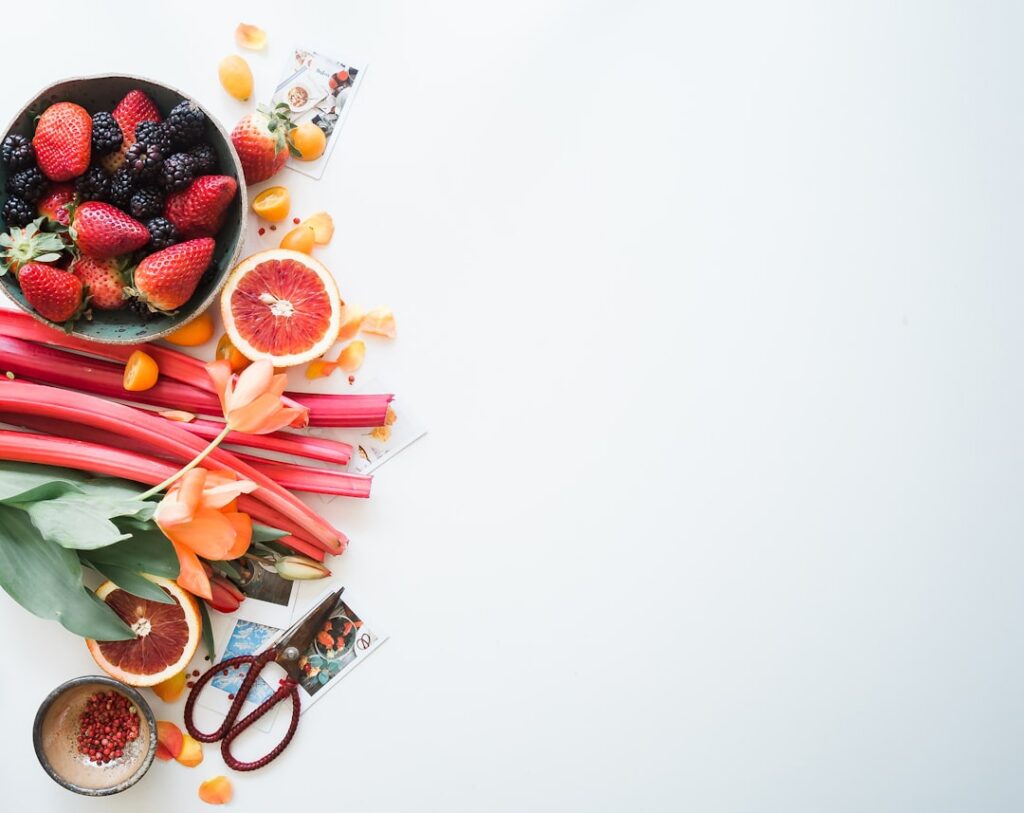
Aesthetic foods are often vibrant, fresh, and beautifully plated. Think colorful fruit salads, green smoothie bowls topped with seeds and berries, roasted vegetable medleys, or avocado toast with edible flowers. These are usually packed with nutrients!
Is a vegetarian or vegan diet necessary for food as medicine?
No, not necessarily. While plant-based diets offer numerous health benefits, a balanced diet that includes lean animal proteins can also be incredibly healing and supportive. The focus should be on whole, unprocessed foods, whether plant-based or incorporating lean meats and fish.
Final Thoughts
The journey toward optimal health begins with awareness and empowered choices. By consciously integrating the concept of food as medicine into your daily life, you unlock a powerful tool for wellness. From nurturing your gut to fortifying your heart and boosting your immune system, the foods you choose offer a profound impact. Let your plate be a canvas of vibrant, nourishing ingredients that not only delight your senses but also build a foundation for a healthier, more vibrant you.
Medical Disclaimer
The information provided in this article is for general informational purposes only and does not constitute medical advice. Always consult with a qualified healthcare professional or registered dietitian before making any significant changes to your diet, especially if you have a medical condition, are pregnant, nursing, or taking medication.