Our hearts are incredible, tirelessly pumping life-sustaining blood throughout our bodies. At the core of a healthy heart lies healthy arteries – the vital pathways that transport oxygenated blood. Over time, factors like diet and lifestyle can impact artery health, potentially leading to conditions that hinder their function. The good news? Nature offers a wealth of incredible foods that can help support and maintain robust artery health.
Embracing a diet rich in these beneficial foods is a delicious and proactive step towards a vibrant heart and long-term wellness. Let’s explore some of the top foods known for their powerful cardiovascular benefits.
Understanding Artery Health and the Power of Food
Arteries are blood vessels that carry oxygen-rich blood away from your heart to all parts of your body. Maintaining their flexibility and clarity is paramount. Factors like high cholesterol, inflammation, and high blood pressure can contribute to the hardening and narrowing of arteries, a process called atherosclerosis. Fortunately, the foods we choose to eat can play a significant role in mitigating these risks.
Many natural foods are packed with antioxidants, healthy fats, fiber, and essential vitamins and minerals that work synergistically to:
- Reduce inflammation
- Lower ‘bad’ LDL cholesterol levels
- Improve blood vessel elasticity
- Support healthy blood pressure
- Prevent oxidative damage
Top Foods for Optimal Artery Health
1. Avocados: The Creamy Heart Helper
Often hailed as a superfood, avocados are rich in monounsaturated fats, particularly oleic acid, which is known to help reduce LDL (‘bad’) cholesterol levels while increasing HDL (‘good’) cholesterol. They also provide potassium, a mineral crucial for maintaining healthy blood pressure, and fiber, which aids in cholesterol regulation.
2. Berries: Antioxidant Powerhouses
Strawberries, blueberries, raspberries, and blackberries are bursting with antioxidants, especially anthocyanins, which give them their vibrant colors. These compounds help protect arteries from oxidative damage and inflammation, supporting overall cardiovascular health and flexibility.
3. Leafy Green Vegetables: Nature’s Nitrates
Spinach, kale, collard greens, and Swiss chard are excellent sources of nitrates, which the body converts into nitric oxide. Nitric oxide helps relax and widen blood vessels, promoting healthy blood flow and reducing arterial stiffness. They are also packed with vitamins K and C, and essential minerals.
4. Fatty Fish: Omega-3 Rich Delights
Salmon, mackerel, sardines, and tuna are renowned for their high content of omega-3 fatty acids (EPA and DHA). These essential fats are powerful anti-inflammatories, help reduce triglyceride levels, and may prevent the formation of blood clots, all contributing to healthier arteries and reduced risk of heart disease.

5. Whole Grains: Fiber for Flow
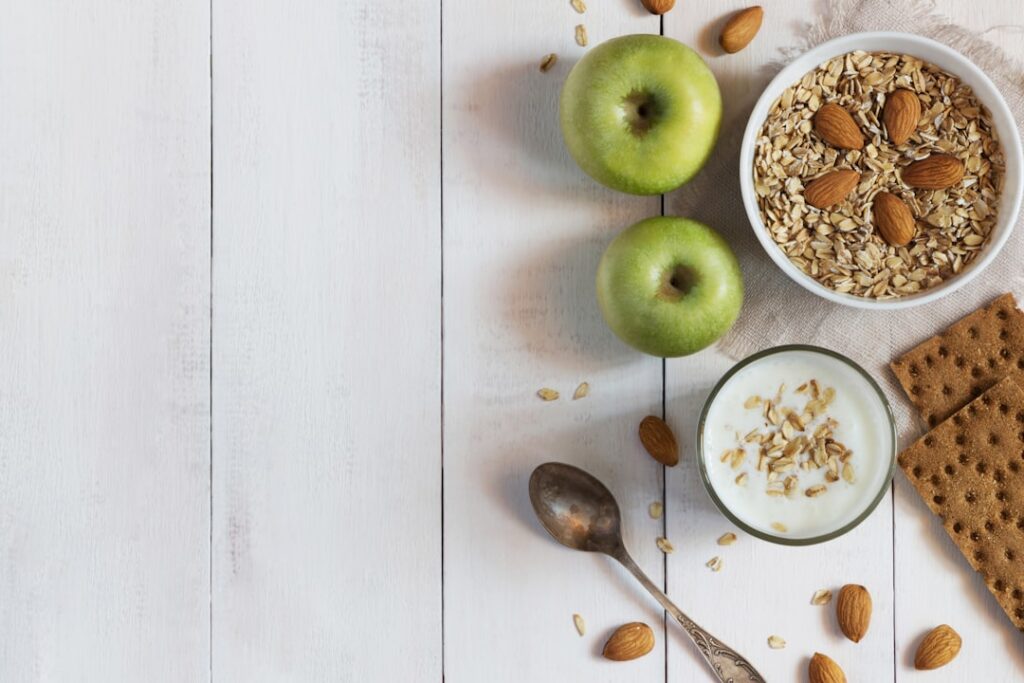
Oats, brown rice, quinoa, and whole-wheat bread are fantastic sources of soluble fiber. Soluble fiber helps bind to cholesterol in the digestive system, preventing its absorption and aiding in its excretion, thereby supporting healthy cholesterol levels and preventing arterial plaque buildup.
6. Nuts and Seeds: Small but Mighty
Almonds, walnuts, flaxseeds, and chia seeds offer a potent combination of healthy fats (monounsaturated and polyunsaturated), fiber, and vitamin E. Walnuts, in particular, are rich in alpha-linolenic acid (ALA), a plant-based omega-3 fatty acid. These components work to reduce inflammation, improve cholesterol profiles, and enhance arterial function.
7. Legumes: The Humble Protectors
Beans, lentils, chickpeas, and peas are nutritional powerhouses. They are rich in soluble fiber, plant-based protein, and various minerals like magnesium and folate. Regular consumption of legumes has been linked to lower LDL cholesterol levels and improved blood pressure, directly benefiting artery health.
8. Garlic: The Pungent Protector
Garlic has been traditionally used for its medicinal properties for centuries. Research suggests that compounds in garlic, such as allicin, may help improve blood pressure, reduce cholesterol, and prevent arterial stiffness, contributing to a healthier cardiovascular system.
9. Turmeric: The Golden Anti-Inflammatory
The active compound in turmeric, curcumin, is a potent anti-inflammatory and antioxidant. Chronic inflammation is a key factor in the development of arterial plaque. Incorporating turmeric into your diet may help reduce inflammation and protect artery walls from damage.
10. Green Tea: Sip Your Way to Health
Green tea is loaded with powerful antioxidants called catechins, particularly epigallocatechin gallate (EGCG). These compounds may help improve the health of the endothelial cells that line your arteries, reduce inflammation, and inhibit the buildup of plaque, promoting flexible and clear arteries.
Embracing a Heart-Healthy Lifestyle
While incorporating these foods into your diet is a fantastic step, remember that optimal artery health is part of a broader holistic approach. Regular physical activity, managing stress, adequate sleep, and avoiding smoking all contribute significantly to a healthy heart.
Always consult with a healthcare professional or a registered dietitian before making significant dietary changes, especially if you have existing health conditions or are on medication. These foods are intended to support wellness, not to cure or treat diseases.
By consciously choosing to nourish your body with these incredible foods, you’re investing in the long-term health of your arteries and the vitality of your heart. Eating for health truly is eating for life.