Unlock the secrets of what your body truly accomplishes each night while you sleep. Understanding these vital processes highlights why quality rest is non-negotiable for your overall health. From cellular repair to brain detoxification, your body orchestrates an intricate symphony of activities that are essential for physical and mental well-being. Dive into the fascinating journey your body takes through each sleep stage and discover why prioritizing restorative sleep is one of the best investments you can make in your wellness journey.
Sleep Onset: Transitioning into Rest
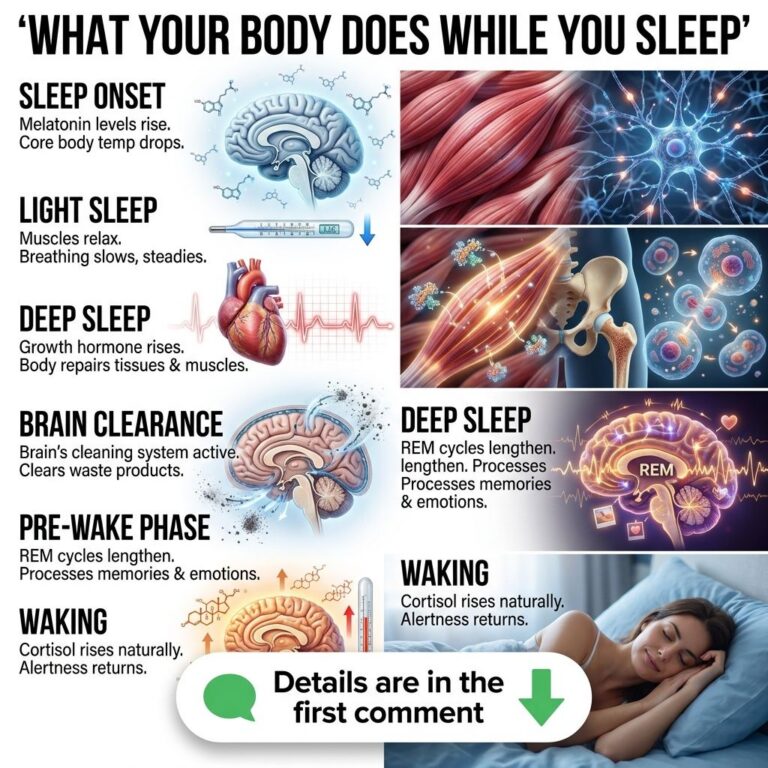
As you drift off, your body begins its essential nightly work. During sleep onset, your brain starts to slow its activity, shifting from the busy beta waves of wakefulness to slower alpha and then theta waves. This is the drowsy phase where you might experience hypnic jerks as your muscles begin to relax. Key physiological changes include:
- Increased production of melatonin, the hormone that signals to your body it’s time for sleep.
- A gradual decrease in heart rate and breathing patterns, signaling relaxation.
- Your body temperature may begin to drop slightly, optimizing conditions for deeper sleep.
This initial phase is crucial for preparing your system for the deeper stages of sleep that follow.
Light Sleep: Initial Restoration and Memory Processing
Light sleep encompasses NREM (Non-Rapid Eye Movement) stages 1 and 2. While not as deep as later stages, light sleep plays a significant role in your overall sleep cycle:
- Stage 1: This is the lightest stage, a transitional period where you can be easily awakened. Brain activity continues to slow, and muscle activity decreases.
- Stage 2: Your brain waves become even slower, with characteristic bursts of activity called ‘sleep spindles’ and ‘K-complexes’. These bursts are believed to be important for memory consolidation and for protecting your sleep from external disturbances. Heart rate and body temperature continue to decrease.
Light sleep accounts for the majority of your total sleep time and acts as a foundation for the deeper, more restorative stages.
Deep Sleep: The Body’s Major Repair Phase
Deep sleep, or NREM stage 3 (also known as slow-wave sleep), is arguably the most physically restorative stage of your sleep cycle. This is when your body focuses on repair and rejuvenation:
- Physical Restoration: Growth hormone is released, which is vital for tissue repair, muscle growth, and bone development. Cells regenerate, and energy stores are replenished throughout your body.
- Immune System Support: Your immune system becomes more active, producing cytokines and other infection-fighting substances, helping to strengthen your defenses against illness.
- Glucose Metabolism: Deep sleep is also linked to glucose metabolism and insulin sensitivity, playing a role in maintaining metabolic health.
Waking up during deep sleep can leave you feeling groggy and disoriented, highlighting its profound impact on your physical recovery.
Brain Clearance: A Nightly Detox
While your body is busy with physical repairs, your brain is performing its own essential maintenance. During deep sleep, a remarkable process of ‘brain clearance’ occurs:
- Glymphatic System Activation: The glymphatic system, the brain’s waste removal system, becomes highly active. It flushes out metabolic byproducts that accumulate during wakefulness.
- Toxin Removal: This includes the removal of proteins like amyloid-beta, which are associated with neurodegenerative diseases such as Alzheimer’s.
- Cognitive Refresh: This nightly ‘brain detox’ is crucial for maintaining optimal cognitive function, memory, and overall long-term brain health.
Ensuring you get enough deep sleep is therefore critical not just for physical well-being, but also for maintaining a healthy and sharp mind.

Pre-Wake Phase: Preparing for the Day Ahead
As the night progresses towards morning, your body begins to shift gears in preparation for waking. The pre-wake phase is characterized by an increase in REM (Rapid Eye Movement) sleep:
- Dreaming and Emotional Processing: REM sleep is the stage where most vivid dreaming occurs. It’s crucial for emotional regulation, processing daily experiences, and consolidating learning and memories. Your brain activity during REM sleep is very similar to when you’re awake.
- Hormonal Shifts: Levels of cortisol, often referred to as the ‘stress hormone,’ begin to rise. This natural surge of cortisol helps to gently wake your body and increase alertness.
- Body Temperature Rise: Your core body temperature also starts to increase, further signaling the upcoming transition to wakefulness.
This phase is vital for mental and emotional rejuvenation, ensuring you wake up feeling balanced and ready to tackle the day.
Waking: The Final Stage of Restoration
The final stage of your sleep cycle is the transition from sleep to full wakefulness. A healthy waking process should feel natural and energizing:
- Hormonal Readiness: Cortisol levels peak, providing the final boost to prepare your body for activity. Other hormones are also released to support metabolic processes and energy production.
- Sensory Integration: Your senses gradually become sharper, and your consciousness fully returns, allowing you to engage with your environment.
Waking up refreshed indicates that your body has successfully completed its intricate nightly processes, leaving you restored and ready for the day’s demands.
Final Thoughts
Understanding what your body does while you sleep underscores the profound importance of quality sleep for every aspect of your health. From repairing tissues and strengthening your immune system to detoxifying your brain and processing emotions, sleep is far from a passive state. It is an active, vital process that directly impacts your physical vitality, mental clarity, and emotional well-being. Prioritizing consistent, restorative sleep is not a luxury, but a fundamental pillar of a healthy and balanced life. Make sleep a non-negotiable part of your daily routine and truly invest in your wellness journey.
Medical Disclaimer
The information provided in this article is for educational purposes only and is not intended as medical advice. Always consult with a qualified healthcare professional for any health concerns or before making any decisions related to your health or treatment.