Your heart is a powerful organ, constantly working to keep you healthy. But just like any part of your body, it can feel the impact of stress. Learning to recognize the early stressed heart symptoms is crucial for your well-being. These aren’t just minor aches; they are vital signals your body sends when it’s under pressure, urging you to pay attention.
Ignoring these warning signs can lead to more significant health concerns down the line. By understanding what your heart is trying to tell you, you can take proactive steps to manage stress, support your cardiovascular health, and maintain a vibrant, active life. Let’s delve into the key indicators that suggest your heart might be feeling the strain.
Understanding Your Heart’s Stress Signals
Stress is a natural part of life, but chronic or overwhelming stress can have a profound effect on your entire body, especially your heart. When you’re stressed, your body releases hormones like adrenaline and cortisol, which can temporarily increase heart rate and blood pressure. While this ‘fight or flight’ response is normal in short bursts, prolonged exposure can put a significant strain on your cardiovascular system.
Your heart might respond to this strain with specific physical and emotional manifestations. Recognizing these stressed heart symptoms isn’t about self-diagnosis, but rather about tuning into your body’s language and knowing when to seek support.
The Early Warning Signs of a Stressed Heart
Here are some crucial early signals your heart might send when it’s under pressure. Pay attention to these indicators as part of your overall wellness journey.
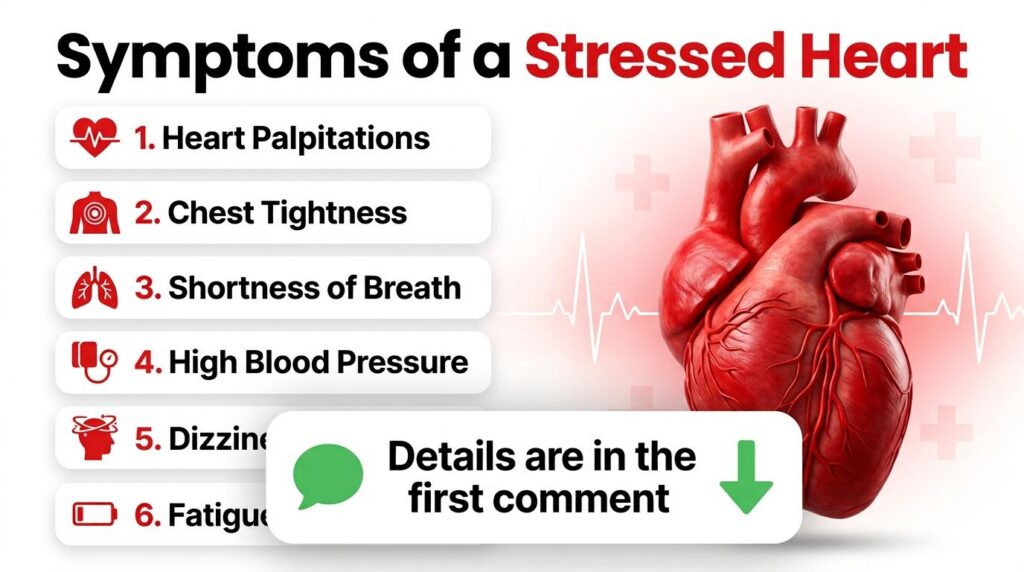
1. Chest Discomfort or Tightness
While often associated with more serious cardiac events, stress can manifest as a feeling of tightness, pressure, or even mild pain in the chest. This sensation, sometimes described as a ‘heavy’ feeling, is often a result of muscle tension or anxiety-induced responses rather than a direct heart problem, but it’s important not to dismiss it.
2. Heart Palpitations or Racing Heart
Do you sometimes feel like your heart is pounding, fluttering, or skipping a beat? Stress can trigger an increase in heart rate and cause irregular heart rhythms, known as palpitations. These sensations can be unsettling and are a common physical symptom of heightened anxiety.
3. Shortness of Breath
Even without strenuous activity, feeling winded or struggling to take a deep breath can be a sign of stress. The body’s stress response can alter breathing patterns, making respiration feel shallow or difficult, thereby signaling potential strain on your system.
4. Unusual Fatigue
Feeling constantly tired, even after a full night’s sleep? Persistent fatigue that doesn’t resolve with rest can be a symptom of a stressed heart and chronic stress. Your body is working overtime to cope, draining your energy reserves.
5. Elevated Blood Pressure
While not always immediately noticeable, chronic stress can contribute to an increase in blood pressure. Sustained high blood pressure puts extra strain on your arteries and heart, making regular monitoring important, especially if you experience other stress-related symptoms.
6. Dizziness or Lightheadedness
Stress and anxiety can sometimes lead to feelings of lightheadedness or dizziness. This might be due to changes in breathing, blood flow, or even an acute anxiety response that affects your balance and perception.
7. Sleep Disturbances
If you find it difficult to fall asleep, stay asleep, or wake up feeling unrested, stress could be a major culprit. Poor sleep quality prevents your body and heart from adequately recovering, exacerbating the effects of stress.
What Causes Your Heart to Feel Stressed?
Understanding the common culprits behind a stressed heart can help you identify and address them. Stressors aren’t just emotional; they can be physical, environmental, or lifestyle-related. Common sources include:
- Work Pressure: Demanding jobs, long hours, and job insecurity.
- Relationship Issues: Conflicts, loneliness, or strained connections.
- Financial Worries: Economic instability and debt.
- Major Life Changes: Moving, divorce, grief, or new responsibilities.
- Lack of Sleep: Chronic sleep deprivation disrupts body systems.
- Unhealthy Diet & Sedentary Lifestyle: Poor nutrition and lack of exercise contribute to physical stress.
- Environmental Factors: Noise pollution, crowded living conditions.
Taking Action: Supporting Your Heart Through Stress
Recognizing the symptoms is the first step; taking proactive measures to alleviate stress and support your heart health is the next. Here are some strategies:
- Mindfulness and Meditation: Practices like deep breathing, yoga, and meditation can help calm your nervous system and reduce stress hormones.
- Regular Physical Activity: Exercise is a powerful stress reliever and strengthens your heart. Aim for at least 30 minutes of moderate activity most days of the week.
- Balanced Nutrition: A diet rich in fruits, vegetables, whole grains, and lean proteins provides the nutrients your heart needs to function optimally. Minimize processed foods, excessive sugar, and unhealthy fats.
- Prioritize Sleep: Aim for 7-9 hours of quality sleep each night to allow your body and heart to repair and rejuvenate.
- Connect with Others: Nurture healthy relationships and seek social support. Sharing your feelings can significantly reduce stress.
- Set Boundaries: Learn to say no and manage your commitments to prevent overwhelm.

When to Seek Professional Guidance
While understanding these early stressed heart symptoms can empower you, it’s vital to know when to consult a healthcare professional. If you experience persistent chest pain, severe shortness of breath, prolonged palpitations, or any symptoms that cause you concern, do not hesitate to seek immediate medical attention. Your doctor can help determine the cause of your symptoms, rule out serious conditions, and recommend appropriate management strategies for both your heart health and stress levels.
Frequently Asked Questions (FAQs)
Q: Can stress really cause heart problems?
A: Yes, chronic stress can contribute to various heart problems, including high blood pressure, increased risk of heart attack, and an exacerbation of existing conditions. It’s crucial to manage stress effectively for long-term cardiovascular health.
Q: Are these symptoms the same as a heart attack?
A: While some symptoms of a stressed heart, like chest discomfort, can mimic a heart attack, they are generally less severe and may be accompanied by other anxiety symptoms. However, if you suspect a heart attack (severe chest pain, pain radiating to arm/jaw, sweating, nausea), seek emergency medical care immediately.
Q: What is the best way to reduce stress for heart health?
A: A multi-faceted approach is best, combining regular exercise, a balanced diet, adequate sleep, mindfulness practices (meditation, yoga), and strong social connections. Identifying and addressing the root causes of your stress is also key.
Q: Can diet help manage a stressed heart?
A: Absolutely. A heart-healthy diet rich in omega-3 fatty acids, antioxidants, and fiber can reduce inflammation and support cardiovascular function. Limiting caffeine and alcohol can also help manage anxiety and improve sleep, indirectly benefiting your heart.
Final Thoughts
Your heart works tirelessly for you, and it deserves your care and attention. By recognizing the early stressed heart symptoms, you’re not just being proactive; you’re building a deeper connection with your body and empowering yourself on your wellness journey. Pay heed to these warning signals, integrate stress-reducing practices into your daily life, and remember that seeking professional advice is always a sign of strength and self-care. Prioritize your heart’s well-being, and it will continue to support you for years to come.
Remember, this article is for informational purposes only and does not provide medical advice. Always consult with a qualified healthcare professional for any health concerns or before making any decisions related to your health or treatment.