Hey Health Enthusiasts and Quiz Lovers! Ever wondered about the incredible power of your blood? It’s more than just a life-sustaining fluid; it holds secrets about compatibility, donation, and even emergency medicine. Today, we’re diving into a fascinating health fact with a quick and fun quiz!
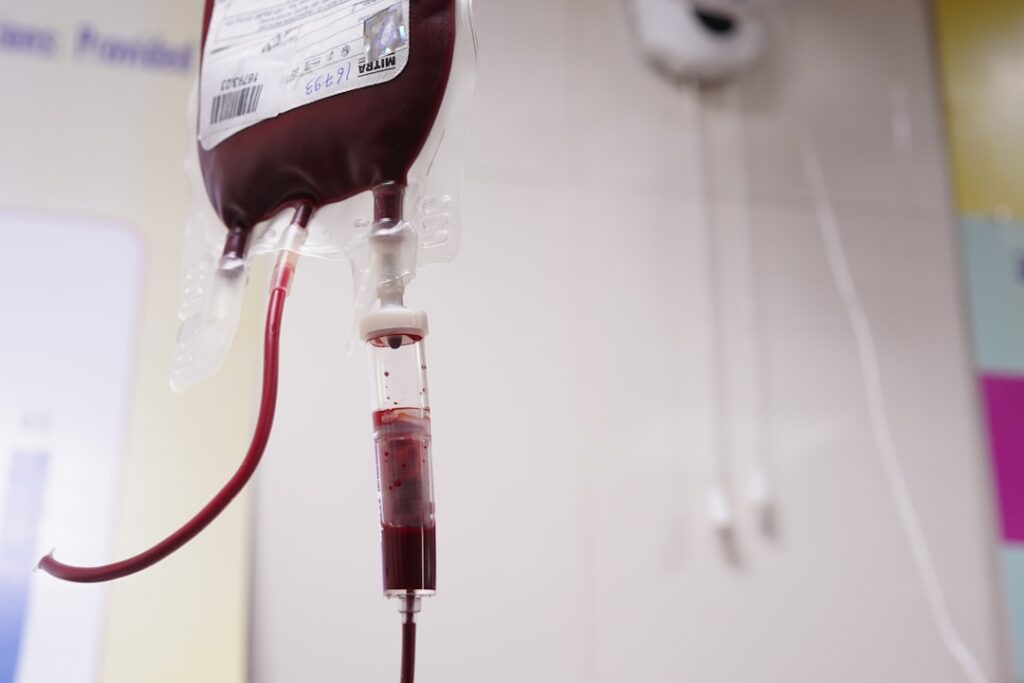
Are You a Blood Type Pro? The Big Question!
Blood types are crucial, especially when it comes to saving lives through transfusions. Each type has unique characteristics, but one stands out for its incredible versatility. So, let’s put your knowledge to the test!
Which blood type is often called the “universal donor”?
- A. Type A+
- B. Type AB-
- C. Type O-
- D. Type B+
Take a moment to think about it. This is a super important fact that helps us understand the amazing impact of blood donation!
The Big Reveal: Unmasking the Universal Donor!
Ready for the answer? Drumroll, please…
The correct answer is C. O- (O Negative)!
Why is O-Negative the Universal Donor?
O-negative (O−) blood is truly special. It’s known as the universal donor for red blood cell transfusions because it lacks A, B, and Rh antigens. Think of antigens as markers on the surface of your red blood cells. If a patient receives blood with antigens their body doesn’t recognize, it can trigger a severe immune reaction.
Because O-negative blood cells have no A, B, or Rh markers, they are compatible with patients of all blood types in emergencies. This makes O-negative blood invaluable in situations where there’s no time to cross-match blood, such as in trauma centers or accident scenes. It’s a true lifesaver!
The Impact of Blood Donation: Why Every Drop Counts
Understanding the universal donor status of O-negative blood highlights the critical importance of blood donation. Every day, countless lives are saved thanks to the generosity of blood donors. From accident victims and surgery patients to those battling chronic illnesses like cancer, the need for blood is constant.
- Emergencies: O-negative blood can be given to anyone, making it vital in urgent situations.
- Planned Surgeries: Many medical procedures rely on a steady supply of blood.
- Chronic Conditions: Patients with diseases like anemia or certain cancers often require regular transfusions.
By donating blood, you’re not just giving a fluid; you’re giving hope, a second chance, and the precious gift of time to someone in need. It’s a simple act with a monumental positive impact!
Beyond O-Negative: The Fascinating World of Blood Types
While O-negative is the universal donor for red blood cells, it’s worth noting that other blood types have their unique roles too. For example, AB positive (AB+) is considered the “universal recipient” for red blood cells, meaning people with AB+ blood can receive red blood cells from any blood type.
Each blood type plays a vital part in our human diversity and in the intricate system of blood transfusions. Learning about your own blood type and its significance can be incredibly empowering!
Want to Learn More or Find Your Blood Type?
If you don’t know your blood type, there are several ways to find out:
- Ask Your Doctor: Your medical records often contain this information.
- Donate Blood: When you donate, your blood type is typically determined and you’ll be informed.
- Blood Test: A simple lab test can reveal your type.
Knowing your blood type is a great way to boost your health knowledge and understand how you can potentially help others.
Join the Conversation!
Did you get the answer right? Share your thoughts in the comments below! Have you ever donated blood, or are you inspired to learn more about it? Let’s keep the healthy conversation going!
Stay curious, keep learning, and remember that every piece of health knowledge helps us live a more informed and empowered life!