Hey there, health enthusiasts and quiz lovers! Ready to test your knowledge on one of the most vital facts about our bodies? We’re diving into the fascinating world of blood types today with a classic question that has a huge impact on saving lives: Do you know which blood type is often called the “universal donor”?
This isn’t just a fun piece of trivia; it’s a super important fact that helps us understand the amazing power and impact of blood donation. So, let’s unlock this mystery together!
Understanding Your Blood Type: A Quick Refresher
Before we reveal the answer, let’s quickly review what blood types are all about. Your blood type is determined by the presence or absence of specific antigens (protein markers) on the surface of your red blood cells. The most well-known system is the ABO system, which classifies blood into four main types: A, B, AB, and O. Each type can also be positive or negative, depending on the presence of the Rh factor.
- Type A: Has A antigens.
- Type B: Has B antigens.
- Type AB: Has both A and B antigens.
- Type O: Has neither A nor B antigens.
The Rh factor adds another layer: if you have the Rh antigen, you’re Rh positive (+); if not, you’re Rh negative (-).
The Universal Donor Revealed!
Drumroll, please! The blood type often referred to as the “universal donor” is O Negative (O-).
Why is O- so special?
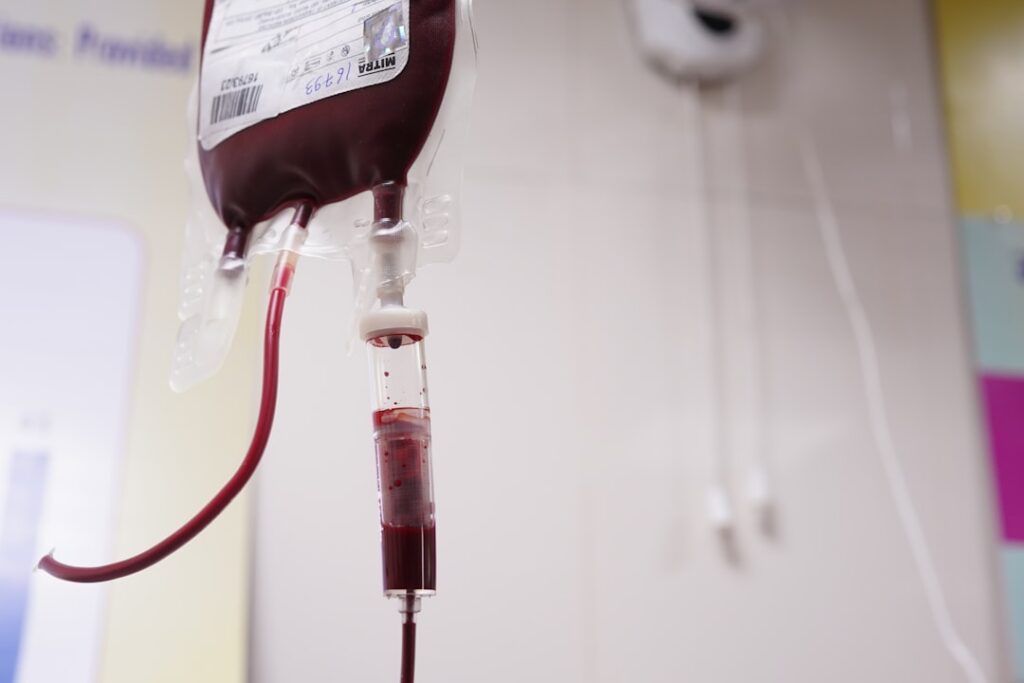
It all comes down to those antigens we just talked about. O-blood has no A, B, or Rh antigens. This means it doesn’t trigger an immune response in recipients with other blood types, making it compatible with anyone. In emergency situations, when there’s no time to cross-match blood, O-negative blood can be transfused to patients of any blood type, making it incredibly precious and often life-saving.
The Universal Recipient: An Interesting Counterpart
While we’re on the topic, it’s also worth knowing about the “universal recipient.” This title goes to AB Positive (AB+) blood. People with AB+ blood can receive red blood cells from any ABO and Rh type because they have all the A, B, and Rh antigens, so their immune system won’t react negatively to any of them.
The Lifesaving Impact of Blood Donation
Understanding these facts helps highlight the immense importance of blood donation. Every two seconds, someone in the U.S. needs blood. It’s used for accident victims, surgical patients, people battling cancer, new mothers, and so many others.
Donating blood is a simple act that has a profound ripple effect, directly contributing to saving lives. If you know your blood type, you know exactly how you can help. If you’re O-negative, you hold a truly unique and critical power!
Time to Share Your Guess & Learn More!
So, did you know the answer to our universal donor challenge? Share your guess in the comments below! We love hearing from you and seeing how much incredible health knowledge our community has.
Learning about our bodies and how we can support each other’s health is always a rewarding journey. Keep an eye out for more fun quizzes and health facts from Quiz! Let’s continue learning and growing together!