Our DNA is the blueprint of life, constantly working to keep our bodies functioning optimally. However, it’s also under continuous assault from environmental factors, stress, and even our own metabolic processes. The good news? You hold significant power to protect your DNA and enhance cellular longevity through the simple, delicious choices you make at mealtimes. This isn’t about exotic superfoods or complicated diets; it’s about incorporating everyday foods that are scientifically known to support your cellular health.
In this guide, we’ll explore nine powerful foods that actively guard your DNA, helping to reduce damage, support repair mechanisms, and promote a vibrant, long-lasting you. From antioxidant-rich fruits to anti-inflammatory spices, discover how to nourish your body at the deepest level.
Why DNA Protection Matters for Your Health
Before diving into the foods, it’s crucial to understand why protecting your DNA is so vital. DNA damage can lead to cellular dysfunction, premature aging, and an increased risk of chronic diseases. When your DNA is well-protected, your cells can replicate accurately, function efficiently, and maintain overall health. A diet rich in specific nutrients can combat oxidative stress, reduce inflammation, and even support DNA repair pathways, laying a strong foundation for cellular longevity.
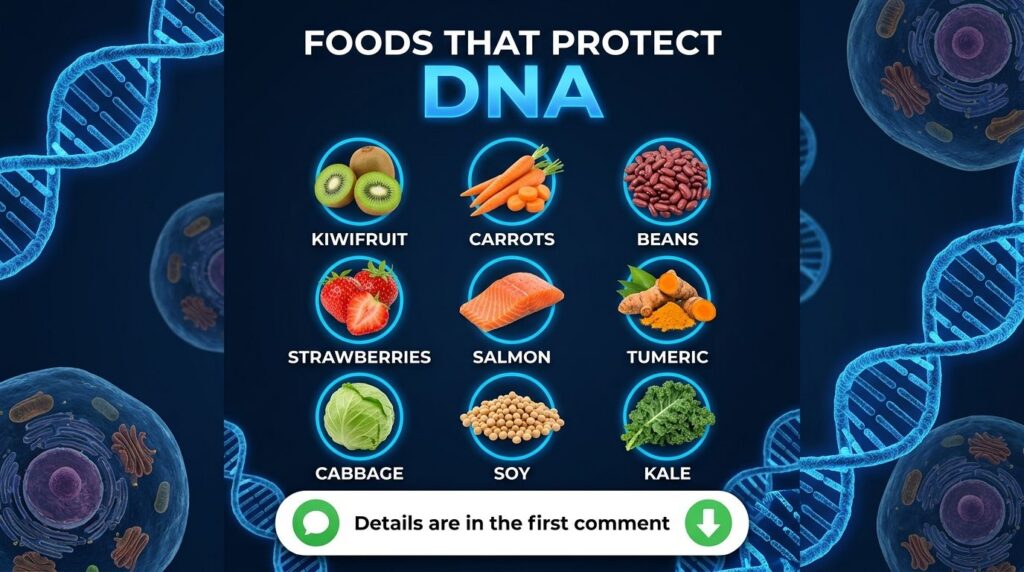
9 Everyday Foods That Actively Protect Your DNA
Here are nine accessible, delicious foods that can make a profound difference in safeguarding your genetic material:
1. Kiwifruit: A Vitamin C Powerhouse
Don’t let its humble size fool you; kiwifruit is an exceptional source of Vitamin C, a potent antioxidant. Vitamin C helps neutralize free radicals, which are unstable molecules that can damage DNA. Regularly consuming kiwifruit may help reduce oxidative stress throughout your body, offering a protective shield for your cells.
- Key Nutrients: Vitamin C, Vitamin K, Vitamin E, dietary fiber, antioxidants.
- How it Protects DNA: High antioxidant capacity, particularly from Vitamin C, directly combats oxidative DNA damage.
- Serving Suggestion: Enjoy one kiwifruit daily as a snack or added to your breakfast.
2. Carrots: Beta-Carotene for Cellular Defense
Brightly colored carrots are famous for their beta-carotene content, a precursor to Vitamin A and a powerful antioxidant. Beta-carotene scavenges free radicals and may help protect cellular membranes and DNA from oxidative damage. Beyond beta-carotene, carrots also contain other carotenoids that contribute to their protective effects.
- Key Nutrients: Beta-carotene, Vitamin K1, potassium, antioxidants.
- How it Protects DNA: Beta-carotene acts as an antioxidant, protecting against oxidative stress and supporting cellular integrity.
- Serving Suggestion: Add sliced carrots to salads, stir-fries, or enjoy raw with hummus.
3. Beans: Fiber, Folate, and Phytochemicals
Beans, including black beans, kidney beans, and lentils, are nutritional champions. They are rich in fiber, which supports gut health (a key factor in systemic inflammation), and folate, a B vitamin essential for DNA synthesis and repair. Furthermore, beans contain various phytochemicals that possess antioxidant and anti-inflammatory properties, providing comprehensive DNA protection.
- Key Nutrients: Fiber, folate, protein, various minerals, antioxidants, polyphenols.
- How it Protects DNA: Folate is crucial for DNA methylation and repair. Fiber supports a healthy microbiome, reducing systemic inflammation.
- Serving Suggestion: Incorporate beans into soups, stews, salads, or create a delicious bean dip.
4. Strawberries: Anthocyanins and Ellagic Acid
These juicy berries are bursting with antioxidants, especially anthocyanins (which give them their red color) and ellagic acid. Both compounds are known for their ability to combat oxidative stress and inflammation, two major culprits behind DNA damage. Ellagic acid, in particular, has been studied for its potential to protect DNA from certain carcinogens.
- Key Nutrients: Vitamin C, manganese, anthocyanins, ellagic acid.
- How it Protects DNA: Potent antioxidants neutralize free radicals and ellagic acid may inhibit DNA damage from certain toxins.
- Serving Suggestion: Add fresh strawberries to yogurt, oatmeal, or enjoy them as a refreshing snack.
5. Salmon: Omega-3s for Anti-Inflammatory Support
Salmon is renowned for its high content of omega-3 fatty acids, particularly EPA and DHA. These essential fats are powerful anti-inflammatory agents that can help reduce chronic inflammation, a known contributor to DNA damage. By lowering inflammation, salmon helps create a more stable cellular environment, supporting DNA integrity and repair. It also contains astaxanthin, a strong antioxidant.
- Key Nutrients: Omega-3 fatty acids (EPA & DHA), Vitamin D, astaxanthin, protein.
- How it Protects DNA: Reduces inflammation and oxidative stress, providing a stable environment for DNA.
- Serving Suggestion: Aim for 2-3 servings of fatty fish like salmon per week. Consider grilled salmon or baked salmon with herbs.
6. Turmeric: The Golden Anti-Inflammatory Spice
This vibrant yellow spice contains curcumin, a compound with incredible anti-inflammatory and antioxidant properties. Curcumin has been extensively researched for its ability to protect DNA from various forms of damage, including those induced by environmental toxins and oxidative stress. It supports cellular pathways that are vital for maintaining genomic stability.
- Key Nutrients: Curcumin, manganese, iron, Vitamin B6, fiber.
- How it Protects DNA: Curcumin’s strong anti-inflammatory and antioxidant effects combat damage and support cellular protective mechanisms.
- Serving Suggestion: Add turmeric to curries, soups, scrambled eggs, or make a soothing turmeric latte.
7. Cabbage: Glucosinolates for Detoxification
Cabbage, a cruciferous vegetable, is rich in glucosinolates. When chewed or digested, these compounds are converted into biologically active substances like sulforaphane and indole-3-carbinol (I3C). These compounds play a crucial role in detoxification pathways, helping the body eliminate harmful substances that could otherwise damage DNA. They also boast antioxidant properties.
- Key Nutrients: Vitamin C, Vitamin K, fiber, glucosinolates, antioxidants.
- How it Protects DNA: Supports detoxification enzymes, helping to eliminate harmful compounds that can cause DNA damage.
- Serving Suggestion: Include cabbage in coleslaw, stir-fries, or roasted alongside other vegetables.
8. Soy: Isoflavones for Cellular Health
Soy products, such as tofu, tempeh, and edamame, contain isoflavones, plant compounds with estrogen-like properties and potent antioxidant effects. These isoflavones, particularly genistein and daidzein, have been shown to protect DNA from oxidative damage and may also influence gene expression in ways that support cellular repair and health.
- Key Nutrients: Protein, fiber, isoflavones, various minerals, B vitamins.
- How it Protects DNA: Isoflavones act as antioxidants and may modulate cellular pathways involved in DNA repair and stability.
- Serving Suggestion: Incorporate tofu into stir-fries, enjoy edamame as a snack, or use soy milk in smoothies.
9. Kale: A Nutrient-Dense Leafy Green
Kale is often hailed as a superfood, and for good reason. It’s packed with vitamins (A, C, K), minerals, and a wide array of antioxidants including quercetin and kaempferol. Like cabbage, kale also contains glucosinolates, which support detoxification and protect against DNA damage. Its comprehensive nutrient profile makes it a powerhouse for overall cellular protection.
- Key Nutrients: Vitamins A, C, K; manganese, copper, calcium, glucosinolates, antioxidants.
- How it Protects DNA: A rich source of antioxidants and glucosinolates, supporting detoxification and combating oxidative stress.
- Serving Suggestion: Add kale to smoothies, salads, soups, or lightly sauté it as a side dish. For the best protein powder pairings in a kale smoothie, opt for a plant-based protein powder to complement the greens.
Simple Tips for Incorporating DNA-Protective Foods
Making these foods a regular part of your diet doesn’t have to be complicated. Here are some simple strategies:
- Breakfast Boost: Add strawberries and kiwifruit to your oatmeal, yogurt, or smoothies.
- Lunch Upgrade: Toss kale or cabbage into your salads, or add beans to your soups for extra fiber and nutrients.
- Dinner Delights: Include salmon as a main course, or use turmeric to season your vegetables and proteins.
- Snack Smart: Munch on carrots with hummus or a handful of edamame.
- Meal Prep for Success: Prepare batches of bean salad or roasted vegetables with turmeric at the start of the week for easy access to nutrient-rich options.
Frequently Asked Questions About DNA Protection and Diet
Q: Can food really repair damaged DNA?
A: While food can’t reverse all damage, a diet rich in specific nutrients can support the body’s natural DNA repair mechanisms and help prevent further damage. Antioxidants, B vitamins like folate, and certain phytochemicals play key roles in these processes.
Q: How long does it take to see benefits from eating these foods?
A: The benefits of a nutrient-rich diet are cumulative and ongoing. Consistent consumption over time contributes to improved cellular health and DNA protection. You might notice general improvements in energy and well-being sooner, but cellular benefits are long-term.
Q: Are supplements as effective as whole foods for DNA protection?
A: While some supplements can provide targeted nutrients, whole foods offer a complex matrix of vitamins, minerals, fiber, and phytochemicals that work synergistically. This synergy often makes whole foods more effective and safer than isolated supplements for long-term health and DNA protection.
A balanced diet rich in whole foods is generally recommended over relying solely on supplements.
Final Thoughts
The concept that everyday foods guard your DNA, empowering cellular longevity, is a powerful reminder of how interconnected our diet is with our fundamental health. By mindfully incorporating these nine nutrient-dense foods into your meals, you are actively investing in the health of your cells and promoting a more vibrant, resilient future. Start small, be consistent, and savor the delicious journey towards better health.
Medical Disclaimer: This article is for informational purposes only and does not constitute medical advice. Always consult with a qualified healthcare professional before making any significant changes to your diet or health regimen, especially if you have underlying health conditions.