Welcome, fellow garden enthusiasts! February might feel like the quiet lull before spring’s grand entrance, but for us gardeners, it’s a month bursting with opportunity. It’s the perfect time to get a head start on expanding your garden, and the best part? You can do it for free! That’s right, we’re talking about the magic of plant propagation.
Imagine multiplying your favorite shrubs, adding more beauty to your landscape, or sharing cuttings with friends, all without spending a dime. Propagating shrubs in late winter, especially February, takes advantage of their dormant state, making it a highly successful endeavor. So, grab your pruners, and let’s dive into how you can easily propagate 9 stunning shrubs, turning small snips into thriving new plants!
Why February is the Perfect Month for Shrub Propagation
February offers unique advantages for propagating many shrubs, primarily through what are known as hardwood cuttings. During this time:
- Dormancy is Key: Plants are resting, meaning they’ve stored energy in their stems and roots, making them less stressed by cutting and more focused on root development once prompted.
- Leafless Stems: Without leaves, the cuttings lose less moisture through transpiration, increasing their chances of survival.
- Spring Ahead: Cuttings taken now will have ample time to develop a good root system indoors or in a sheltered spot before the warmer weather arrives, allowing them to hit the ground running when planted out in spring.
- Free Garden Expansion: Who doesn’t love free plants? Propagation is an incredibly cost-effective way to grow your collection.
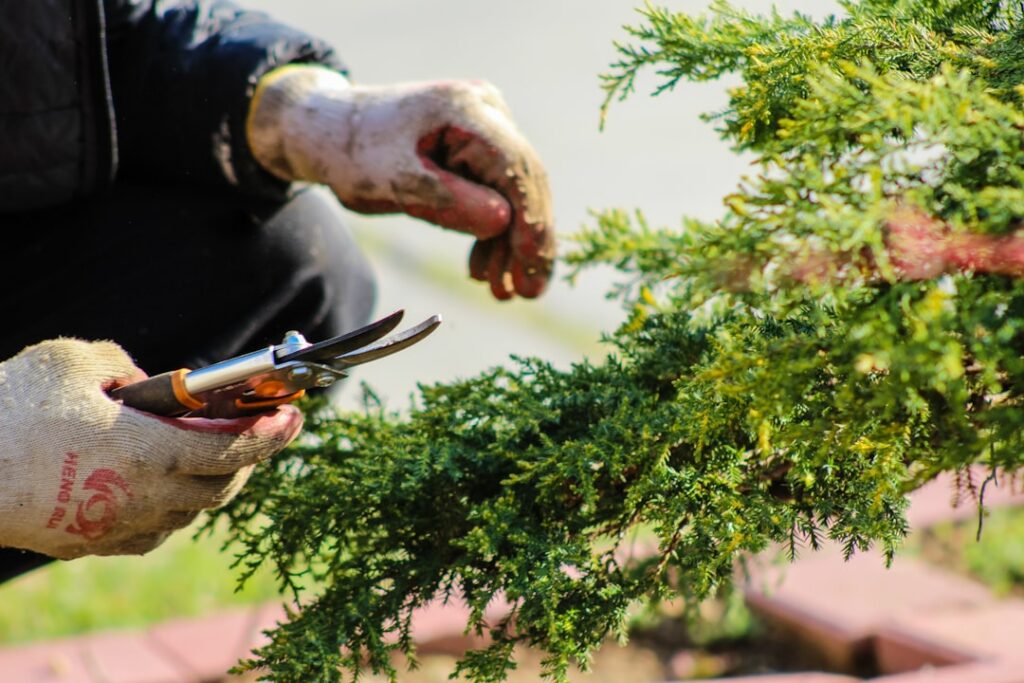
General Steps for Hardwood Cuttings
Most of the shrubs we’ll discuss can be propagated using hardwood cuttings. Here’s a quick overview of the process:
- Choose Healthy Stems: Select disease-free, vigorous stems from the previous year’s growth. They should be pencil-thick.
- Take Cuttings: Cut sections about 6-10 inches long. Make a straight cut just below a node (where a leaf or bud was) at the bottom, and a slanted cut just above a node at the top. This helps you remember which way is up!
- Prepare the Cuttings: Remove any remaining leaves or side shoots. For some shrubs, you might gently wound the bottom inch of the cutting by scraping off a thin strip of bark on one side.
- Apply Rooting Hormone: Dip the bottom end of the cutting into a rooting hormone powder or gel. This significantly boosts success rates.
- Plant: Insert the cuttings into a well-draining, sterile potting mix (like a mix of perlite and peat moss) or sand. Bury about two-thirds of the cutting.
- Provide Care: Keep the soil consistently moist but not soggy. Place them in a cool, sheltered spot, away from direct harsh sunlight. Some gardeners even bury them outdoors in a trench for the winter.
- Patience: Rooting can take several weeks or even months. You’ll know they’ve rooted when you see new growth emerging in spring.
9 Shrubs Perfect for February Propagation
Let’s get to the stars of our show! Here are 9 beautiful shrubs you can propagate this February:
1. Forsythia
- Why them? These harbingers of spring explode with vibrant yellow blooms. They root incredibly easily from hardwood cuttings.
- How to: Take 6-8 inch hardwood cuttings. They don’t always need rooting hormone, but it helps. Plant them in moist soil, and you’ll often see roots and new growth quickly.
2. Weigela
- Why them? Known for their abundant, bell-shaped flowers in shades of pink, red, and white. Weigela is another very obliging shrub for propagation.
- How to: Use 6-10 inch hardwood cuttings. Wounding the base and using rooting hormone can improve success.
3. Hydrangea
- Why them? A garden favorite with big, beautiful blooms. While often propagated from softwood cuttings in summer, some varieties can be started from dormant hardwood cuttings in late winter.
- How to: Select sturdy, leafless stems about 6-8 inches long. Ensure each cutting has at least two nodes.
4. Spirea
- Why them? Spireas are graceful shrubs with delicate flowers, ranging from bridal wreath types to compact mound-formers. They are generally easy to root.
- How to: Take 6-inch hardwood cuttings. Rooting hormone is recommended for best results.
5. Lilac
- Why them? The classic, fragrant spring bloomer. Propagating lilacs allows you to share this beloved scent.
- How to: Use pencil-thick, 8-10 inch hardwood cuttings. Lilacs can be a bit slower to root, so patience is key.
6. Boxwood
- Why them? Excellent for formal hedges, borders, or topiary due to their dense, evergreen foliage.
- How to: Boxwood cuttings are usually taken as semi-hardwood later, but dormant hardwood cuttings can work well in February. Aim for 4-6 inch pieces.
7. Dogwood (Shrub Varieties)
- Why them? Many shrub dogwoods offer beautiful foliage, interesting stem color in winter, and sometimes berries.
- How to: Take 8-10 inch hardwood cuttings. They typically root well with rooting hormone and consistent moisture.
8. Rose (Shrub Varieties)
- Why them? Expand your rose garden or preserve a favorite variety. Many shrub roses can be propagated from dormant hardwood cuttings.
- How to: Choose healthy, pencil-thick canes. Cut 8-12 inch sections, ensuring the top cut is above a bud and the bottom below. Bury most of the cutting.
9. Viburnum
- Why them? A diverse genus offering beautiful flowers, often fragrant, and attractive berries.
- How to: Use 6-10 inch hardwood cuttings from the previous season’s growth. Different species can have varying success rates, but many root reliably.
Essential Tips for Success
- Sanitation is Key: Always use clean, sharp pruning shears to prevent disease spread and ensure clean cuts.
- Moisture Control: Keep the rooting medium consistently moist but never waterlogged. Good drainage is crucial to prevent rot.
- Warmth (but not too much): Cuttings often appreciate some bottom heat (e.g., from a heating mat) to encourage root growth, but avoid overly warm conditions that might encourage top growth before roots are established.
- Patience: Rooting takes time. Don’t be tempted to pull up cuttings to check for roots too often. Wait for visible new top growth as your sign of success.
What Happens Next?
Once your cuttings have developed a strong root system and new growth is evident, they are ready for the next step. Gradually acclimate them to outdoor conditions (a process called ‘hardening off’) before planting them in their permanent spot in the garden after the last frost.
February is a fantastic time to connect with your garden and set the stage for a lush, vibrant spring. Propagating these shrubs is a rewarding project that gives you more plants for less and deepens your understanding of plant life cycles. So, which shrub are you excited to propagate first?