Unlock the Secrets to a Thriving Backyard Garden with Mulch!
Welcome, fellow garden enthusiasts! 🌱 Have you ever wondered how some gardens just seem to explode with life, overflowing with healthy plants and abundant harvests? Often, the secret lies beneath the surface – or rather, on the surface – with a practice called mulching. Mulching is a true game-changer for happy plants, offering a myriad of benefits that can transform your garden from struggling to stunning.
From succulent tomatoes and sweet blueberries to vibrant fruit trees, the type of mulch you choose can seriously impact your harvest and the overall health of your plants. But with so many options out there, how do you pick the right one? Don’t worry, we’re diving deep into the wonderful world of mulch to help you grow your best garden yet, highlighting the best choices and what to avoid.
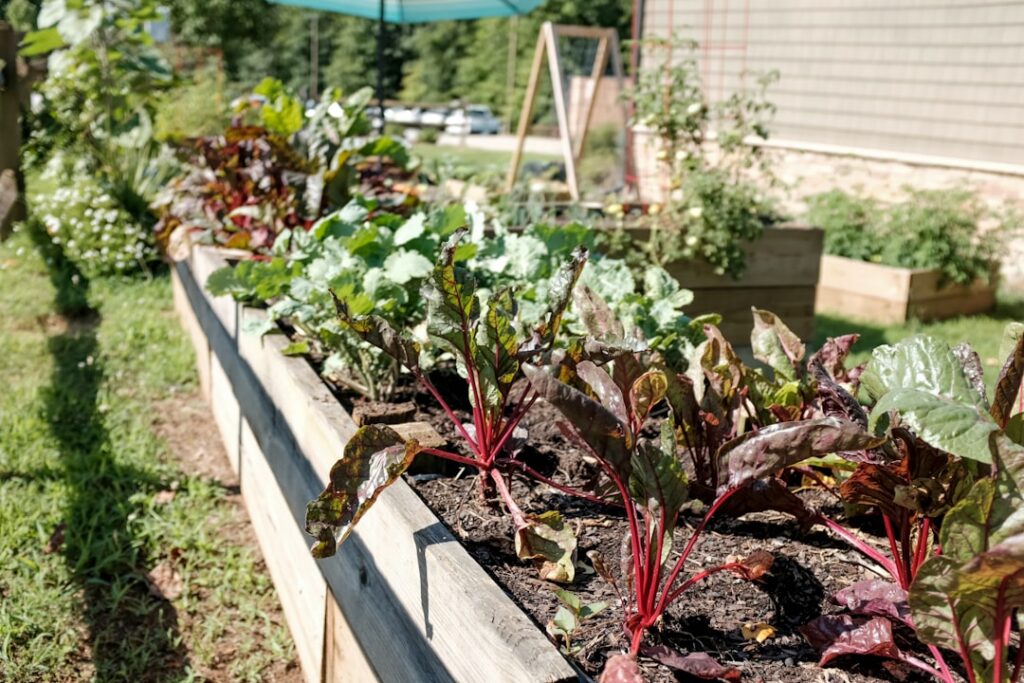
Why Mulch is a Must-Have for Every Gardener
Before we explore the different types, let’s understand why mulching is such a powerful tool in your gardening arsenal:
- Weed Suppression: Mulch acts as a barrier, blocking sunlight and making it difficult for weeds to germinate and grow. Fewer weeds mean less competition for water and nutrients for your beloved plants.
- Moisture Retention: A good layer of mulch helps reduce water evaporation from the soil, meaning you’ll need to water less frequently, especially during dry spells. This is a huge benefit for both your plants and your water bill!
- Soil Temperature Regulation: Mulch insulates the soil, keeping it cooler in summer and warmer in winter. This protects plant roots from extreme temperature fluctuations.
- Soil Improvement: As organic mulches break down, they enrich the soil with valuable nutrients, improve soil structure, and encourage beneficial microbial activity.
- Erosion Control: Mulch helps prevent soil erosion caused by wind and heavy rain, keeping your precious topsoil in place.
- Pest Deterrent: Some mulches can even help deter certain pests, adding another layer of protection for your plants.
Choosing Your Mulch: Organic vs. Inorganic
Mulches generally fall into two main categories: organic and inorganic. Both have their unique benefits and ideal applications.
Organic Mulches: Nature’s Bounty for Your Garden
Organic mulches are derived from natural materials and decompose over time, adding nutrients to your soil. They are generally preferred for most garden beds.
- Wood Chips and Bark Mulch: These are excellent for shrubs, trees, and perennial beds. They are long-lasting and provide good weed suppression and moisture retention. Just ensure they are aged to prevent nitrogen depletion in the soil.
- Straw: Ideal for vegetable gardens, especially around fruiting plants like strawberries and tomatoes. It’s lightweight, improves soil, and keeps fruits clean.
- Shredded Leaves: Free and fantastic! Gathered in the fall, shredded leaves make a nutrient-rich mulch that improves soil structure as it breaks down.
- Compost: A powerhouse for soil improvement, compost acts as both a mulch and a soil amendment, providing a slow release of nutrients.
- Pine Needles: Great for acid-loving plants like blueberries, azaleas, and rhododendrons, as they slowly acidify the soil as they decompose.
- Grass Clippings: Use these sparingly and ensure they haven’t been treated with herbicides. A thin layer can add nitrogen and retain moisture, but thick layers can become matted and smell.
Inorganic Mulches: For Specific Needs and Aesthetics
Inorganic mulches don’t break down and don’t add nutrients to the soil. They are often chosen for pathways, permanent landscaping, or areas where drainage is key.
- Rock and Gravel: Excellent for xeriscaping, rock gardens, or pathways. They offer great drainage and don’t decompose, but can absorb and radiate heat, which isn’t ideal for all plants.
- Landscape Fabric: Provides good weed control but doesn’t improve soil. It can prevent water and nutrient penetration and may degrade over time, leading to maintenance issues.
- Rubber Mulch: Made from recycled tires, it’s long-lasting and often used in playgrounds or specific landscaping designs. However, it doesn’t offer soil benefits and can release chemicals.
How to Apply Mulch for Best Results
Proper application is key to maximizing mulch’s benefits:
- Prepare Your Bed: Clear out any weeds first. A clean slate ensures your mulch is working for your plants, not against them.
- Apply the Right Depth: For most organic mulches, aim for a layer 2-4 inches deep. Too thin, and it won’t be effective; too thick, and it can suffocate roots or create a haven for pests.
- Keep it Away from Stems: Never pile mulch directly against the base of plant stems or tree trunks. This can lead to rot and invite pests. Create a small