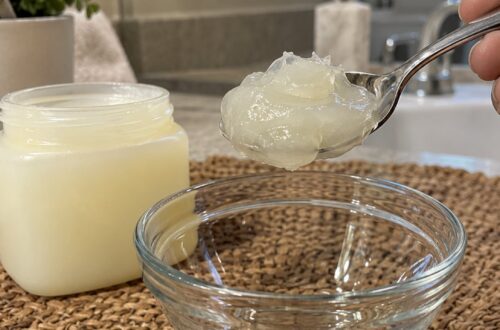
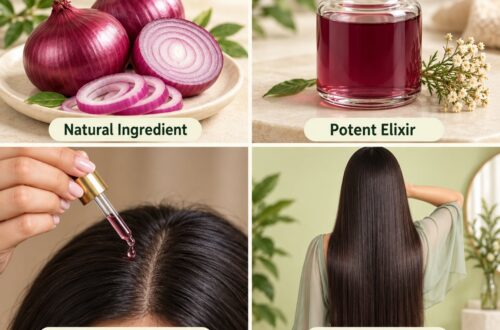
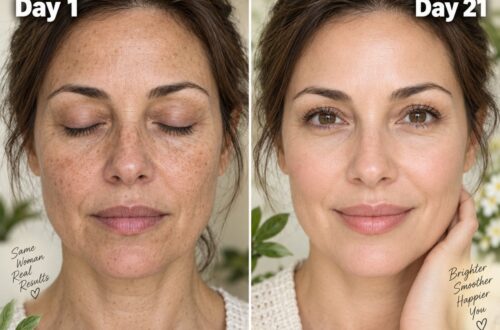
Hey beauty besties! ✨ Are you ready to embrace a skincare routine that’s not only effective but also deeply connected to nature? At Beauty Tips Daily, we believe in harnessing the power of simple, natural ingredients to achieve that coveted healthy glow. Forget complicated routines and expensive products for a moment – today, we’re diving into the wonderful world of homemade skin gels!
Imagine transforming common kitchen staples into potent, skin-loving elixirs. We’re talking about natural gels that can deliver intense hydration, soothe sensitive skin, and impart a radiant luminosity, all while being gentle on your wallet and the planet. These aren’t magic potions promising instant wrinkle erasure or permanent pore shrinkage, but rather a beautiful way to support your skin’s natural health, offering a temporary plumping effect from hydration, soothing benefits, and a boost of antioxidants.
Ready to discover how cloves, okra, rice, and flaxseeds can become your new skincare heroes? Let’s unlock the secrets to a naturally radiant complexion with these four incredible DIY skin gels.
Table of Contents
- Why Gel-Based Skincare Is Popular
- Clove Gel: Your Antioxidant Ally
- Okra Gel: Nature’s Hydrator
- Rice Gel: For a Radiant Complexion
- Flaxseed Gel: Your Skin Barrier Booster
- The Science Behind Your DIY Gels
- Crafting Your Gels: Easy Step-by-Step Recipes
- Optimal Storage & Shelf Life
- Important Safety Tips for Homemade Skincare
- The Golden Rule: Always Patch Test
- Frequently Asked Questions
- Final Thoughts: Embrace Your Natural Glow
- Disclaimer
Why Gel-Based Skincare Is Popular
In the vast world of skincare, gel-based products have carved out a significant niche, and for good reason! Their unique texture and benefits make them a favorite for many seeking effective yet lightweight hydration. Here’s why you might want to consider incorporating DIY skin gel into your daily regimen:
- Lightweight and Non-Greasy: Unlike heavier creams or oils, gels are formulated with a high water content, making them incredibly light on the skin. They absorb quickly without leaving behind any sticky or greasy residue, which is especially beneficial for those with oily or combination skin.
- Quick Absorption: The fast-absorbing nature of gels means that the active ingredients they carry can penetrate the skin more efficiently. This allows for quicker delivery of hydration and beneficial compounds, making your routine more effective.
- Suitable for Various Skin Types: While often lauded by those with oily or acne-prone skin due to their non-comedogenic tendencies, gel-based products can also be a godsend for sensitive skin, offering a soothing and cooling effect without irritation. Even dry skin types can benefit from the deep hydration gels provide, often layered under a richer moisturizer.
- Cooling and Soothing Effect: Many natural gels have an inherently cooling sensation upon application, which can be incredibly refreshing, especially in warmer climates or for calming irritated or sun-exposed skin. This soothing property is a major draw for those seeking comfort and relief.
- Efficient Delivery of Active Ingredients: Gels are excellent vehicles for delivering water-soluble ingredients like vitamins, antioxidants, and humectants (substances that draw moisture into the skin). This makes them an ideal choice for homemade beauty recipes where you want to maximize the benefit of natural extracts.
By understanding the appeal of gel-based skincare, you’re already one step closer to appreciating the magic of our DIY creations. These homemade options take the benefits of gels and infuse them with the goodness of natural ingredients, offering a fresh, personalized approach to your hydrating skincare.
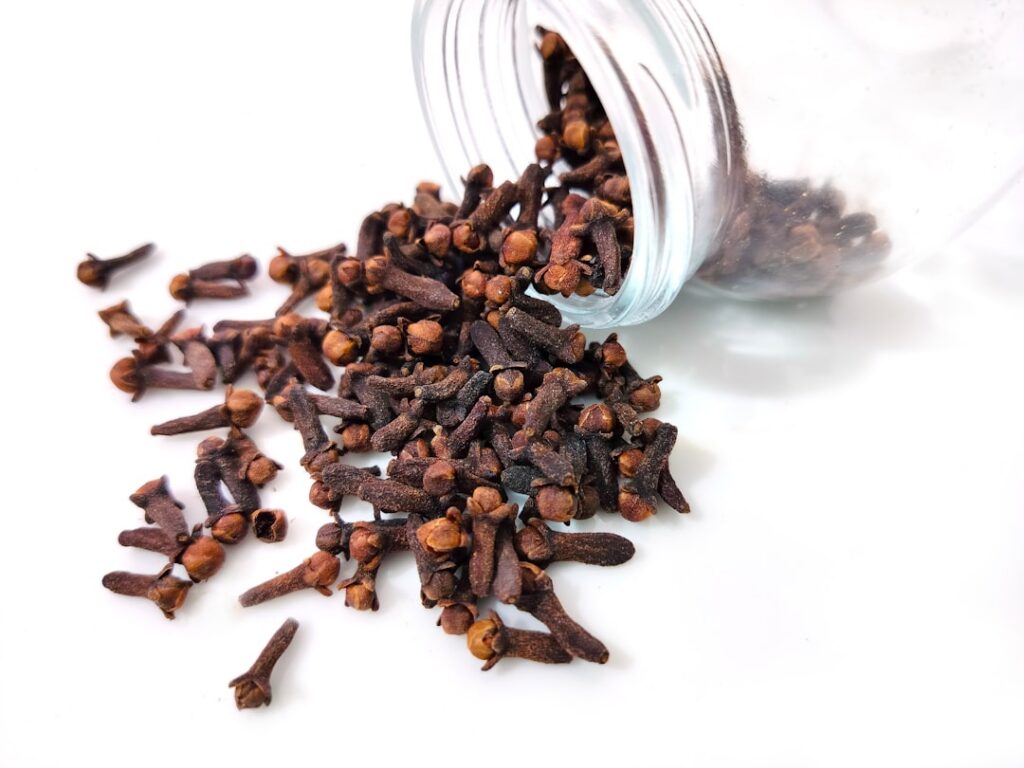
Clove Gel: Your Antioxidant Ally
Cloves, those fragrant little buds often found in spice racks, are much more than just a culinary delight. They’ve been used in traditional remedies for centuries, and their potent properties can be wonderfully beneficial for your skin when incorporated into a gentle DIY skin gel.
The Power of Cloves for Skin
Clove is renowned for its rich concentration of antioxidants, particularly eugenol. This compound is a powerhouse when it comes to combating free radical damage, which is a major contributor to visible signs of aging and overall skin dullness. By helping to neutralize these free radicals, clove gel can support your skin’s natural resilience and contribute to a healthier-looking complexion.
- Antioxidant Support: The eugenol in cloves offers robust antioxidant properties, which help protect the skin from environmental stressors that can lead to a tired or lackluster appearance.
- Soothing Sensation: Clove also possesses natural soothing qualities. When applied topically in a diluted, gel form, it can offer a comforting sensation, helping to calm the skin and reduce the look of temporary redness or irritation.
- Purifying Properties: Traditionally, cloves have been associated with purifying benefits. When used in a facial moisturizer, clove gel may help to promote a clearer-looking complexion by supporting overall skin hygiene.
It’s important to have realistic expectations. While clove gel is a fantastic addition to a natural skincare routine for its protective and soothing benefits, it won’t miraculously erase wrinkles. Instead, think of it as a gentle friend that helps support your skin’s natural defense mechanisms and contributes to a vibrant, healthy glow. Always ensure proper dilution and patch test to avoid any sensitivity.
Okra Gel: Nature’s Hydrator
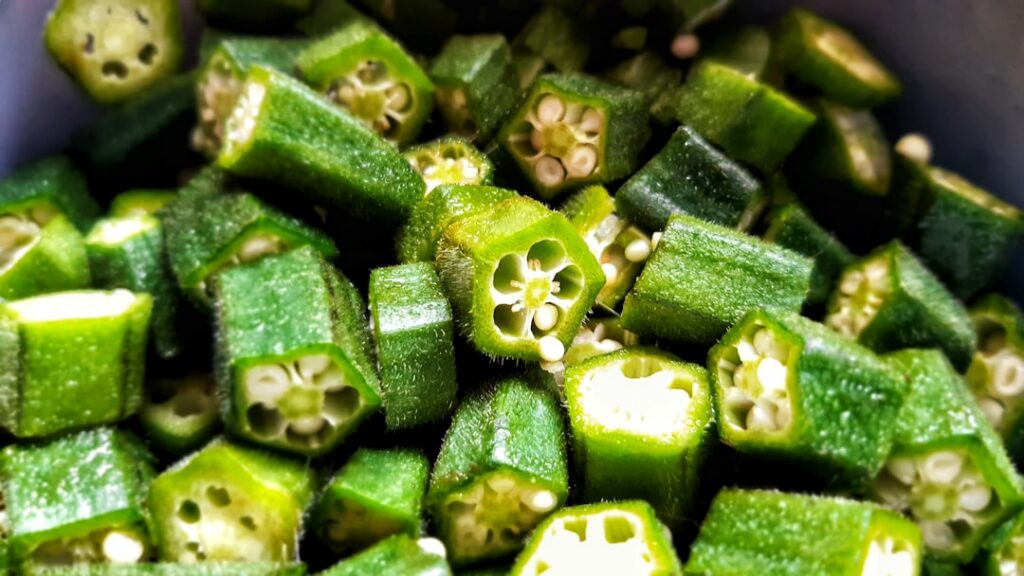
Often overlooked in the beauty world, okra, or “lady’s finger,” is a humble vegetable with an incredible secret for your skin: its mucilage. This naturally occurring slimy substance, similar to what you find in flaxseeds, is a powerhouse humectant that can provide intense hydration and a silky feel to your skin.
Embrace the “Slimy” Goodness of Okra
The mucilage in okra is a type of polysaccharide that acts much like hyaluronic acid, a popular ingredient in commercial skincare. It excels at drawing moisture from the environment and binding it to your skin, providing deep and lasting hydration. This can make your skin feel incredibly soft, plump, and supple.
- Intense Hydration: Okra gel is a fantastic natural humectant. Its mucilage forms a hydrating barrier on the skin, helping to lock in moisture and prevent transepidermal water loss, leading to a dewy, well-hydrated look.
- Skin Softening: Regular use of okra gel as a facial moisturizer can leave your skin feeling remarkably soft and smooth. The rich texture contributes to a velvety feel, enhancing your skin’s overall tactile quality.
- Soothing & Calming: Its gentle nature makes okra gel an excellent choice for sensitive or easily irritated skin. It can help to calm and soothe the skin, reducing the appearance of temporary redness and discomfort.
While the initial concept of a “slimy” gel might sound unusual, the results speak for themselves. Okra gel won’t “boost collagen” in the way clinical treatments do, but by providing profound hydration, it can help your skin look plumper, more elastic, and visibly refreshed. It’s an affordable and effective way to achieve a hydrated, healthy-looking complexion with a natural feel.
Rice Gel: For a Radiant Complexion
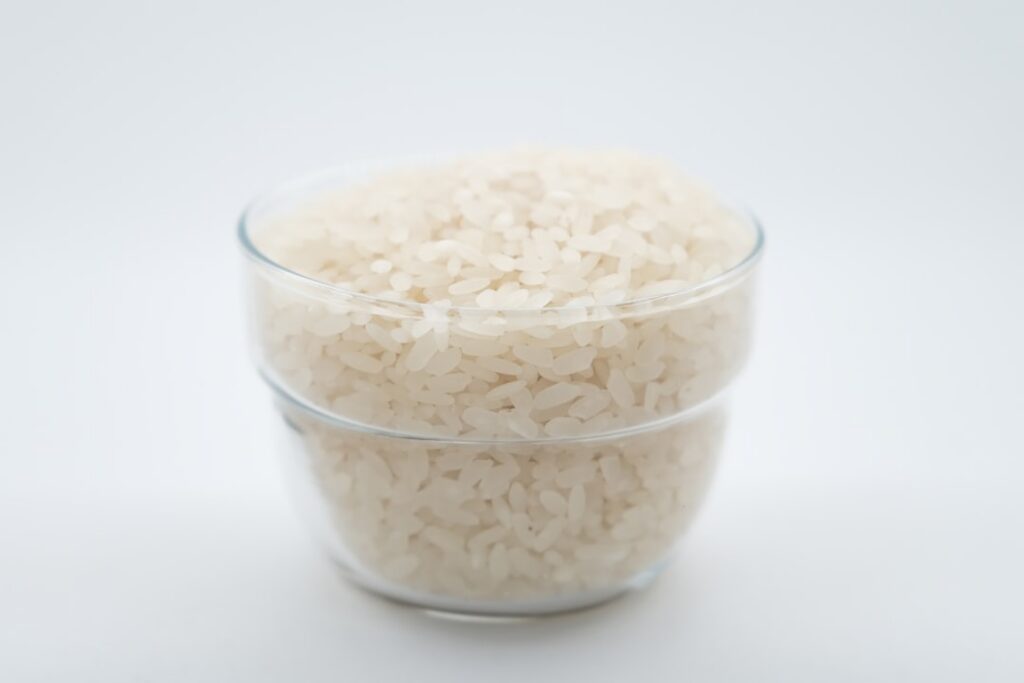
For centuries, rice and rice water have been cherished beauty secrets, particularly in Asian cultures, renowned for their ability to promote a bright, smooth, and even-toned complexion. Turning this ancient wisdom into a DIY skin gel brings its benefits directly to your daily routine.
The Timeless Beauty of Rice
Rice water, created when rice is soaked or boiled, is a treasure trove of amino acids, vitamins (especially B and E), minerals, and antioxidants. These components work synergistically to nourish the skin, helping to enhance its natural radiance and contribute to a more refined texture.
- Brightening Effect: The vitamins and amino acids in rice gel can help to visibly improve skin tone and luminosity. Regular application can lead to a more even and brighter complexion, reducing the appearance of dullness.
- Soothing & Calming: Rice has natural anti-inflammatory properties that can help soothe irritated skin. It’s gentle enough for most skin types, making it an excellent choice for calming temporary redness or sensitivity.
- Gentle Hydration: Rice gel acts as a mild humectant, providing gentle yet effective hydration. It helps to keep the skin feeling supple and moisturized without feeling heavy.
- Improved Texture: Consistent use can contribute to a smoother, more refined skin appearance. While it won’t instantly create “glass skin” or dramatically shrink pores, it supports a healthy skin barrier and can help diminish the look of enlarged pores by plumping the surrounding skin.
Embrace rice gel as part of your natural skincare routine for a truly radiant and calm complexion. It’s a testament to how simple ingredients can yield profound benefits, helping you achieve a luminous glow that feels authentic and beautiful.
Flaxseed Gel: Your Skin Barrier Booster
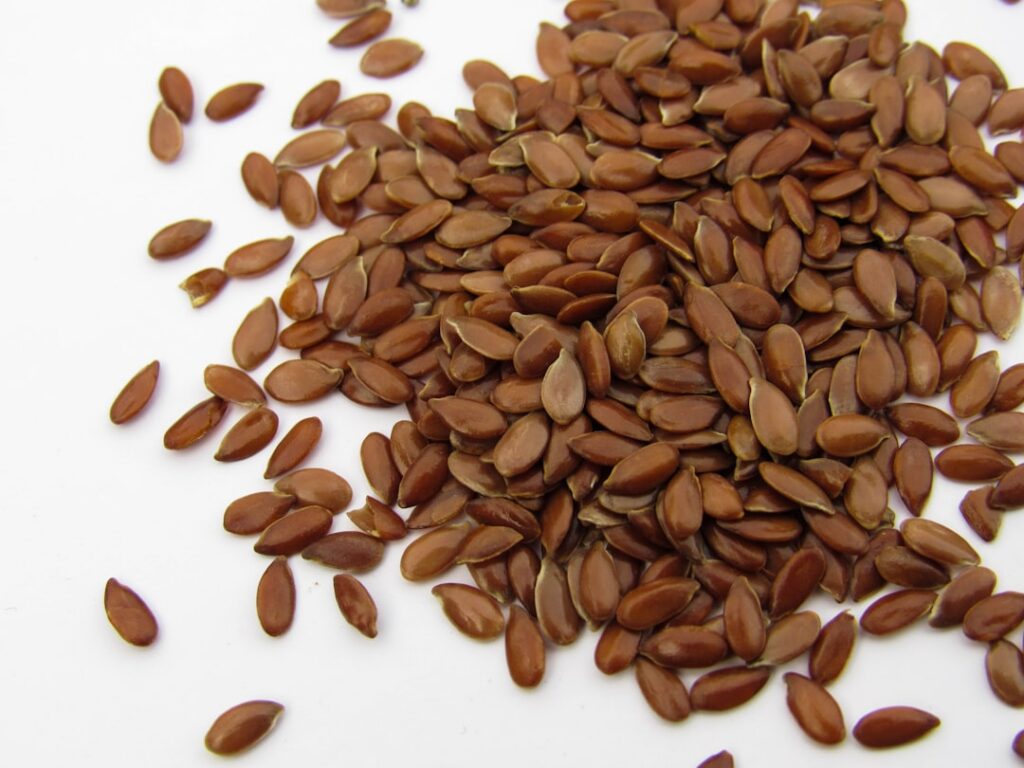
Flaxseeds, often hailed as a nutritional powerhouse, are equally impressive when it comes to skincare. These tiny seeds, when boiled, release a mucilaginous gel that is brimming with skin-loving benefits, especially for hydration and supporting your skin’s natural barrier.
The Multifaceted Benefits of Flaxseed Gel
Flaxseed gel is particularly rich in alpha-linolenic acid (ALA), an omega-3 fatty acid, along with lignans and other beneficial compounds. These elements make it an exceptional natural ingredient for nourishing and protecting the skin.
- Deep Moisturization: Similar to okra, flaxseed gel is an outstanding humectant. Its mucilage attracts and locks in moisture, providing deep and lasting hydration that leaves your skin feeling supple and well-quenched.
- Omega-3 Fatty Acids: The ALA in flaxseeds is crucial for maintaining a healthy skin barrier. A strong skin barrier is essential for retaining moisture, protecting against environmental aggressors, and keeping your skin looking smooth and resilient.
- Soothing & Calming: Flaxseed gel has renowned soothing properties, making it an excellent choice for calming sensitive or irritated skin. It can help reduce the appearance of temporary redness and discomfort, promoting a feeling of ease.
- Temporary Firming Sensation: The natural texture of flaxseed gel can provide a temporary tightening and firming sensation upon application. This effect can help to make pores *appear* less noticeable by plumping the skin, contributing to a smoother and more refined skin texture. It’s important to note this is a visual and temporary effect, not a permanent shrinking of pores.
Incorporating flaxseed gel into your natural skincare routine is a fantastic way to boost hydration, support your skin barrier, and enjoy a smoother, more comfortable complexion. It’s a simple, yet potent, homemade beauty recipe that truly delivers.
The Science Behind Your DIY Gels
Understanding the “why” behind these natural ingredients makes their benefits even more compelling. Let’s delve into a little ingredient science to appreciate the molecular magic happening in your DIY skin gels.
Clove: Eugenol and Antioxidants
The star compound in cloves is eugenol, a phenolic compound responsible for its characteristic aroma and potent biological activities. Eugenol is a powerful antioxidant, meaning it helps to neutralize free radicals generated by environmental factors like UV radiation and pollution. These free radicals can damage skin cells, leading to oxidative stress and contributing to the visible signs of aging. By incorporating clove gel, you’re essentially providing your skin with a shield of antioxidants, helping to maintain its youthful vitality and protect it from daily stressors. Additionally, cloves contain tannins and flavonoids, which contribute to their soothing and purifying properties.
Okra: Polysaccharide Power for Hydration
The “sliminess” of okra comes from its rich content of polysaccharides, specifically mucilage. These long-chain sugar molecules are exceptional humectants, meaning they have a remarkable ability to attract and bind water molecules from the environment to your skin. This deep hydration is crucial for maintaining skin elasticity, plumpness, and a healthy barrier function. Okra also contains vitamins A and C, which are beneficial for overall skin health, contributing to its soothing and nourishing effects.
Rice: Amino Acids, Vitamins, and Inositol
Rice water, and by extension rice gel, is a complex mixture of compounds that benefit the skin. It’s rich in amino acids, the building blocks of proteins, which are essential for skin repair and regeneration. It also contains B vitamins (like thiamine, niacin, and riboflavin) and vitamin E, known for their antioxidant and moisturizing properties. A key compound is inositol, a carbohydrate that can help improve skin elasticity and reduce the appearance of pores. When rice water is fermented, beneficial yeasts and fungi can produce compounds similar to “Pitera” (a trademarked ingredient), further enhancing its potential for brightening and evening skin tone by supporting cell turnover and barrier function.
Flaxseeds: Omega-3s, Mucilage, and Lignans
Flaxseeds are a nutritional powerhouse for the skin, primarily due to their high content of Alpha-Linolenic Acid (ALA), an omega-3 fatty acid. ALA is an essential fatty acid, meaning our bodies can’t produce it, but it’s vital for maintaining the integrity of the skin’s lipid barrier. A healthy lipid barrier prevents moisture loss, keeps irritants out, and results in smoother, more resilient skin. Beyond ALA, flaxseeds also yield abundant mucilage (similar to okra), which provides superb humectant hydration, and lignans, plant compounds with antioxidant properties. The combination of these elements makes flaxseed gel an exceptional choice for soothing dry or sensitive skin, strengthening the skin barrier, and promoting a plump, healthy glow.
By understanding these active components, you can truly appreciate the intelligent design of nature and how these simple ingredients can offer comprehensive benefits for your skin’s health and radiance.
Crafting Your Gels: Easy Step-by-Step Recipes
Ready to get your hands a little messy in the name of glowing skin? Here are the detailed, easy-to-follow recipes for each of our amazing DIY skin gels. Remember, hygiene is key when making homemade products, so always start with clean hands, utensils, and containers.
1. Clove Gel: Antioxidant Boost
Ingredients:
- 1 tablespoon whole cloves
- 1 cup distilled water
- 1 teaspoon aloe vera gel (optional, for extra soothing and texture)
- Small, clean airtight container
Instructions:
- In a small saucepan, combine the whole cloves and distilled water.
- Bring the mixture to a gentle boil, then reduce heat to low and simmer for about 10-15 minutes, or until the water reduces slightly and takes on a light brown tint, indicating the clove properties have infused.
- Remove from heat and let the mixture cool completely.
- Once cool, strain the liquid using a fine-mesh sieve or cheesecloth to remove all clove pieces. You should have a brownish, aromatic liquid.
- If using, stir in the aloe vera gel until thoroughly combined. This helps thicken the gel and adds extra soothing benefits.
- Pour the clove gel into your clean airtight container.
2. Okra Gel: Hydration Hero
Ingredients:
- 4-5 medium-sized okra pods, washed and sliced into thin rounds
- 1 cup distilled water
- Small, clean airtight container
Instructions:
- In a small saucepan, combine the sliced okra and distilled water.
- Bring the mixture to a boil, then reduce the heat to low and simmer for about 15-20 minutes. You’ll notice the water becoming thick and slimy due to the mucilage released from the okra.
- Remove from heat and let the mixture cool completely.
- Once cool, carefully strain the gel through a fine-mesh sieve or cheesecloth. Press down on the okra pieces to extract as much of the gel as possible. This step requires a bit of patience!
- Pour the translucent, viscous okra gel into your clean airtight container.
3. Rice Gel: Radiance Enhancer
Ingredients:
- 1/2 cup organic white rice (e.g., jasmine, basmati, or short-grain)
- 2 cups distilled water
- Small, clean airtight container
Instructions:
- Rinse the rice thoroughly under cold running water until the water runs clear. This removes excess starch and impurities.
- In a bowl, combine the rinsed rice and 2 cups of distilled water.
- Let the rice soak for at least 30 minutes, or up to 2 hours. Gently massage the rice with your hands during this time to help release the nutrients into the water. For a more potent, slightly fermented version, you can let it sit at room temperature for 12-24 hours (ensure it doesn’t develop a sour smell).
- After soaking, strain the rice water into a clean saucepan, separating it from the rice grains (you can cook the rice later!).
- Bring the rice water to a gentle boil over medium heat, then reduce heat to low and simmer, stirring occasionally, until the liquid thickens into a gel-like consistency (about 10-15 minutes). Be careful not to let it boil over.
- Remove from heat and let the rice gel cool completely. It will thicken further as it cools.
- Pour the smooth, milky rice gel into your clean airtight container.
4. Flaxseed Gel: Barrier Support
Ingredients:
- 1/4 cup whole flaxseeds (golden or brown)
- 2 cups distilled water
- Small, clean airtight container
Instructions:
- In a saucepan, combine the whole flaxseeds and distilled water.
- Bring the mixture to a boil over medium-high heat.
- Once boiling, reduce the heat to low and simmer for 7-10 minutes, stirring occasionally. The liquid will begin to thicken and take on a gel-like consistency. It should look like egg whites. Be careful not to overcook, or it will become too thick to strain.
- Remove from heat immediately. This is the crucial step: strain the gel WHILE IT’S STILL HOT (but handle with care!). If you wait too long, it will become too thick to pass through the sieve. Use a fine-mesh sieve or a nylon stocking/cheesecloth placed over a bowl.
- Press the flaxseeds against the sieve to extract all the gel.
- Let the flaxseed gel cool completely. It will thicken further as it cools.
- Pour the clear, viscous flaxseed gel into your clean airtight container.
Congratulations! You’ve just created your own batch of nourishing DIY skin gels. Now, let’s talk about how to keep them fresh and effective.
Optimal Storage & Shelf Life
Homemade skincare products, while wonderfully natural, lack the preservatives found in commercial formulations. This means they have a shorter shelf life and require careful storage to remain safe and effective.
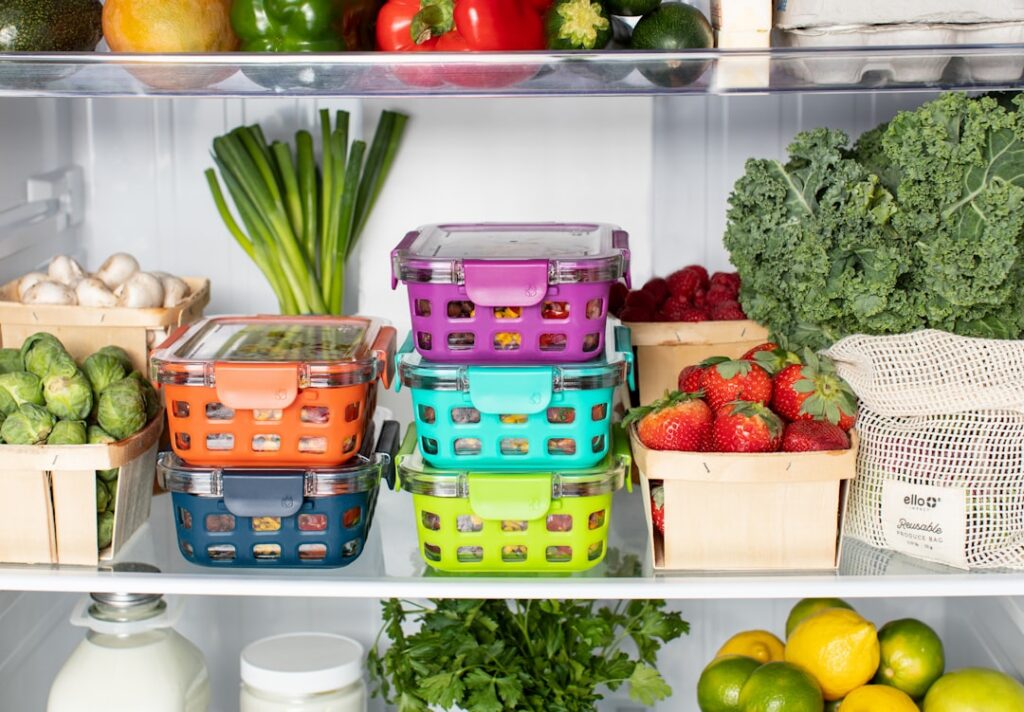
- Refrigeration is Key: Always store your DIY skin gels in the refrigerator immediately after preparation. The cool temperature slows down bacterial growth and helps maintain the integrity of the natural ingredients.
- Airtight Containers: Use clean, sterilized, airtight containers (preferably glass jars with tight-fitting lids) to store your gels. This prevents contamination from airborne bacteria and helps maintain freshness.
- Avoid Contamination: To prevent introducing bacteria, always use a clean spatula or spoon to scoop out the gel, rather than dipping your fingers directly into the container.
- Small Batches: It’s best to make these gels in small quantities that you can use up within their recommended shelf life. Avoid making large batches to minimize waste and ensure freshness.
Shelf Life
The typical shelf life for these homemade gels, when stored correctly in the refrigerator, is:
- Clove Gel: Approximately 5-7 days.
- Okra Gel: Around 5-7 days.
- Rice Gel: Can last up to 7-10 days, especially if fermented slightly, but always check for freshness.
- Flaxseed Gel: Typically 7-10 days.
Important: Always pay attention to the smell, color, and texture of your gels. If you notice any changes (e.g., an off odor, discoloration, mold growth, or unusual sliminess), discard the gel immediately, even if it’s within the suggested shelf life. When in doubt, throw it out!
Important Safety Tips for Homemade Skincare
While natural ingredients are wonderful, it’s crucial to approach DIY skincare with a focus on safety. Your skin is your largest organ, and treating it with care is paramount. Here are essential safety tips to keep in mind:
- Hygiene is Non-Negotiable: Always wash your hands thoroughly with soap and water before preparing any DIY skincare product. Use clean, sterilized utensils, bowls, and storage containers. Sanitize equipment by boiling or using a food-grade sanitizer.
- Use Fresh, High-Quality Ingredients: Just as you wouldn’t cook with spoiled food, don’t use old or questionable ingredients for your skin. Ensure your cloves, okra, rice, and flaxseeds are fresh and free from mold or pests. Opt for organic where possible.
- Distilled Water is Best: Tap water can contain impurities, chlorine, and minerals that might interact negatively with your ingredients or harbor bacteria. Using distilled water ensures a cleaner base for your gels.
- Avoid Contamination During Use: As mentioned, use a clean spatula or spoon to retrieve your gel, rather than your fingers, to prevent bacterial transfer.
- Don’t Apply to Broken or Irritated Skin: Never apply homemade gels to open wounds, cuts, sunburned, or severely irritated skin. While these gels are soothing, they are not designed for medicinal purposes.
- Mind Essential Oil Use (if adding): If you decide to add essential oils for fragrance or additional benefits, do so with extreme caution. Essential oils are highly concentrated and can cause irritation or allergic reactions. Research safe dilution rates and always patch test separately. For these recipes, we recommend enjoying the natural aromas.
- Listen to Your Skin: Your skin will tell you what it likes and dislikes. If you experience any burning, itching, excessive redness, or discomfort after application, discontinue use immediately and gently rinse your skin.
By following these safety guidelines, you can enjoy the benefits of your homemade gels with peace of mind and keep your skin happy and healthy.
The Golden Rule: Always Patch Test
This cannot be stressed enough: Before applying any new homemade skincare product, including these gels, to your entire face or a large area of your body, you MUST perform a patch test.
What is a Patch Test and Why is it Crucial?
A patch test is a simple way to check if your skin will react negatively to a new product or ingredient. Even natural ingredients can cause allergic reactions, sensitivity, or irritation in some individuals. What works beautifully for one person might not suit another.
How to Perform a Patch Test:
- Choose a Discreet Area: Select a small, inconspicuous patch of skin, such as behind your ear, on your inner forearm, or on the side of your neck.
- Apply a Small Amount: Apply a tiny, pea-sized amount of the prepared gel to the chosen area.
- Wait and Observe: Leave the gel on for at least 24 to 48 hours. During this time, monitor the area for any signs of reaction, such as redness, itching, burning, swelling, rash, or irritation.
- Check Results: If you experience any discomfort or visible reaction, immediately wash off the product and do not use it on your face or larger areas. If no reaction occurs after the full observation period, it’s generally safe to proceed with using the gel on your face.
Taking a few moments for a patch test can save you from potential skin discomfort and ensure that your DIY skincare journey is a positive one. It’s a small step that makes a huge difference in safe skincare practices.
Frequently Asked Questions
Q: Can I use these DIY skin gels daily?
A: Yes, for most skin types, these hydrating and soothing gels can be incorporated into your daily skincare routine, typically twice a day (morning and night) after cleansing and toning. Start with once a day to see how your skin reacts, then adjust as needed. Listen to your skin!
Q: Are these gels suitable for all skin types?
A: Generally, yes. They are designed to be hydrating and soothing, which benefits most skin types. Oily and combination skin types often prefer the lightweight nature of gels. Dry skin can use them as a hydrating serum layer beneath a richer moisturizer. However, individual sensitivities vary, which is why patch testing is essential for everyone.
Q: Can I combine different gels or use them in rotation?
A: Absolutely! You can alternate using different gels based on your skin’s needs on any given day. For instance, use okra gel for intense hydration on a dry day, and rice gel for brightening when your skin looks dull. You can even layer them, applying a lighter gel first (like clove or rice) and then a slightly thicker one (okra or flaxseed).
Q: How do I apply these homemade moisturizers?
A: After cleansing and toning your face, take a small, pea-sized amount of the gel with a clean spatula or your fingertips. Gently pat and smooth it evenly over your face and neck. Allow it to absorb fully before applying any additional serums, moisturizers, or sunscreen.
Q: What if I have allergies to any of the ingredients?
A: If you have a known allergy to cloves, okra, rice, or flaxseeds (or any ingredient used), do not use the corresponding gel. Always check ingredient lists and consider consulting with a dermatologist if you have concerns about specific allergies or very sensitive skin before trying any new homemade recipe.
Final Thoughts: Embrace Your Natural Glow
Embarking on a journey with DIY natural gels is more than just a skincare routine; it’s a mindful act of self-care and a testament to the powerful simplicity of nature. By choosing to create your own homemade moisturizer, you’re embracing control over what goes on your skin, opting for fresh ingredients, and cultivating a deeper connection to your beauty rituals.
These clove, okra, rice, and flaxseed gels offer incredible potential for hydrating skincare, delivering a bounty of antioxidants, soothing properties, and essential moisture to help your skin thrive. Remember, the goal isn’t perfection, but rather consistent nourishment that leads to a healthy, vibrant, and natural glow. Be patient with your skin, observe how it responds, and most importantly, enjoy the process of nurturing yourself with these wonderful homemade beauty recipes.
Your radiant skin journey starts here, with simple, honest ingredients and a whole lot of love. Here’s to finding your perfect natural skincare routine!
Disclaimer
The information provided in this article by Beauty Tips Daily is intended for general informational purposes only and is not a substitute for professional medical advice, diagnosis, or treatment. Always seek the advice of a qualified dermatologist or healthcare provider with any questions you may have regarding a medical condition or before starting any new skincare regimen, especially if you have sensitive skin, allergies, or underlying health conditions. Homemade skincare products are made at your own risk. We do not endorse or make any claims that these DIY gels will cure skin conditions, erase wrinkles, permanently shrink pores, or boost collagen. Individual results may vary. Always perform a patch test before using any new product on your skin. Discontinue use if irritation occurs.
Comment ‘Recipe’ below to share your favorite natural beauty recipe or ask for more tips!