Are you constantly battling hunger pangs, even after a meal? Many people find themselves in a similar situation, looking for ways to feel satisfied without overdoing the calories. The secret often lies in understanding the power of low-calorie volume foods. These nutritional gems are packed with water, fiber, and essential nutrients, helping you stay full and energized throughout your day without excessive caloric intake.
At Wellness Daily, we believe in empowering you with knowledge to make smart, sustainable choices for your health. Let’s dive into how you can use volume eating to your advantage.
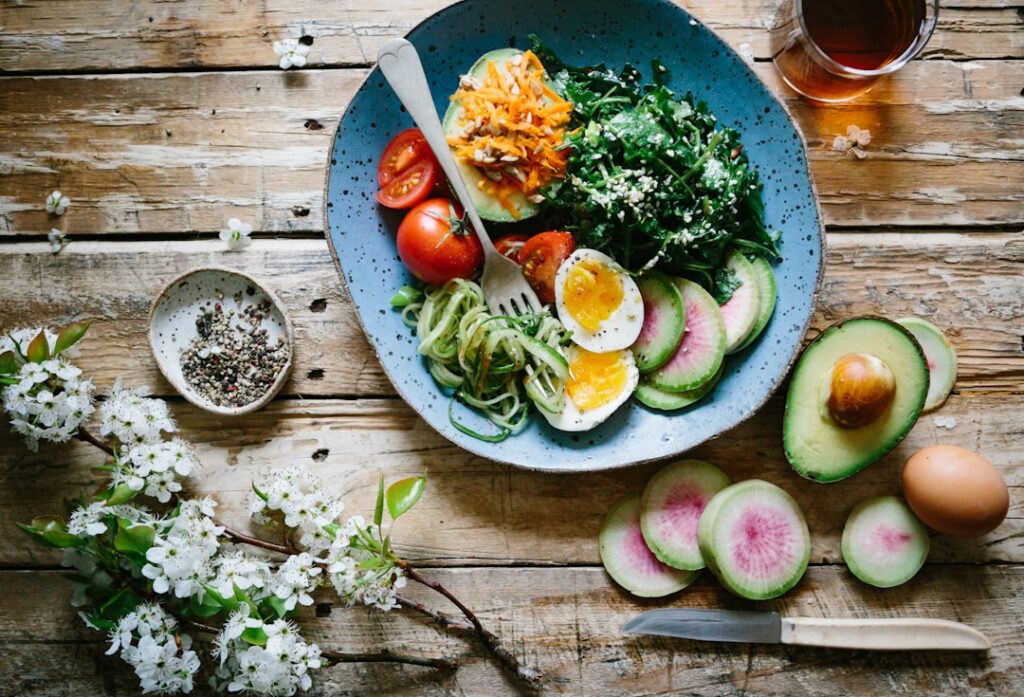
What Exactly Are Low-Calorie Volume Foods?
Low-calorie volume foods are essentially foods that contain a large amount of water and fiber, meaning they take up significant space in your stomach for relatively few calories. Think about it: a cup of spinach has far fewer calories than a cup of olive oil, yet both fill the same physical space. This concept is often referred to as ‘calorie density’ — how many calories are in a given weight or volume of food.
Foods with low calorie density allow you to eat larger portions, which can trick your brain into feeling more satisfied and full. The fiber also plays a crucial role, slowing down digestion and providing a sustained feeling of fullness.
The Benefits of Embracing Volume Eating
Incorporating low-calorie volume foods into your diet offers a multitude of benefits:
- Enhanced Satiety: The high water and fiber content helps fill your stomach, signaling to your brain that you’re full and reducing the likelihood of overeating.
- Nutrient Boost: Most volume foods are fruits and vegetables, which are bursting with vitamins, minerals, and antioxidants essential for overall health.
- Weight Management Support: By feeling fuller on fewer calories, you may naturally reduce your overall caloric intake, which can support healthy weight management.
- Improved Digestion: The ample fiber content promotes healthy digestion and can help prevent constipation.
- Stable Blood Sugar: Fiber also helps to slow the absorption of sugars into the bloodstream, contributing to more stable blood sugar levels.
Top Low-Calorie Volume Foods to Include in Your Diet
Ready to discover some of these amazing foods? Here are some categories to focus on:
Load Up on Leafy Greens & Non-Starchy Vegetables
These are the champions of volume eating. They’re incredibly low in calories, high in water and fiber, and packed with nutrients.
- Leafy Greens: Spinach, kale, lettuce, arugula, Swiss chard
- Cruciferous Vegetables: Broccoli, cauliflower, Brussels sprouts, cabbage
- Other Non-Starchy Veggies: Zucchini, cucumber, bell peppers, mushrooms, asparagus, green beans, celery, radishes
Hydrating Fruits
While some fruits are higher in sugar, many are excellent sources of water and fiber, making them great for satiety.
- Berries: Strawberries, blueberries, raspberries, blackberries
- Melons: Watermelon, cantaloupe, honeydew
- Citrus Fruits: Oranges, grapefruits
- Other Water-Rich Fruits: Peaches, plums
Broth-Based Soups
Starting a meal with a clear, broth-based vegetable soup can significantly reduce the amount you eat during the main course. The water content fills you up quickly without many calories.
Smart Strategies for Incorporating Volume Foods
Making volume eating a habit is easier than you think. Here are some practical tips:
- Start Meals with a Salad: A large salad (with light dressing) before your main meal can take the edge off your hunger.
- Bulk Up Your Dishes: Add extra vegetables to stir-fries, omelets, pasta sauces, casseroles, and curries.
- Smart Snacking: Instead of chips or cookies, opt for raw vegetable sticks with hummus, a piece of fruit, or a small handful of berries.
- Blend Them In: Add spinach to your morning smoothie — you likely won’t even taste it!
- Don’t Forget Water: Staying well-hydrated is crucial for satiety, as sometimes thirst can be mistaken for hunger.
Beyond Volume: The Role of Protein and Healthy Fats
While low-calorie volume foods are fantastic, a truly satisfying and balanced diet also needs adequate protein and healthy fats. Protein is well-known for its satiety-boosting effects, and healthy fats help you feel full and absorb fat-soluble vitamins. Combine your volume foods with lean proteins (like chicken breast, fish, tofu, or legumes) and sources of healthy fats (like avocado, nuts, seeds, or olive oil) for a truly satisfying and nutritious meal.
Important Considerations
Remember that balance and variety are key. While focusing on low-calorie volume foods is a great strategy, ensure you’re still getting a wide range of nutrients from all food groups. This approach is about making smarter choices, not about restrictive eating.
This information is for educational purposes only and is not intended to be a substitute for professional medical advice, diagnosis, or treatment. Always seek the advice of your physician or other qualified health provider with any questions you may have regarding a medical condition.