Are you looking to boost your garden’s productivity, keep your plants healthier, and make harvesting a breeze? The secret might be simpler than you think: choosing the right trellis for your crops! Trellising isn’t just about making your garden look tidy; it’s a game-changer for plant health, yield, and overall gardening success.
Why Trellising is a Must for Your Garden
Many gardeners, especially those with limited space or who struggle with plant diseases, find trellising invaluable. Here’s why you should consider incorporating plant supports into your garden:
- Increased Yield: When plants grow vertically, they receive more sunlight and have better air circulation, leading to more abundant and healthier fruits and vegetables.
- Disease Prevention: Keeping plants off the ground reduces their contact with soil-borne pathogens and pests, minimizing the risk of fungal diseases and rot.
- Space Saving: Vertical gardening allows you to grow more in a smaller footprint, making it perfect for urban gardens, patios, or any gardener looking to maximize their space.
- Easier Harvesting: No more bending and searching through dense foliage! Supported plants present their produce at an accessible height, making picking effortless.
- Improved Airflow: Better air circulation around leaves helps reduce humidity, which is crucial for preventing powdery mildew and other common plant ailments.
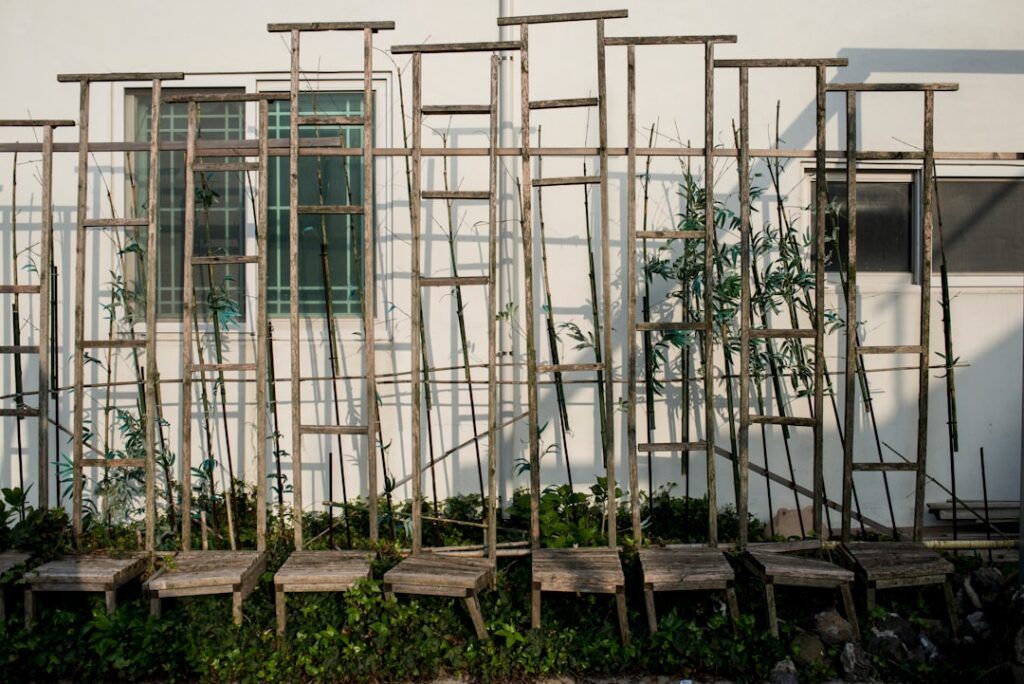
Understanding Different Types of Trellises
Before you choose, it’s good to know your options. Different crops thrive with different types of support:
1. Stakes
Simple and effective, stakes are individual poles driven into the ground next to a plant. They’re great for plants that grow tall but don’t vine extensively.
2. Cages
These are circular or square structures that surround the plant, offering support from all sides as it grows upwards. They’re popular for bushy plants.
3. Netting or Mesh
Plastic or metal mesh can be strung vertically or horizontally between posts. It’s excellent for vining plants whose tendrils can easily grip the netting.
4. A-Frame Trellises
Shaped like the letter ‘A’, these are sturdy structures that offer two climbing surfaces. They are fantastic for medium to large vining plants and can be very space-efficient.
5. Obelisks or Tepees
Often decorative, these structures converge at the top and are perfect for climbing flowers or vining vegetables that can be trained to grow around them.
Choosing the Right Trellis for Your Favorite Crops
Now for the practical part! Let’s match the best support to some common garden vegetables:
Tomatoes
- Indeterminate (Vining) Tomatoes: These varieties grow continuously and need robust support. Sturdy stakes (e.g., wooden, metal rebar) combined with pruning, or tall, strong cages are ideal. You can also use a string trellis system for intensive growing.
- Determinate (Bush) Tomatoes: These grow to a specific size and stop. Standard tomato cages or medium stakes work well to keep them upright and prevent fruit from touching the ground.
Cucumbers
- Cucumbers are natural climbers and love to vine! A-frame trellises, vertical netting, or even sturdy cages are excellent choices. Trellising keeps the fruit straight and prevents disease.
Peas and Beans
- Climbing Peas & Pole Beans: Both these vining plants need something to grab onto. Pea netting, poles, or a simple tepee made from bamboo stakes will encourage vigorous growth and make harvesting a joy.
Vining Squash and Melons
- Varieties like small pumpkins, cantaloupe, or some types of squash can be trellised, provided the trellis is strong enough to support the weight of the developing fruit. Sturdy A-frames, cattle panel trellises, or strong netting are good options. You might need to provide slings (made from old t-shirts or pantyhose) for heavier fruits to prevent them from snapping off the vine.
Peppers and Eggplants
- While not true vining plants, peppers and eggplants can benefit greatly from support, especially when heavy with fruit. Small individual stakes or mini-cages can prevent branches from breaking and keep the plants upright.
Installation and Maintenance Tips
- Install Early: It’s always best to install your trellises or supports when plants are small to avoid disturbing their roots later.
- Choose Durable Materials: Opt for materials that can withstand weather and heavy loads. Wood, metal, and heavy-duty plastic are common choices.
- Secure Plants: Gently tie vining plants to their support using soft ties, strips of cloth, or specialized plant clips. Avoid anything that might cut into the stem.
- Consider Orientation: Place trellises where they won’t shade out other sun-loving plants. A north-south orientation often works best.
- Clean Annually: At the end of the season, clean your trellises to remove any lingering disease spores or pests.
Start Growing Smarter Today!
Embracing trellising is a simple yet powerful way to elevate your gardening experience. Not only will you enjoy healthier plants and more abundant harvests, but you’ll also create a more organized and beautiful garden space. So, take a look at your garden plan, identify your climbing crops, and choose the perfect trellis to help them reach their full potential!
Happy gardening!