Dreaming of fresh, juicy fruits even if you don’t have a sprawling backyard? Hydroponic fruit growing might just be your answer! This innovative gardening method allows you to cultivate delicious produce without soil, often indoors, making it perfect for urban dwellers, small spaces, or anyone looking to extend their growing season.
At Garden – L. Quyên, we’re all about making gardening accessible and enjoyable for everyone. That’s why we’ve put together this cheat sheet to help you get started with growing your very own hydroponic fruits!
What is Hydroponics and Why Grow Fruit This Way?
Hydroponics is a method of growing plants using mineral nutrient solutions dissolved in water, instead of soil. Plants are often supported by an inert medium like rockwool, perlite, or coco coir. The roots directly access a precisely balanced nutrient solution, leading to faster growth and often higher yields.
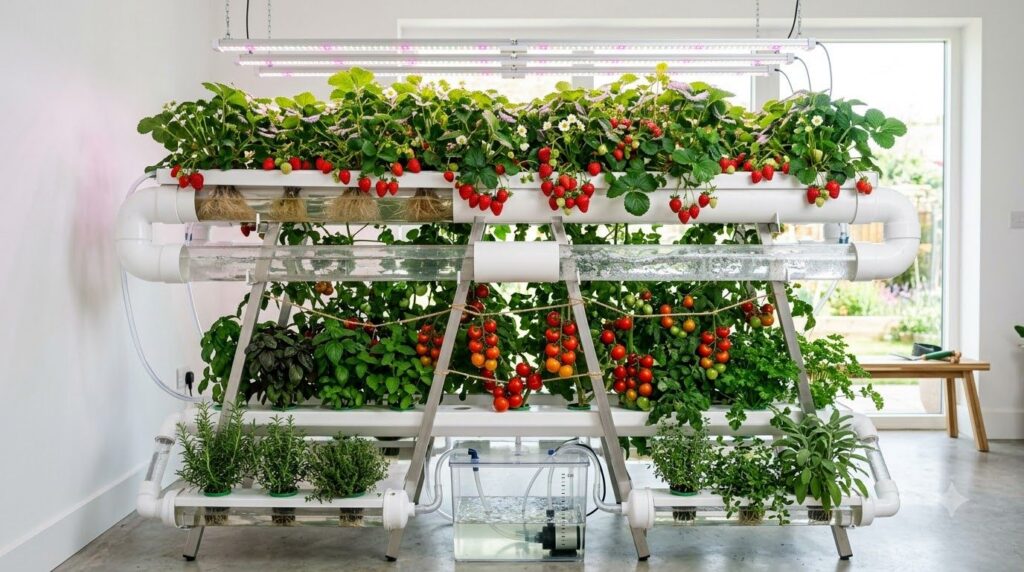
Benefits of Hydroponic Fruit Growing:
- Space-Saving: Ideal for small apartments, patios, or even indoors.
- Faster Growth: Plants often grow more quickly due to direct access to nutrients.
- Water Conservation: Hydroponic systems use significantly less water than traditional gardening.
- Pest and Disease Reduction: Soil-borne pests and diseases are largely eliminated.
- Year-Round Harvests: Grow your favorite fruits regardless of the season.
- Precise Nutrition: You control exactly what nutrients your plants receive, optimizing growth and flavor.
Best Fruits for Hydroponic Beginners
While almost any fruit can be grown hydroponically, some are easier for beginners to start with:
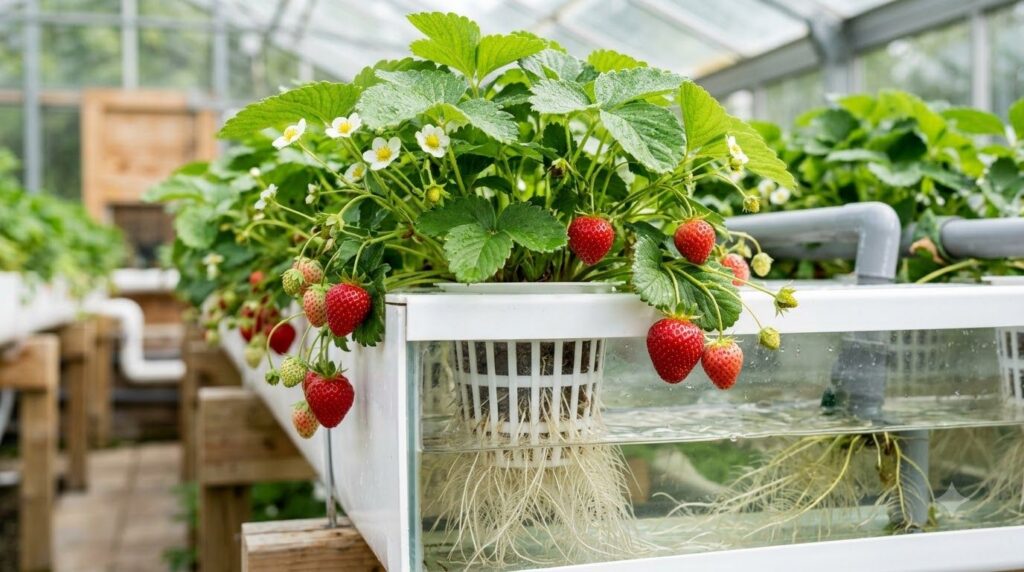
- Strawberries: A classic hydroponic choice, known for prolific yields and delicious fruit.
- Tomatoes: (Botanically a fruit!) Cherry and smaller indeterminate varieties thrive in hydroponic systems.
- Cucumbers: Another fruit often treated as a vegetable, cucumbers grow very well hydroponically. Bush varieties are easier to manage in smaller spaces.
- Bell Peppers: Similar to tomatoes, peppers adapt wonderfully to hydroponic cultivation.
- Blueberries: Require specific pH levels but can be very rewarding once established.
Getting Started: Your Basic Hydroponic Setup
You don’t need a complex system to start. Here’s what you’ll typically need:
1. The System Type
- Deep Water Culture (DWC): One of the simplest. Plants sit in net pots with their roots submerged in a nutrient solution. An air pump and air stone keep the water oxygenated. Great for beginners!
- Nutrient Film Technique (NFT): A thin film of nutrient solution flows over the roots. More advanced but very efficient.
- Wick Systems: Even simpler, using a wick to draw nutrient solution up to the growing medium. Good for smaller plants.
2. Essential Components
- Reservoir: A light-proof container to hold your nutrient solution.
- Growing Medium: Rockwool, coco coir, perlite, or hydroton (clay pebbles) provide support.
- Net Pots: To hold your plants and growing medium in the system.
- Nutrient Solution: Specifically formulated for hydroponics, with macro and micronutrients.
- pH Testing Kit: Crucial for monitoring and adjusting the pH of your solution (most fruits prefer a slightly acidic pH, usually 5.5-6.5).
- Grow Lights: Essential if growing indoors without sufficient natural sunlight. LED grow lights are energy-efficient and effective.
- Air Pump and Air Stone (for DWC): To oxygenate the water and prevent root rot.
Your Hydroponic Fruit Growing Steps
1. Choose Your Fruit and System
Select a fruit suitable for beginners and a system that fits your space and budget. DWC is an excellent starting point.
2. Prepare Your Seedlings or Cuttings
Start your seeds in a propagation cube (like rockwool) or use healthy cuttings. Once they have a few true leaves and a small root system, they’re ready for the hydroponic system.
3. Mix Your Nutrient Solution
Follow the instructions on your hydroponic nutrient package carefully. Use purified or filtered water to avoid introducing unwanted minerals.
4. Check and Adjust pH
Use your pH testing kit to ensure the solution is in the optimal range (typically 5.5-6.5 for most fruits). Adjust with pH Up or pH Down solutions as needed.
5. Set Up Your System
Place your seedlings in the net pots with your chosen growing medium, ensuring roots can reach the nutrient solution. Fill your reservoir, plug in your air pump (if using DWC), and position your grow lights.
6. Monitor and Maintain
- Replenish Water: As plants drink, the water level will drop. Top up with plain water to maintain nutrient concentration.
- Change Nutrient Solution: Replace the entire nutrient solution every 1-2 weeks to prevent nutrient imbalances and pathogen buildup.
- Monitor pH and EC/TDS: Regularly check pH and Electrical Conductivity (EC) or Total Dissolved Solids (TDS) to ensure optimal conditions.
- Pruning: Prune your fruit plants as they grow to encourage better airflow, light penetration, and fruit production.
- Pollination: If growing indoors, you’ll need to hand-pollinate flowering plants like tomatoes and peppers using a small brush or by gently shaking the plant.
Common Challenges and Solutions
- Nutrient Deficiencies: Yellowing leaves or stunted growth often indicate a nutrient issue. Check your pH and EC levels, and ensure you’re using a complete hydroponic nutrient solution.
- Algae Growth: Keep your reservoir light-proof to prevent algae, which competes with your plants for nutrients.
- Root Rot: Caused by lack of oxygen in the water. Ensure your air stone is working effectively in DWC systems, or that your NFT system has good flow.
- Pests: Though less common, pests can still appear. Use organic pest control methods if needed, like neem oil or insecticidal soap, keeping in mind they might affect your fruits.
Ready to Grow Your Own Hydroponic Fruit?
Hydroponic fruit growing is a rewarding journey that brings fresh, healthy produce right to your home. It might seem daunting at first, but with this cheat sheet, you have a solid foundation to begin. Remember, gardening is all about learning and experimenting, so have fun with it!
Share your hydroponic fruit growing experiences with us! What fruits are you excited to grow?