Are you dreaming of a garden overflowing with fresh vegetables, vibrant flowers, and succulent fruits? Every gardener aspires to a bountiful harvest, and while sunlight, water, and good soil are crucial, there’s one secret weapon often overlooked: pruning! Far from being a daunting task, proper pruning is an art that can transform your garden, leading to healthier plants and significantly larger yields.
At Garden – L. Quyên, we believe gardening should be simple, rewarding, and inspiring. That’s why we’re sharing the essential pruning techniques to help you unlock the full potential of your plants and enjoy an abundant harvest year after year. Let’s dive in!
Why Pruning is Your Garden’s Best Friend
Pruning isn’t just about tidying up; it’s a vital practice that benefits your plants in multiple ways:
- Increased Yield: By removing unproductive growth, plants can redirect energy to developing more fruits or flowers.
- Improved Air Circulation: Thinning out dense foliage allows better airflow, reducing the risk of fungal diseases.
- Enhanced Light Penetration: More sunlight can reach inner branches and developing fruits, promoting even ripening and stronger growth.
- Pest and Disease Control: Pruning off dead, damaged, or diseased branches eliminates potential entry points for pests and stops the spread of infections.
- Structural Strength and Shape: Proper pruning can encourage a stronger plant structure, preventing breakage and creating a more aesthetically pleasing form.
- Rejuvenation: For older plants, strategic pruning can stimulate new, vigorous growth.
Essential Pruning Techniques for Every Gardener
Mastering a few basic techniques will make a world of difference:
1. The Three D’s: Dead, Damaged, and Diseased
This is the golden rule of pruning. Always start by removing any branches or leaves that are:
- Dead: Brown, brittle, and lifeless.
- Damaged: Broken, cracked, or withered from stress.
- Diseased: Showing signs of infection like spots, mildew, or cankers.
These parts drain energy from the plant and can harbor pests or spread disease. Make sure to cut back to healthy wood.
2. Thinning Cuts vs. Heading Cuts
- Thinning Cuts: Involve removing an entire branch back to its point of origin (main stem, another branch, or ground level). This opens up the plant, improves air circulation, and reduces overall size without stimulating excessive new growth. Use thinning cuts for overcrowded areas.
- Heading Cuts (Pinching Back): Involve cutting back a branch or stem to a bud, side shoot, or specific length. This encourages bushier growth and can stimulate the development of flowers or fruits on side branches. Common for vegetables like tomatoes or herbs to encourage branching.
3. Removing Suckers and Water Sprouts
- Suckers: These are vigorous shoots that emerge from the base of a plant or its rootstock. They compete for nutrients and energy that should go to the main plant.
- Water Sprouts: Similar to suckers, but they grow rapidly and vertically from branches, often appearing after heavy pruning. Both should be removed as they are generally unproductive.
When to Prune for Maximum Harvest
The timing of pruning is almost as important as the technique itself:
- Dormant Season (Late Winter/Early Spring): This is the ideal time for heavy pruning of most woody plants, fruit trees, and many shrubs. Without leaves, you can clearly see the plant’s structure, and the plant is less stressed by the loss of foliage.
- Growing Season (Spring/Summer): Light pruning, deadheading (removing spent flowers to encourage new blooms), and pinching back (for bushier growth on annuals or herbs) are best done during this time. For fruiting plants, some summer pruning can improve fruit quality and ripeness.
- Avoid Late Summer/Early Fall: Pruning too late in the season can stimulate tender new growth that won’t have time to harden off before winter frosts, making it vulnerable to damage.
Pruning Specific Plants for Abundant Yields
Vegetables
- Tomatoes: Pinch off suckers (shoots growing in the ‘V’ between the main stem and a branch) to direct energy into fruit production.
- Peppers: Pinch back the main stem early on to encourage bushier growth and more fruit. Remove any leaves shading ripening peppers.
- Squash/Cucumbers: Train them on trellises and prune back excessive foliage to improve air circulation and sunlight exposure for developing fruits.
Fruit Trees and Berries
- Apple/Pear Trees: Prune in late winter to remove crossing branches, water sprouts, and to open up the canopy for better light penetration.
- Berry Bushes (Raspberries, Blueberries): Prune after harvest to remove old, fruited canes and encourage new, productive growth for the following year.
Flowering Plants
- Roses: Prune in late winter to shape the plant and remove dead or weak canes. Deadhead regularly during the blooming season to encourage more flowers.
- Perennials: Deadhead spent flowers to prolong blooming and prevent self-seeding (if desired). Some can be cut back hard after their first flush to encourage a second bloom.
Tools of the Trade
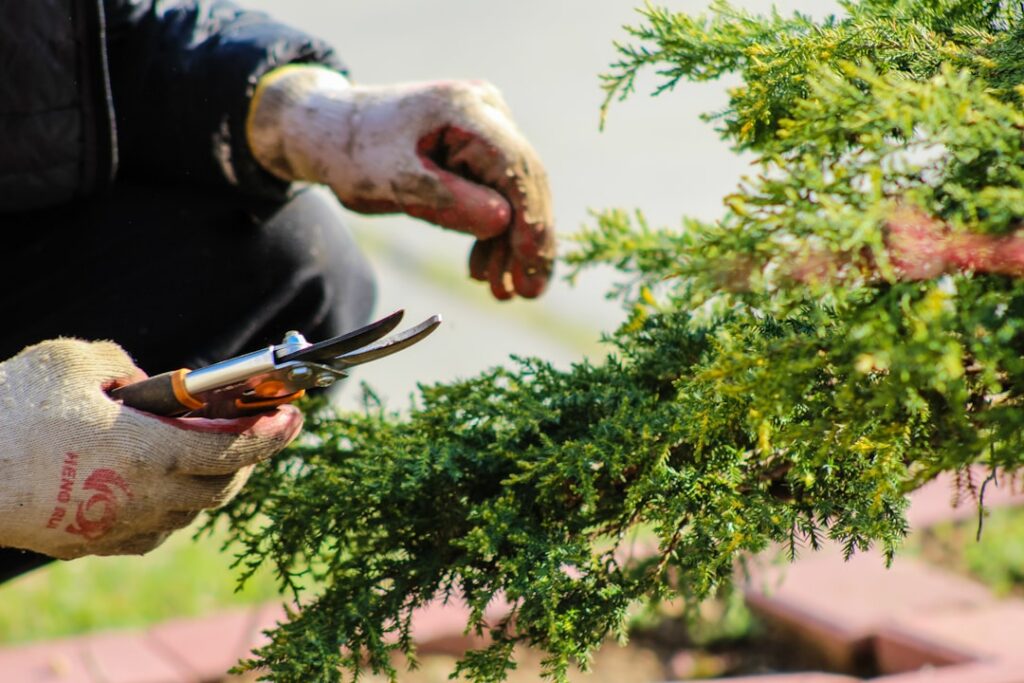
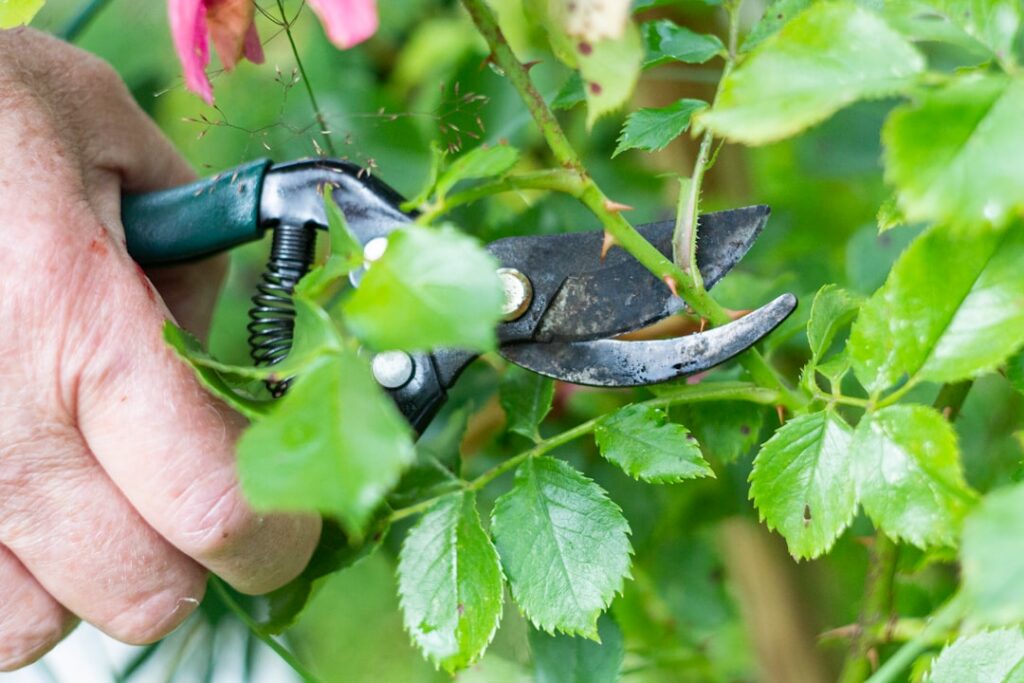
Always use clean, sharp pruning tools to make clean cuts that heal quickly. Dull tools can crush stems, leaving jagged wounds susceptible to disease.
- Hand Pruners: For smaller stems (up to 3/4 inch).
- Loppers: For thicker branches (up to 1.5-2 inches).
- Pruning Saw: For larger branches.
- Sterilizing Wipes: Clean your tools between plants, especially if you’re pruning diseased material.
Embrace the art of pruning, and watch your garden flourish. It’s a rewarding practice that ensures not only a visually stunning garden but also a generous harvest that will bring joy to your table.
Share Your Pruning Successes!
Do you have any favorite pruning tips or success stories from your own garden? We’d love to hear them! Share your experiences in the comments below or tag us on social media. Happy gardening!